
European leaders have strongly defended Spain after reports emerged suggesting the United States could consider punitive measures over Madrid’s refusal to support the US-Israel military campaign against Iran.
The controversy follows a leaked Pentagon-linked email indicating that Washington might explore options to sideline Spain within NATO, including restricting its participation in key roles. However, experts note that NATO has no formal mechanism to expel a member state, and any such action would require unanimous agreement among all allies.
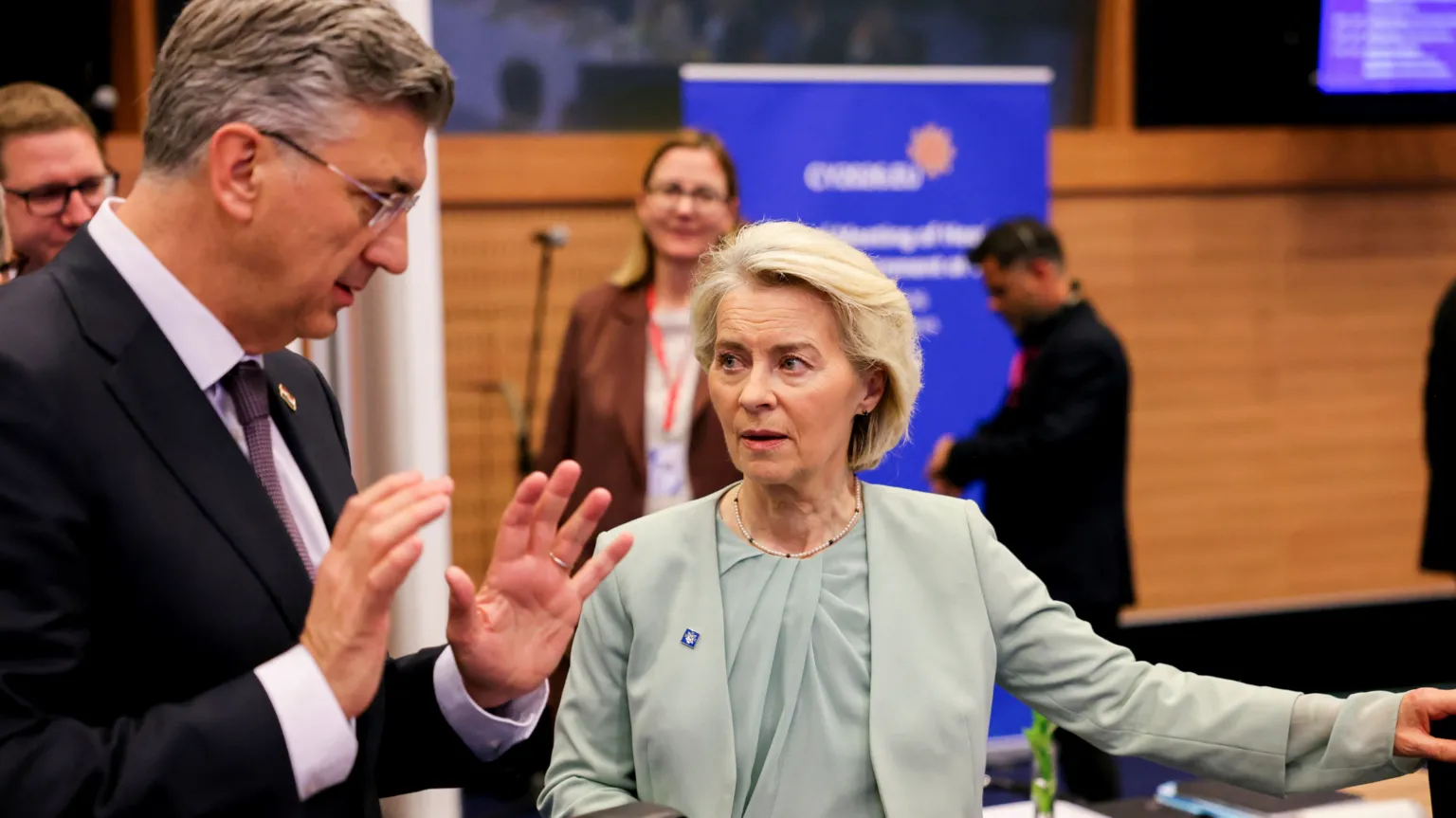
Spain’s Prime Minister Pedro Sánchez dismissed concerns, insisting his country remains committed to its NATO obligations. Speaking at a European leaders’ summit in Cyprus, he emphasized that official policies—not leaked communications—guide Spain’s actions.
Support for Spain was swift across Europe. Dutch Prime Minister Rob Jetten reaffirmed that Spain remains a full NATO member, while German officials echoed similar sentiments, rejecting any suggestion of punitive measures.
Tensions reflect broader strains in transatlantic relations under US President Donald Trump, whose administration has taken a more unilateral approach to foreign policy. Italy’s Prime Minister Giorgia Meloni also criticized the growing divide, calling the situation “not at all positive,” despite previously being considered a close ally of Washington.
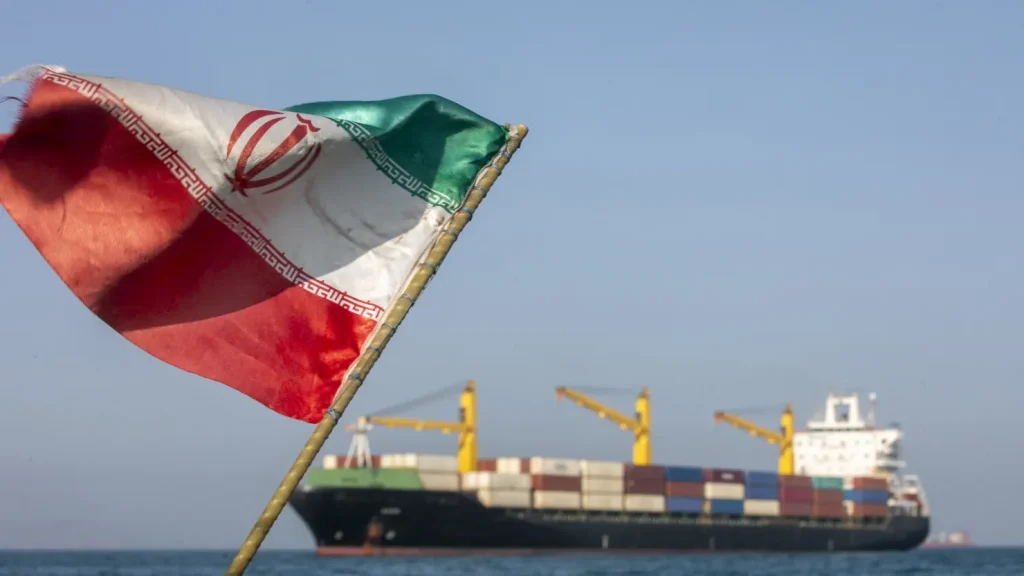
The disagreement largely stems from differing approaches to the Iran conflict. Spain has openly opposed US-led military actions, refusing to allow American forces to use its bases. This stance has reportedly angered Washington, which has also expressed frustration with Spain’s reluctance to increase defense spending.
The fallout has extended beyond Spain. The United Kingdom has also faced pressure, with tensions rising between Donald Trump and British Prime Minister Keir Starmer over military cooperation. Meanwhile, France’s President Emmanuel Macron has warned that US actions risk weakening NATO unity.
Analysts argue that the situation highlights a fundamental misunderstanding of NATO’s structure. Former NATO official Camille Grande stressed that the alliance operates on consensus, not unilateral decisions by any single country.
The dispute comes at a time of heightened global instability. Europe is already grappling with the ongoing war in Ukraine and an energy crisis linked to disruptions in the Strait of Hormuz, a critical route for global oil supplies.
Eastern European nations, particularly those near Russia, are increasingly concerned about security risks. Polish Prime Minister Donald Tusk recently questioned whether the United States would fully uphold its defense commitments under NATO’s Article 5 in the event of an attack.
With divisions widening and geopolitical pressures mounting, the future cohesion of NATO faces renewed scrutiny. While European allies remain committed to the alliance, growing disagreements with Washington suggest a more uncertain path ahead for transatlantic relations.