

Europe has been warned it may have “maybe six weeks of jet fuel left”, according to the head of the International Energy Agency (IEA), raising concerns over potential disruptions to air travel across the continent.
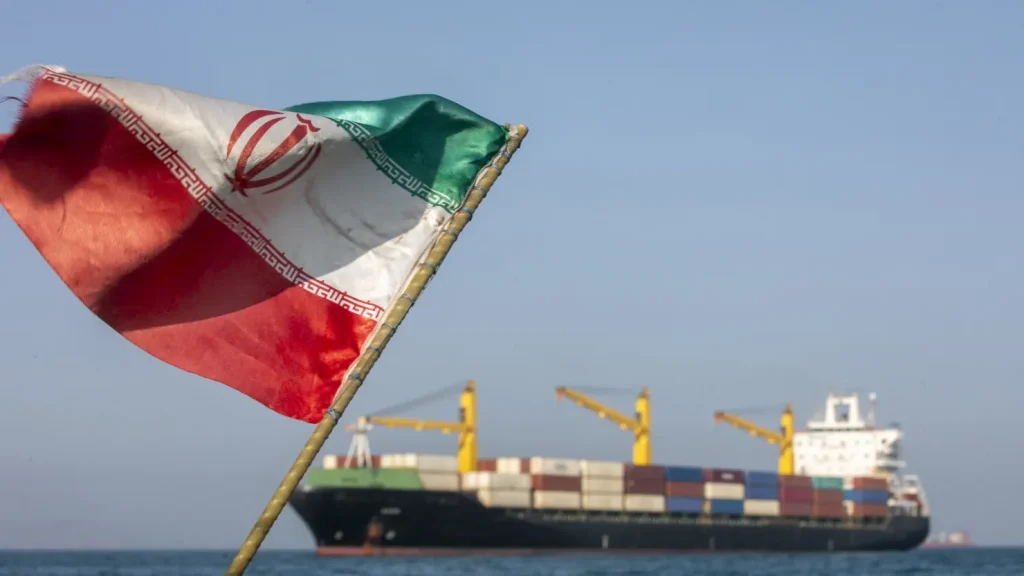
The warning comes as global jet fuel markets face pressure due to restricted supply routes from the Middle East, particularly through the Strait of Hormuz, which has been affected by geopolitical tensions. The disruption has pushed fuel prices sharply higher and created fears of shortages ahead of the peak summer travel season.
IEA executive director Fatih Birol said that if Europe is unable to replace at least half of its jet fuel imports from the Middle East, stocks could reach a critical point by June. He warned that this could eventually lead to flight cancellations at some airports.
The IEA noted that the Gulf region remains the largest global source of jet fuel exports. Refineries in major exporting countries such as South Korea, India and China also depend heavily on crude oil imports from the Middle East, further tightening global supply chains.
Analysts say Europe is now increasingly relying on alternative suppliers, particularly the United States and Nigeria, as it tries to offset reduced imports from the Gulf. However, even with increased US exports, the IEA warned this would only replace a little over half of lost supply.
In its report, the agency said that if Europe fails to secure sufficient replacement cargoes, “physical shortages may emerge at select airports, resulting in flight cancellations and demand destruction”. Even under more optimistic scenarios, risks of disruption could persist into August if supply gaps continue.
Industry experts say that even if Middle Eastern supply resumes soon, logistical delays could still lead to short-term shortages. Some major airports, including large hubs, would likely be prioritised over smaller ones if distribution becomes constrained.
The aviation sector has already started feeling pressure from rising fuel costs, which typically account for 20% to 40% of airline operating expenses. European jet fuel prices have surged significantly in recent weeks, hitting record highs earlier this month.
While the European Commission has said there is currently “no evidence of fuel shortages” in the EU, it has acknowledged that supply challenges could emerge in the near future. Coordination groups are monitoring the situation closely.
Airlines across Europe have begun adjusting operations in response to rising costs. Some carriers have reported increased fuel expenses, while others have started cancelling flights as a precautionary measure.
Despite concerns, industry groups say the situation remains fluid, with efforts underway to stabilise supply chains and secure alternative fuel imports in the coming weeks.