
Markets Edge Higher Amid Rising Oil and Middle East Tensions
Global markets showed mixed performance on Tuesday as Brent crude climbed above $110 per barrel amid heightened tensions in the Middle East over U.S. President Donald Trump’s looming deadline for a deal with Iran.
Investors remain on edge following the outbreak of a U.S.-Israeli conflict with Tehran in late February, which prompted Iran to effectively close the strategically vital Strait of Hormuz, a key transit route for about a fifth of the world’s oil and natural gas supply.
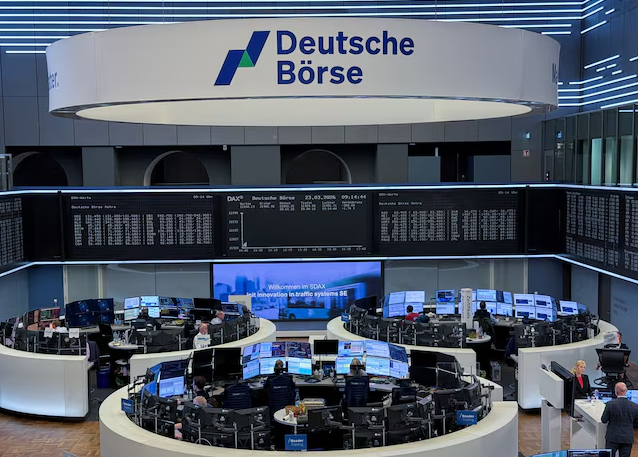
Brent crude futures rose 1% to $111.28 per barrel, marking a 50% increase since the conflict began. European markets were modestly higher, with the STOXX 600 index rising 0.6%, while U.S. futures remained flat as investors awaited clarity on whether Trump would carry out his threats to target Iranian infrastructure.
Asian market sentiment had initially been lifted by a strong quarterly profit forecast from Samsung Electronics, but concerns about rising energy prices and prolonged conflict quickly tempered optimism.
Market analysts describe the situation as highly uncertain. Kyle Rodda, senior markets analyst at Capital.com, noted: “We are back on a Trump-imposed countdown clock, and there’s no way to predict with any confidence what will happen. Traders are hedging risk or waiting for clarity.”
Iran has called for a lasting resolution rather than a temporary ceasefire and has resisted pressure to reopen the Strait of Hormuz. Trump warned Iran could be “taken out” if his deadline is not met, vowing to target power plants and bridges despite concerns over potential war crimes.
Vasu Menon, managing director of investment strategy at OCBC in Singapore, said: “Any follow-through on threats to target Iran’s power infrastructure would mark a significant escalation, raising the risk of retaliatory action that could further disrupt Gulf energy facilities.”
The ongoing conflict has raised stagflation concerns, combining rising inflation with slower economic growth. Recent U.S. data showed a slowdown in services sector growth in March, alongside the highest increase in input prices for businesses in over 13 years. Investors are now reassessing expectations for Federal Reserve rate cuts this year.
In currency markets, the euro remained steady at $1.1535, while the dollar index held near recent highs at 100.03. The Japanese yen traded at 159.74 per U.S. dollar, close to the critical 160 level. Gold prices gained 0.7%, reaching $4,680 per ounce as investors sought safe-haven assets.
With U.S. inflation data due on Friday, investor focus will remain on energy prices, geopolitical developments, and Trump’s Iran deadline in the coming days.