
The upcoming sequel to the iconic 2006 film The Devil Wears Prada is already shaping up to be one of the most anticipated releases of 2026. However, early promotional campaigns for The Devil Wears Prada 2 have sparked debate over whether the film has lost the sharp satire that made the original such a cultural phenomenon.
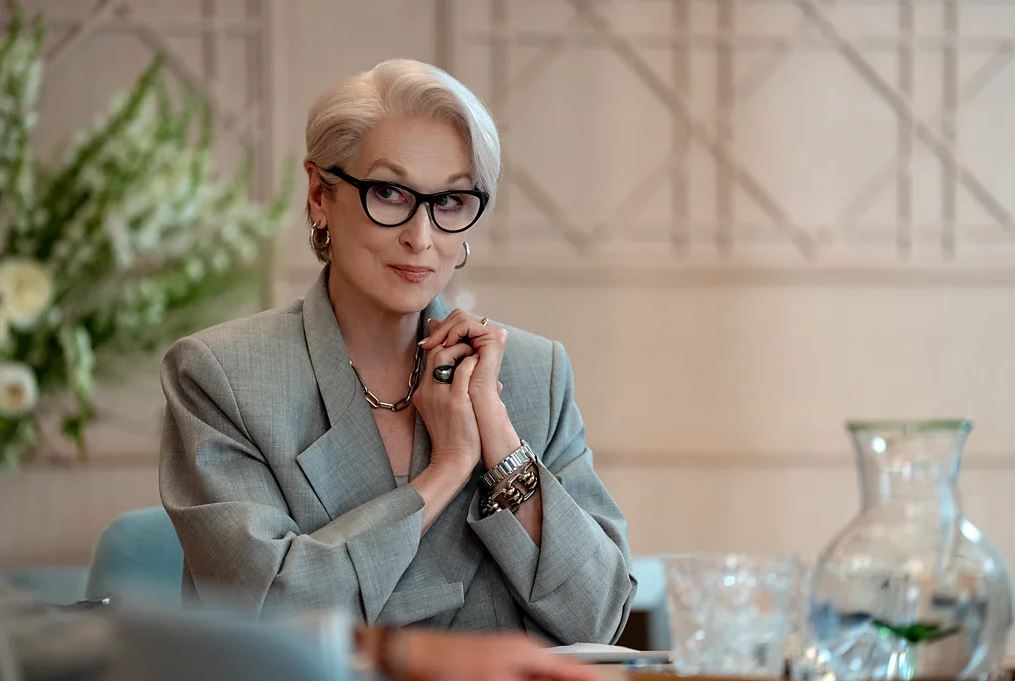
The film famously starred Meryl Streep as Miranda Priestly, a cold and demanding fashion editor inspired by Anna Wintour, alongside Anne Hathaway and Emily Blunt. Streep’s portrayal of the ruthless boss became one of the most memorable characters in modern cinema, praised for its biting humor and realism.
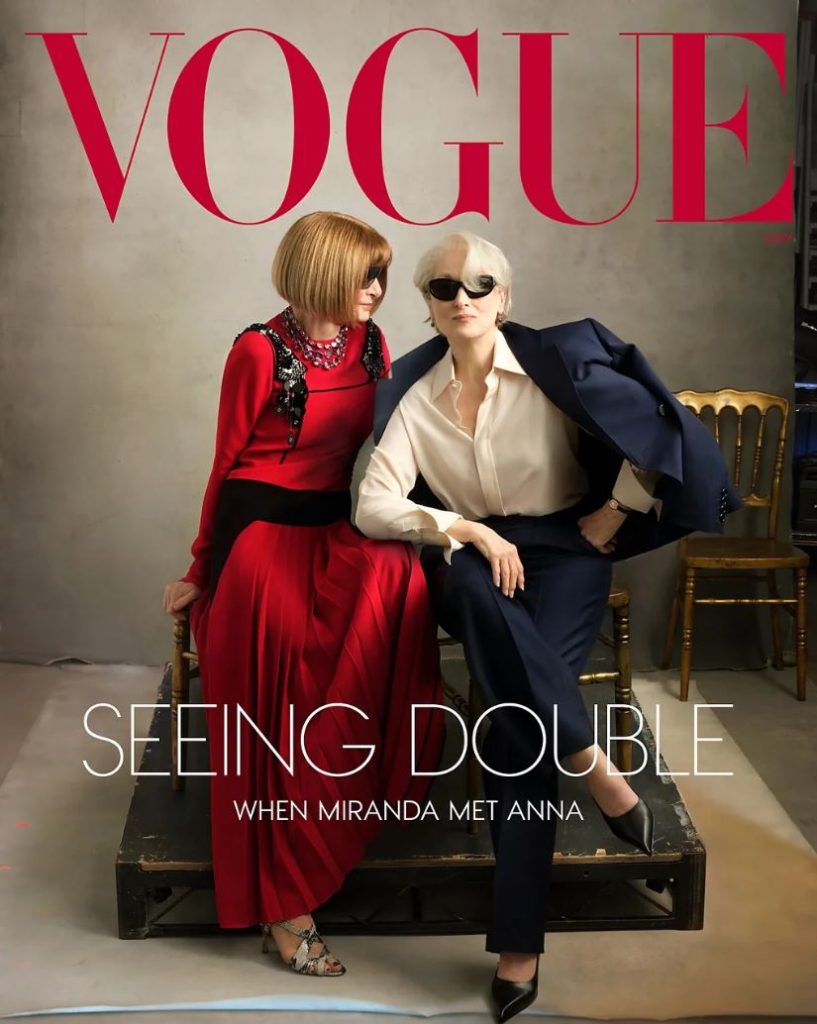
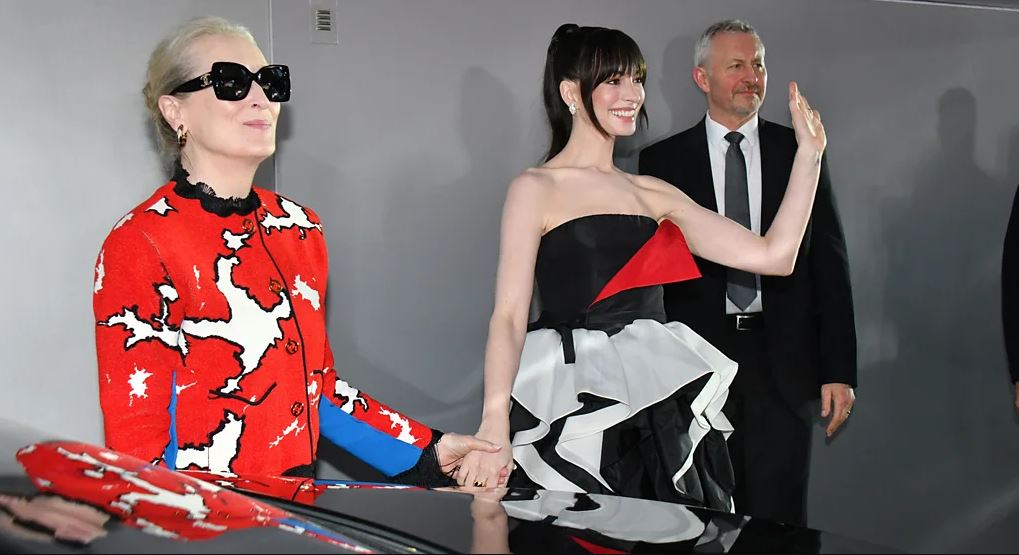
In recent months, promotional events have blurred the line between fiction and reality. During a fashion show hosted by Dolce & Gabbana in Milan, Streep and Stanley Tucci appeared in character, reigniting excitement among fans. Adding to the spectacle, Streep—dressed as Miranda—posed alongside Anna Wintour, further cementing the real-life inspiration behind the character.
However, what began as a clever marketing move has drawn mixed reactions. Critics argue that the campaign has become overly reliant on nostalgia and celebrity crossover moments, potentially diluting the original film’s sharp critique of the fashion industry.
The involvement of Anna Wintour herself—now serving as Chief Content Officer at Condé Nast—has been particularly notable. Unlike during the original film’s release, when much of the fashion industry distanced itself, Wintour has actively engaged with the sequel’s promotion, including joint interviews and appearances.
This shift has led some to question whether Miranda Priestly’s character will retain her famously “devilish” edge. Early trailers and promotional material suggest a more nostalgic tone, focusing on the reunion of characters rather than the biting workplace satire that defined the first film.
Meanwhile, the fashion world appears to have fully embraced the sequel. Major brands such as Balenciaga and Dior are featured prominently, reflecting the film’s growing role as a platform for high-end fashion promotion.
Speaking during a recent appearance, Streep defended her character, suggesting that Miranda’s sharp remarks were always intended to carry humor. However, audiences and critics remain divided, with some questioning whether the character’s harshness—central to the original’s appeal—has been softened for modern audiences.
Ultimately, the success of The Devil Wears Prada 2 may depend on whether it can balance nostalgia with the bold storytelling that made its predecessor iconic. For now, one question lingers: has the devil truly lost her bite?