
Hegseth Claims Iran War Legal Deadline “Paused” Amid Ceasefire, Sparks Constitutional Debate in US
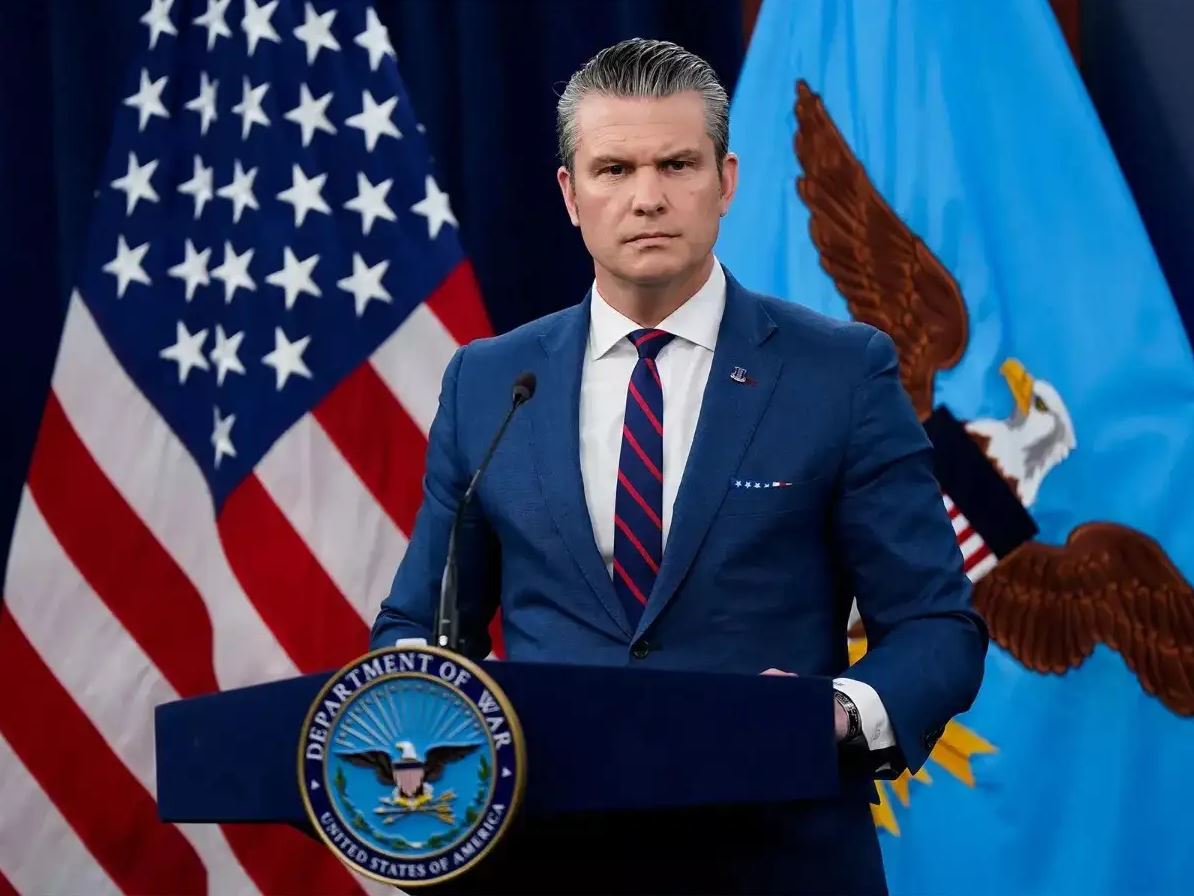
US Defence Secretary Pete Hegseth has stated that the 60-day congressional deadline requiring approval for continued US military involvement against Iran has been “paused” due to an ongoing ceasefire, igniting a legal and political dispute in Washington.
Hegseth made the comments while responding to questions from US senators on Thursday, arguing that the temporary ceasefire between the United States, Israel, and Iran halts the legal countdown under the War Powers Resolution.
“We are in a ceasefire right now, which our understanding means the 60-day clock pauses or stops in a ceasefire,” Hegseth told lawmakers.

Legal Challenge Over War Powers Deadline
Under the US War Powers Resolution, presidents must terminate the use of armed forces within 60 days of notifying Congress of military action unless lawmakers authorize continued operations or grant an extension.
Friday marks 60 days since the Trump administration formally notified Congress on 2 March regarding military strikes linked to the Iran conflict.
However, Senator Tim Kaine and other lawmakers strongly disputed the administration’s interpretation. Kaine argued that the law does not allow the 60-day clock to pause during a ceasefire, warning that the deadline may already have expired.
“I do not believe the statute would support that,” Kaine said, suggesting the situation could create a significant constitutional issue for the administration.
The War Powers Resolution, passed in 1973 during the Vietnam War era, was designed to limit a president’s ability to engage in prolonged military conflicts without congressional approval.
Ceasefire and Ongoing Tensions
A senior administration official stated that hostilities with Iran had “terminated,” noting that a ceasefire has been in place since early April and there has been no exchange of fire since 7 April.
The official also confirmed that the initial two-week ceasefire had been extended, suggesting a broader de-escalation of direct conflict.
Despite the ceasefire, diplomatic negotiations remain unresolved. Reports indicate that Iran has submitted a proposal for talks via Pakistani intermediaries, although details have not been publicly confirmed and it remains unclear whether the United States has formally received it.
Economic Impact and Regional Developments
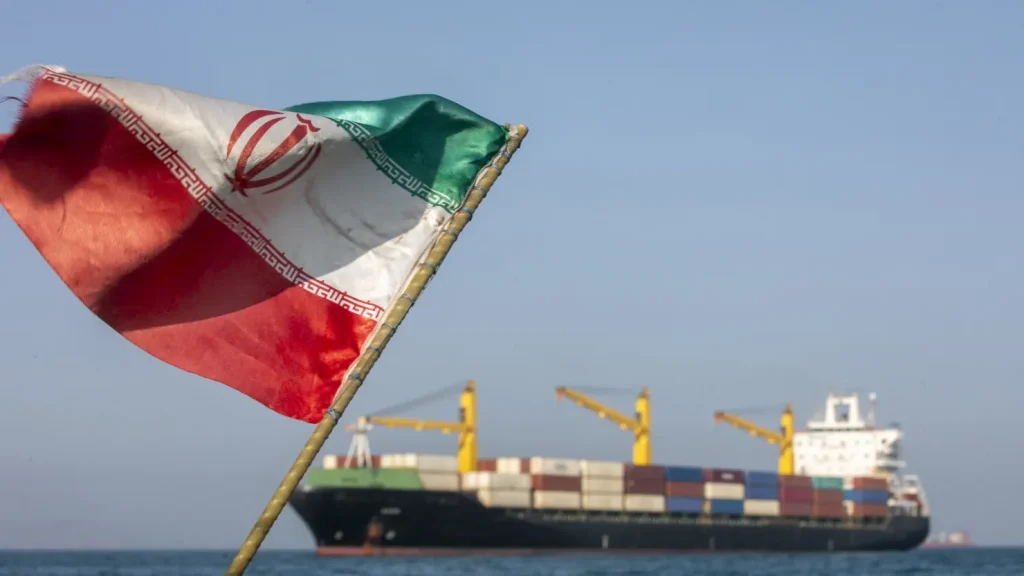
Tensions in the region have already had global economic consequences. Oil prices surged after Iran effectively closed the Strait of Hormuz, a critical global shipping route. However, prices eased following reports of renewed diplomatic engagement.
The shipping chokepoint remains disrupted, continuing to affect global energy markets and trade routes.
Legal Uncertainty Continues
Experts remain divided over the administration’s interpretation of the War Powers Resolution, particularly whether a ceasefire legally suspends the 60-day requirement.
The White House maintains that the conditions for continued military action no longer constitute active “hostilities,” while critics argue that the legal clock continues to run regardless of ceasefire status.
The dispute sets up a potential confrontation between the executive branch and Congress over war-making authority in the coming days.