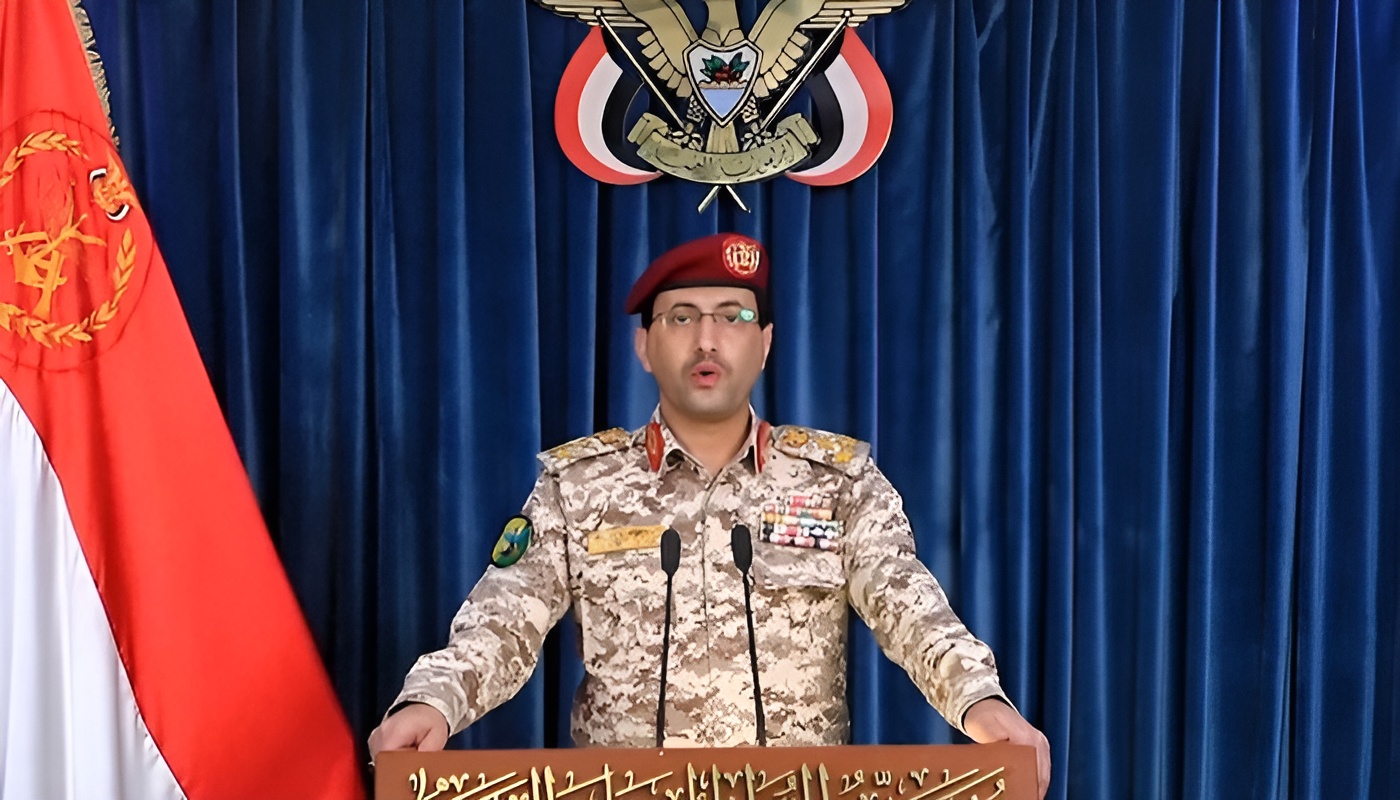

KATHMANDU / WASHINGTON / TEHRAN: Yemen’s Iran-aligned Houthi rebels launched missiles at Israel on Saturday, marking their first such attack since the start of the Iran war and raising fears of a broader regional escalation. No casualties or damage were reported.
Prior to the strike, U.S. Secretary of State Marco Rubio said Washington expected military operations to conclude within weeks. The Houthis, however, vowed to continue operations until what they called “aggression” on all fronts ceases.
Iranian President Masoud Pezeshkian spoke to Pakistan’s Prime Minister Shehbaz Sharif, whose government is hosting a meeting on Sunday with Turkish and Saudi foreign ministers to attempt to reduce regional tensions. Despite ongoing back-channel diplomacy, there is no immediate sign of a breakthrough, as the conflict—triggered by U.S. and Israeli strikes on Iran on February 28—continues to spread across the Middle East, killing thousands and severely disrupting global energy markets.

Military Strikes and Regional Escalation
Israel confirmed the missile fired from Yemen and reported multiple strikes in Tehran and Lebanon. In Lebanon, three journalists and a soldier were killed in an attack on a media vehicle linked to Iran-backed Hezbollah. Iran retaliated against Israel and Gulf states, hitting a Saudi air base and wounding 12 U.S. personnel, two seriously.
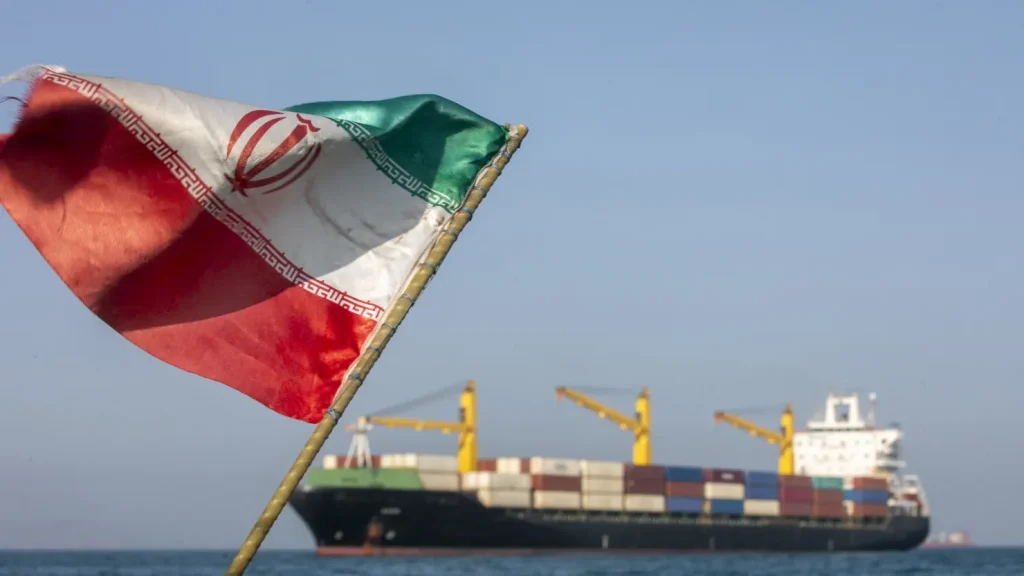
The Houthi attack underscores their ability to strike far beyond Yemen and threatens key shipping lanes, including potential risks to the Bab al-Mandab Strait, a critical conduit to the Suez Canal. The closure of the Strait of Hormuz, through which about one-fifth of the world’s oil and liquefied natural gas flows, has already caused global energy shocks.
U.S. Response and Deployment
Washington has deployed two contingents of thousands of Marines, including aboard an amphibious assault ship, and is preparing airborne troops for potential operations. Rubio emphasized that ground troops are not strictly necessary to achieve U.S. objectives but allow maximum flexibility in responding to emerging contingencies.
Financial markets have reacted sharply to the prolonged conflict. Brent crude oil prices have surged more than 50% since the war began. Diesel prices in California hit record averages, intensifying domestic political pressure on President Donald Trump.

Diplomacy Amid Escalating Tensions
Trump has threatened strikes on Iranian power stations and other infrastructure unless Tehran reopens the Strait of Hormuz. He has extended deadlines for compliance by another ten days to allow diplomacy a chance.
Pakistan, Egypt, and Turkey are relaying messages between the warring sides, though Tehran has indicated no direct negotiations with Washington are occurring. Iranian authorities have vowed to retaliate if economic or infrastructure centers are targeted further.
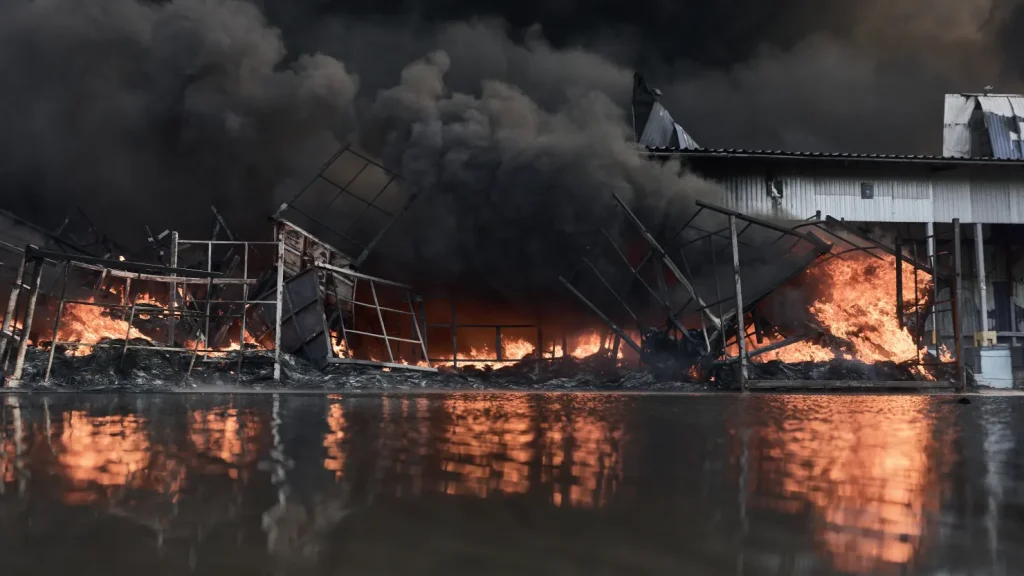
Iranian attacks have extended across the Gulf, striking Kuwait International Airport, Abu Dhabi’s Khalifa port, and Oman’s Salalah port. U.S.-Israeli airstrikes in Iran have hit residential areas and institutions, killing at least five people in Zanjan and targeting Tehran University of Science and Technology. Israel has also been hit, with Iranian missiles striking Eshtaol near Jerusalem, hospitalizing seven.

The unfolding events underscore the risk of a broader regional war, with the U.S. balancing military pressure, diplomatic efforts, and domestic political consequences amid escalating energy price shocks and global market volatility.