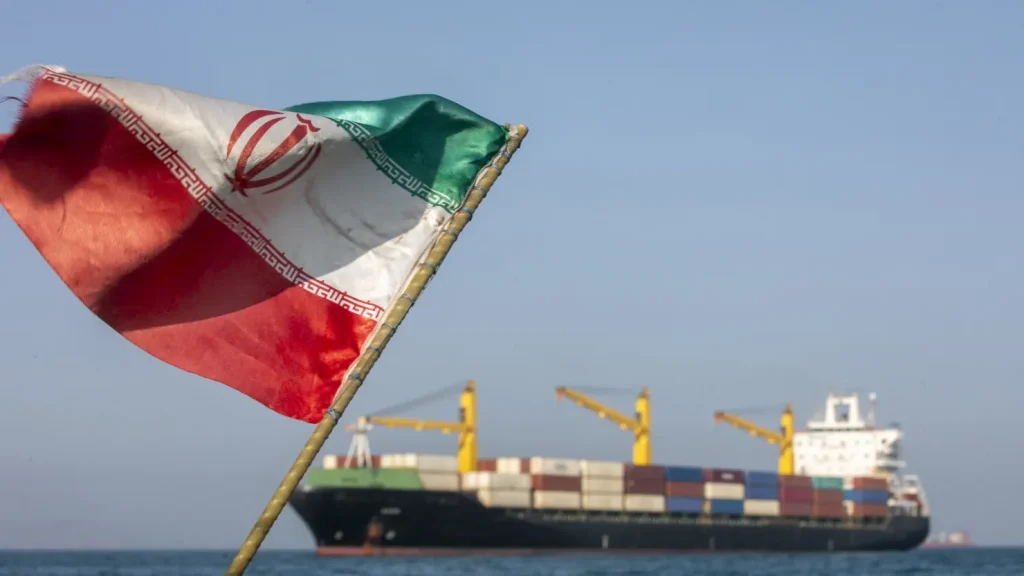


LONDON: Saudi Arabia provided a temporary relief to global oil markets by diverting millions of barrels of crude, normally shipped through the blocked Strait of Hormuz, to its Red Sea port of Yanbu earlier this month.
Over the past two weeks, as many as 4.6 million barrels per day were loaded onto vessels at Yanbu — more than three times the 2025 average, according to shipping data from Vortexa. While this is far short of the 15 million barrels the world is missing daily due to the Hormuz blockade, it offers a modest boost to supply.
However, the diversion faces new risks after Iran-backed Houthi militants in Yemen entered the conflict over the weekend, potentially threatening shipments through the Red Sea. Any disruption could push oil prices higher and worsen fuel shortages worldwide, experts say.
Houthi attacks on commercial vessels are not new. In late 2023, militants in Yemen began targeting ships passing through the Bab-el-Mandeb Strait, located at the southern tip of the Red Sea, in response to Israel’s war in Gaza. These attacks forced shipping companies to take longer routes, increasing fuel, insurance, and labor costs.
Over the first 28 days of March, crude oil shipments through Bab-el-Mandeb rose by 21% compared with February. Analysts warn that these vessels are now potential targets for renewed Houthi attacks, making the Red Sea a critical flashpoint for global oil supply.
Richard Bronze, co-founder of research firm Energy Aspects, said, “Anything that jeopardizes Saudi oil flows out of the Red Sea will put more upward pressure on global oil prices.”
The situation underscores the fragility of global oil markets amid ongoing conflicts in the Middle East, where alternative routes offer only partial relief from supply disruptions.