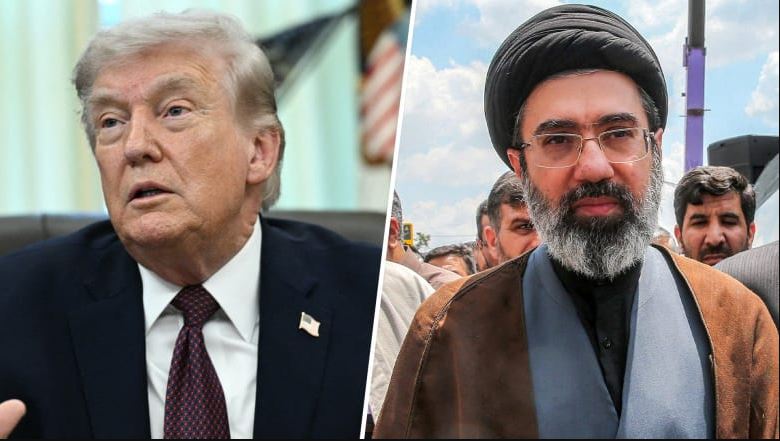

As tensions continue following weeks of conflict, both the United States and Iran appear to be moving toward a potential agreement—one that each side can frame domestically as a strategic victory.
Despite public rhetoric, analysts suggest there is little alternative to diplomacy. With a fragile ceasefire in place, ongoing backchannel efforts and formal talks indicate that both nations are seeking a way out of a costly and destabilizing conflict.
For US President Donald Trump, the urgency is increasingly political as well as economic. Rising inflation and fuel prices, along with growing discontent among his support base, have intensified pressure on the administration to deliver a tangible diplomatic success. While Trump has maintained that both sides are willing to negotiate, his shifting public positions have added uncertainty to the process.
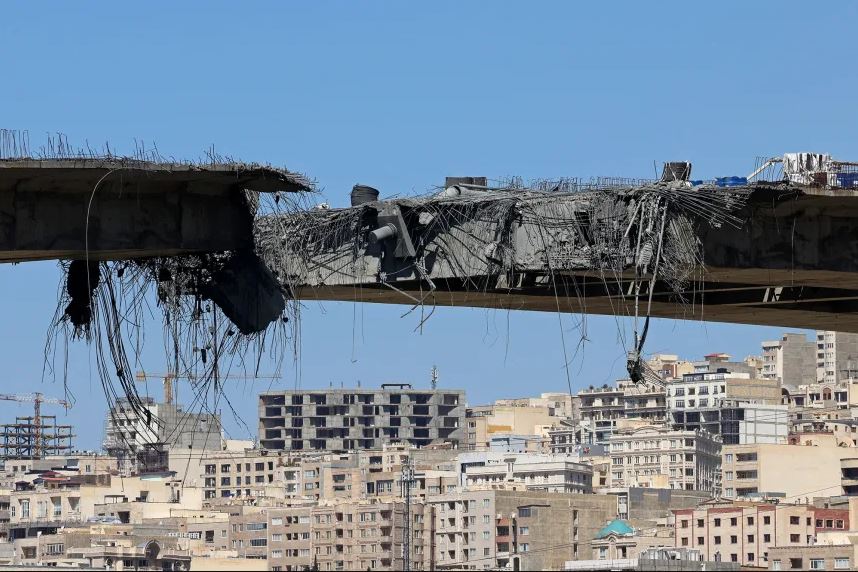
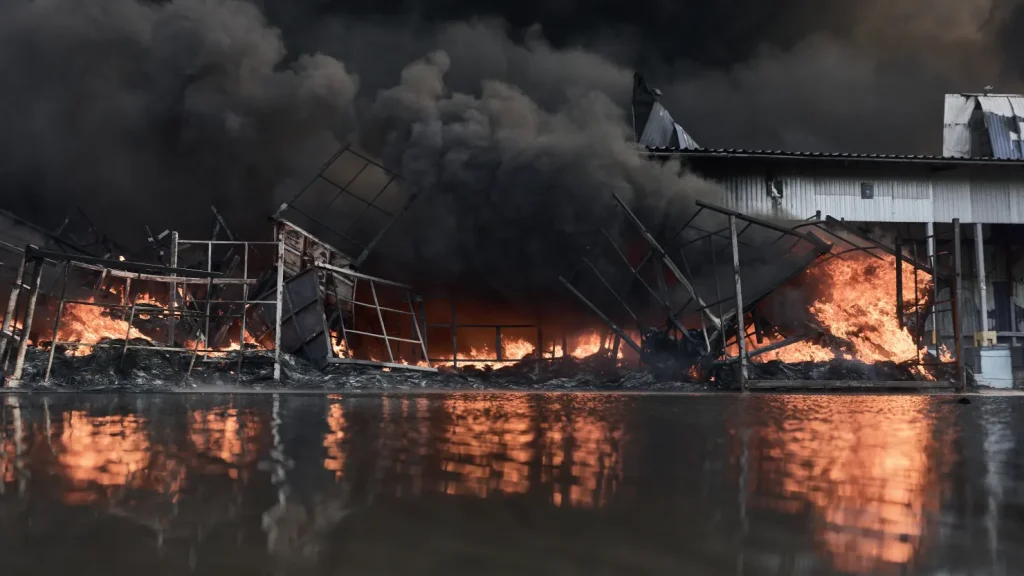
On the other hand, Iran faces mounting challenges of its own. Although it has projected resilience and defiance throughout the conflict, the reality on the ground reflects significant military and economic strain. Extensive airstrikes and infrastructure damage have weakened key institutions, including the Islamic Revolutionary Guard Corps, which is reportedly undergoing leadership disruptions.
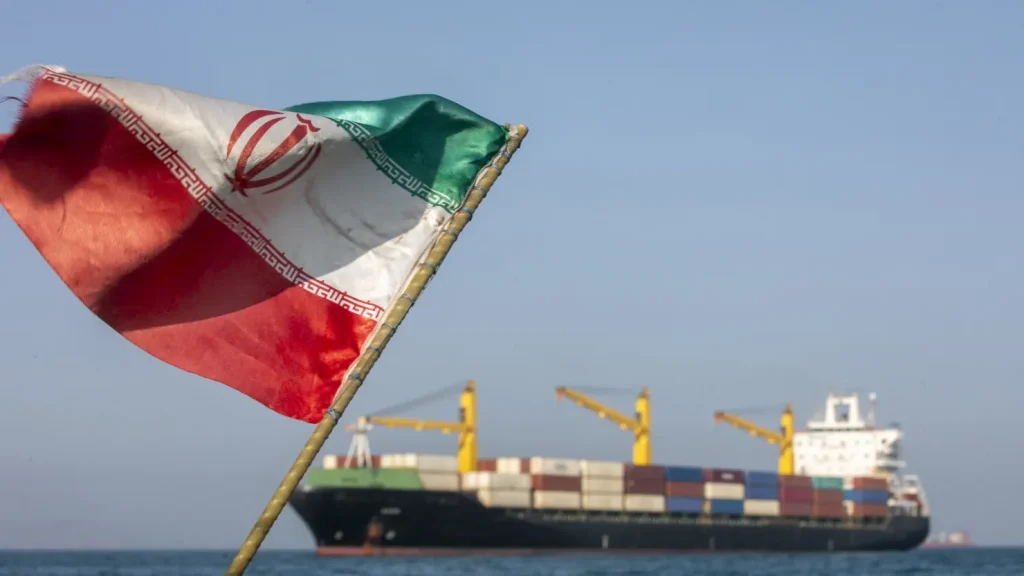
Economic pressure has further intensified following US measures, including a blockade targeting Iranian ports—an action aimed at limiting Tehran’s oil exports and straining its already fragile economy. Key partners such as China are also indirectly affected, increasing the broader geopolitical stakes.
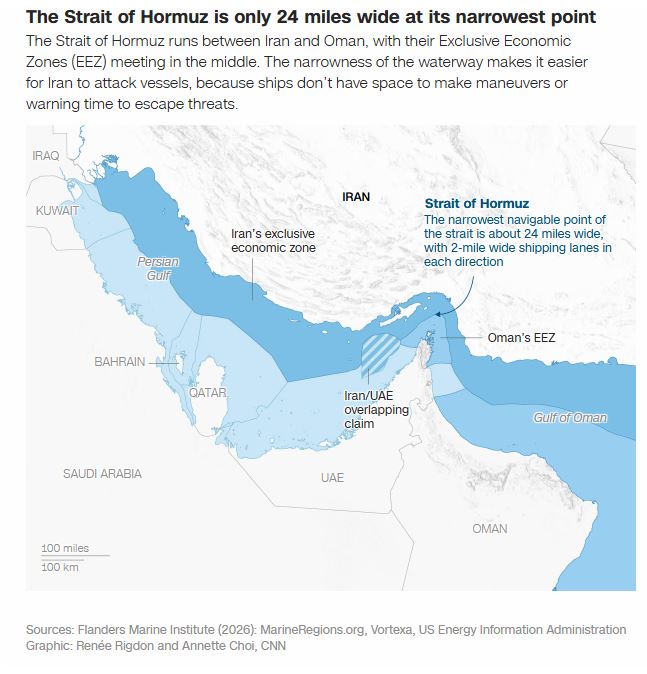
Recent negotiations, including extended talks facilitated in Islamabad, suggest that while differences remain, both sides are closer to agreement than public statements might indicate. A key area of convergence is the potential reopening of the Strait of Hormuz, a vital global oil route whose closure would have severe international consequences.
Another central issue is Iran’s nuclear programme. Discussions have focused on limiting uranium enrichment, with Iran reportedly proposing a five-year moratorium, while the US is seeking a significantly longer timeframe. Compromise options include international monitoring or involvement by the International Atomic Energy Agency to manage enriched material and ensure compliance.
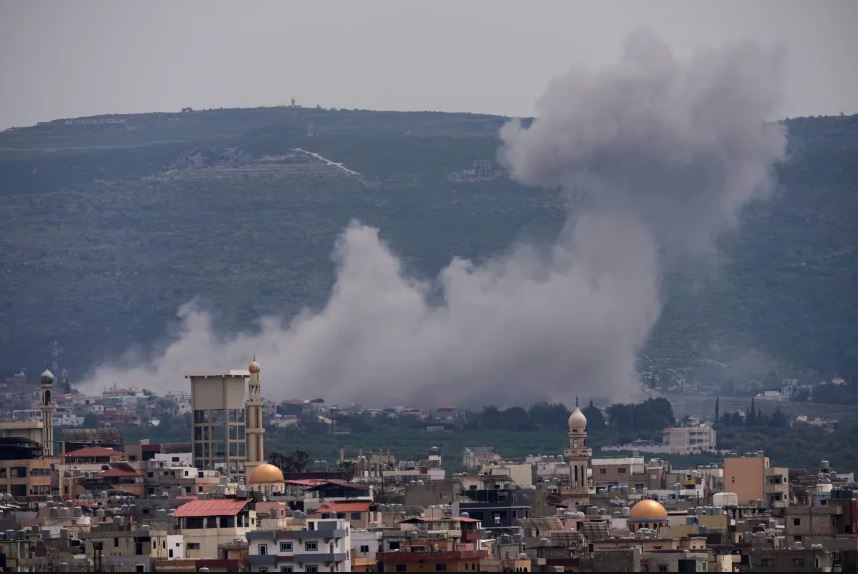
However, regional dynamics continue to complicate negotiations. Israel remains a critical factor, particularly concerning Iran-backed groups such as Hezbollah. Ongoing tensions in Lebanon and broader Middle East security concerns could influence the final shape of any agreement.
For both Washington and Tehran, the ultimate challenge lies not just in reaching a deal, but in presenting it as a victory to domestic audiences. Iran seeks to preserve its image of strength and deterrence, while the US administration aims to demonstrate that it has curtailed Iran’s nuclear ambitions more effectively than previous agreements, including the 2015 deal signed under Barack Obama.
While the path to agreement appears increasingly realistic, the long-term consequences remain uncertain. Even if a deal is reached, the conflict has already reshaped regional dynamics and hardened positions within Iran, where calls for stronger defense capabilities are likely to grow.
Ultimately, any agreement between the US and Iran will be as much about perception as substance—carefully crafted to allow both sides to claim success while stepping back from further escalation.