
Idaho Approves Controversial Bill Limiting Bathroom Access for Transgender People
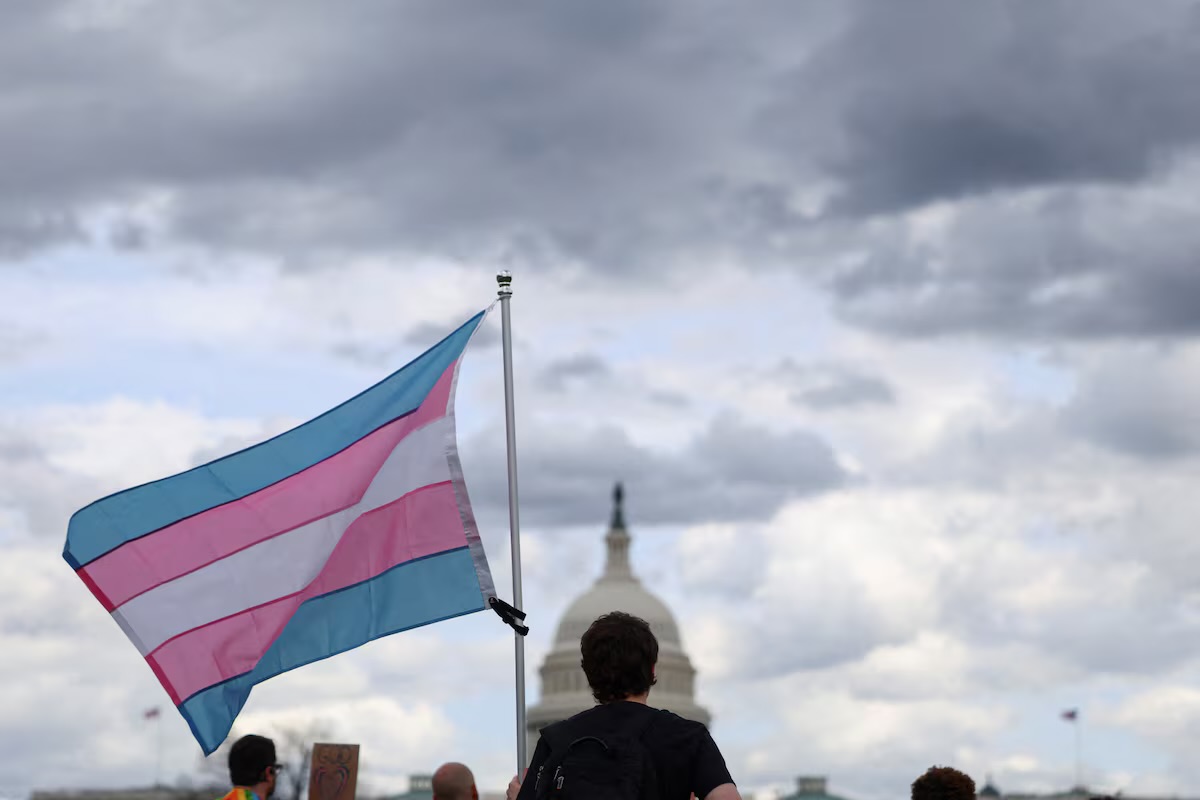
Lawmakers in Idaho have passed a contentious bill that would restrict individuals from using bathrooms and changing facilities that do not correspond to the gender assigned to them at birth, marking the latest development in ongoing debates over transgender rights in the United States.
The Republican-controlled legislature approved the measure on Friday, with the state Senate voting 28-7 in favor. The bill had already cleared the House of Representatives and is now expected to be signed into law by Governor Brad Little.
If enacted, the law would apply to public facilities in government buildings as well as private businesses such as restaurants and retail stores that provide public restrooms. Violations would carry legal consequences, with a first offense classified as a misdemeanor punishable by up to one year in jail, and repeat offenses within five years escalating to a felony with potential prison sentences of up to five years.
The legislation is part of a broader trend across the United States, where several states have introduced or enacted laws regulating bathroom access for transgender individuals. According to advocacy group Movement Advancement Project, around 20 states currently have some form of restriction in place.
Civil rights organizations have strongly criticized the measure. The American Civil Liberties Union condemned the bill, describing the proposed penalties as excessive and discriminatory, and urged the governor to veto the legislation.
The issue has gained further national prominence following actions by Donald Trump, who has introduced policies recognizing only two sexes—male and female—at the federal level, influencing ongoing policy debates across states.
Idaho has previously enacted related legislation, including a law allowing students to file lawsuits against schools if they encounter transgender individuals in bathrooms in violation of state rules.
As the bill awaits final approval, it is expected to face continued legal and political challenges from advocacy groups and civil rights organizations.