
IMF Presses Pakistan to End Petroleum Pricing Distortions Amid Subsidy Measures
International Monetary Fund has urged Pakistan to swiftly eliminate distortions in petroleum pricing, despite having tacitly accepted a Rs152 billion subsidy cap introduced by the federal government to cushion consumers from surging global oil prices.
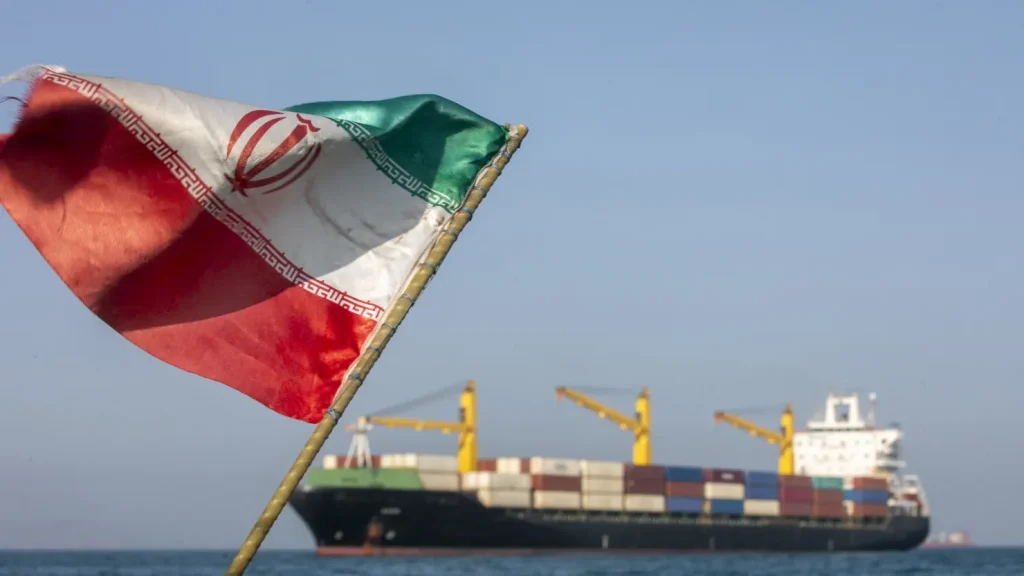
The subsidy was implemented in response to a historic spike in global energy prices triggered by geopolitical tensions, including the US-Israel conflict with Iran and disruptions in oil supply routes such as the Strait of Hormuz.
According to senior officials, the staff-level agreement (SLA) reached with the IMF on March 29 remains intact, and the Fund had prior knowledge of the subsidy. However, it continues to oppose blanket subsidies on petroleum products, advocating instead for targeted and market-based pricing mechanisms.
Finance Minister Muhammad Aurangzeb is expected to brief IMF officials during the upcoming spring meetings of the IMF and World Bank on how provinces are contributing to financing the subsidy through budget rationalisation.
The IMF’s primary concern lies in pricing imbalances, particularly in diesel. Currently, the petroleum development levy (PDL) on diesel stands at zero—far below the Rs80 per litre target set in the budget—while higher levies on petrol have been used to offset revenue losses.
This balancing mechanism has come under strain after the government recently reduced petrol prices by Rs80 per litre, shrinking the fiscal cushion and prompting a reassessment of revenue strategies.
Consumption patterns show petrol usage averaging 660,000 tonnes per month, slightly higher than diesel at 600,000 tonnes, though diesel demand is expected to rise during the ongoing harvest season.
Officials noted that while current fiscal indicators remain broadly aligned with IMF programme targets, significant adjustments will be required in the next fiscal year’s macroeconomic framework ahead of the 2026–27 federal budget.
Meanwhile, petroleum sector liabilities remain substantial. Price Differential Claims (PDCs) have exceeded Rs129 billion, although recent price adjustments have halted further accumulation. Payments to oil companies and refineries are being made with a 10% retention, pending audit verification.
The country’s fuel reserves currently stand at approximately 590,000 tonnes of petrol and 480,000 tonnes of diesel, providing coverage for about 26 days and 20 days, respectively. Additional shipments are in transit, but concerns persist over the balance of payments amid rising import costs.
Efforts to resume diesel imports from Kuwait are ongoing, though no shipments have commenced yet, despite Iran allowing Pakistani vessels to pass through the Strait of Hormuz.
Regulatory oversight has also been tightened. The Oil and Gas Regulatory Authority (OGRA) has implemented a mechanism to settle PDCs, retaining a portion of payments until verification by the Federal Board of Revenue (FBR) and third-party audits conducted by PricewaterhouseCoopers (PwC).
As Pakistan navigates rising global energy prices and IMF-backed reforms, the challenge remains to balance consumer relief with fiscal discipline, a key test ahead of upcoming budget negotiations.