
NEW DELHI: India has officially launched the world’s largest population census, marking its first such exercise in more than 15 years.
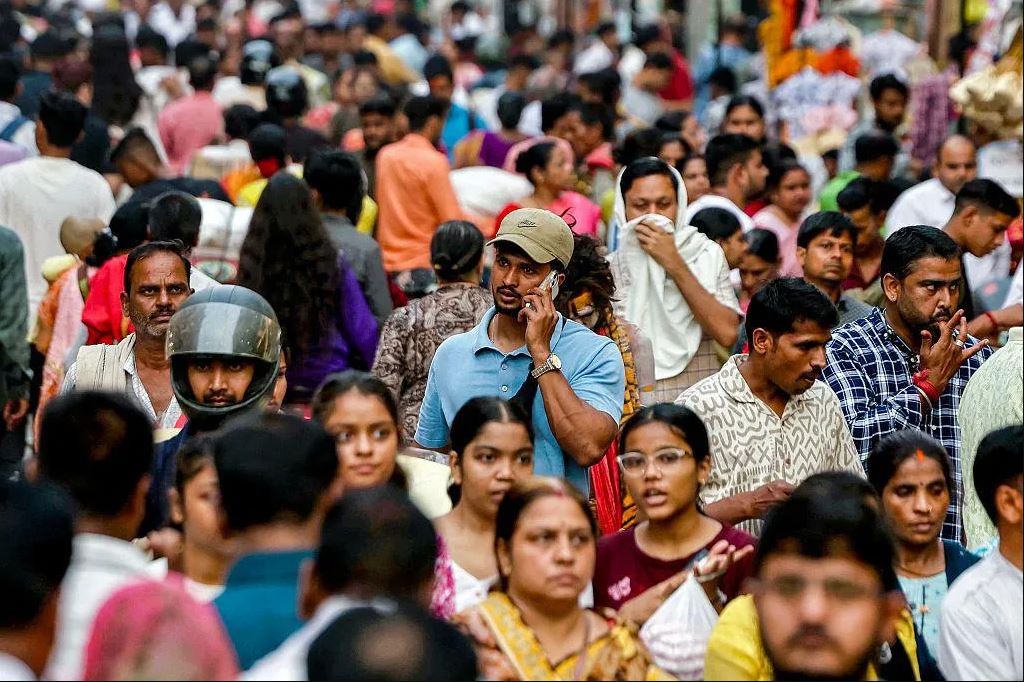
The census will involve counting over 1.4 billion people across the country, making it the biggest data collection effort of its kind globally. More than three million officials will take part in the process, which is expected to last about a year.
Citizens will be asked around 33 questions covering various aspects of their lives. These include details about housing, such as whether the home has a concrete or thatched roof, access to internet or mobile phones, and the number of people living in each household. Questions will also cover education, income sources, and family structure.
This is India’s 16th census and the eighth since independence in 1947. The exercise is considered extremely important because it helps the government plan policies, distribute welfare benefits, and decide political representation.
According to the United Nations Population Fund, India became the world’s most populous country in 2023, overtaking China. Despite its large population, India remains relatively young, with a median age of around 28 and nearly 70% of people in the working-age group.
The last census was conducted in 2011. The next one was due in 2021 but was delayed due to the COVID-19 pandemic and later postponed again because of administrative and election-related reasons. This marks the first time the census schedule has been disrupted.
The new census will cover all 36 states and union territories, including over 7,000 sub-districts, nearly 10,000 towns, and about 640,000 villages. Government staff such as teachers and local officials will go door-to-door to collect information.
For the first time, the census will be conducted digitally. Officials will use mobile apps to record and upload data, making the process faster and more efficient. In addition, people will also have the option to submit their details online through a self-enumeration system available in 16 languages.
The census will be completed in two main phases. The first phase, called the House Listing and Housing Census, will gather information about living conditions, housing quality, and household assets.
The second phase, known as population enumeration, is scheduled for February 2027. This phase will collect detailed data about individuals, including age, education, migration, and fertility.
A key feature of this census is the inclusion of caste data, which is a sensitive and widely debated topic in India. Supporters say it will help ensure fair distribution of resources, while critics worry it could increase social divisions.
Experts say the census will play a crucial role in shaping India’s future, helping the government understand population trends, economic conditions, and social needs.
Overall, this massive exercise is not just about counting people — it is about understanding how India lives, grows, and plans for the future.