
New Delhi — The Indian government has proposed sweeping changes to its digital regulations that could significantly expand oversight of news and political content shared on social media platforms.
The amendments, introduced by the Ministry of Electronics and Information Technology (MeitY), aim to extend existing IT rules — originally designed for digital news publishers — to include a broader group of users such as influencers, podcasters, and independent content creators.
Expanding Scope of Regulation
Under the proposed framework, individuals who are not officially registered publishers but share content related to “news and current affairs” could be required to follow a government-mandated code of ethics.
This move would effectively bring ordinary users, including journalists operating independently on platforms like YouTube, Facebook, and X, under tighter regulatory oversight.
Impact on Social Media Platforms
The proposed changes also place greater responsibility on social media companies. Platforms may be required to comply with government orders more strictly if they wish to retain “safe harbour” protection — a legal shield that prevents them from being held liable for user-generated content.
Failure to comply could expose platforms to legal risks, increasing pressure to remove or restrict content flagged by authorities.
Concerns Over Free Speech
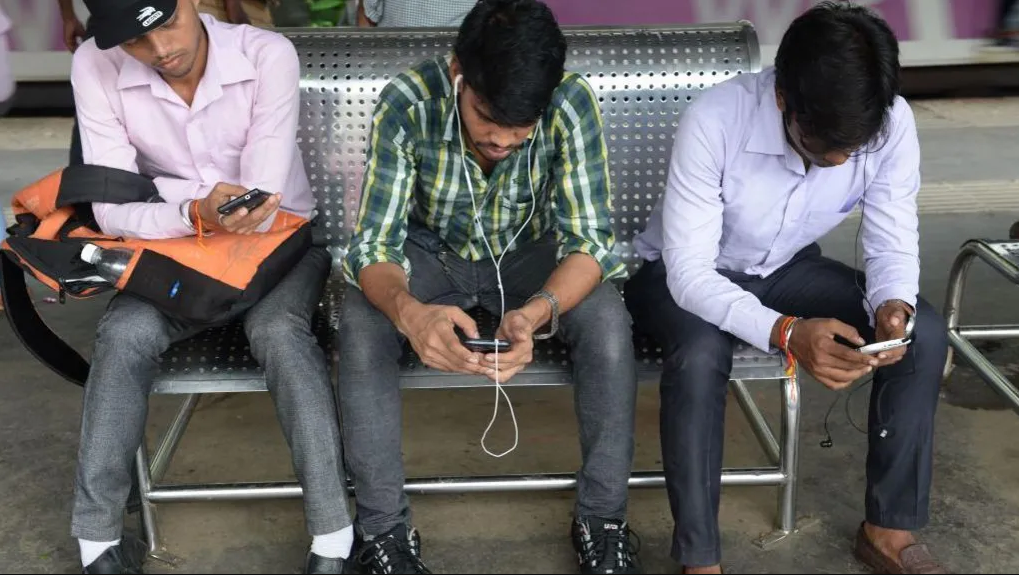
The proposal has raised alarms among digital rights activists and content creators, who warn it could lead to widespread censorship and suppression of dissent.
Prominent YouTuber Akash Banerjee argued that the rules may create a climate of fear, pushing creators toward self-censorship. Critics also point out that despite existing regulations, misinformation and hate speech remain prevalent, while critical voices are increasingly targeted.
Recent Content Blocking Cases
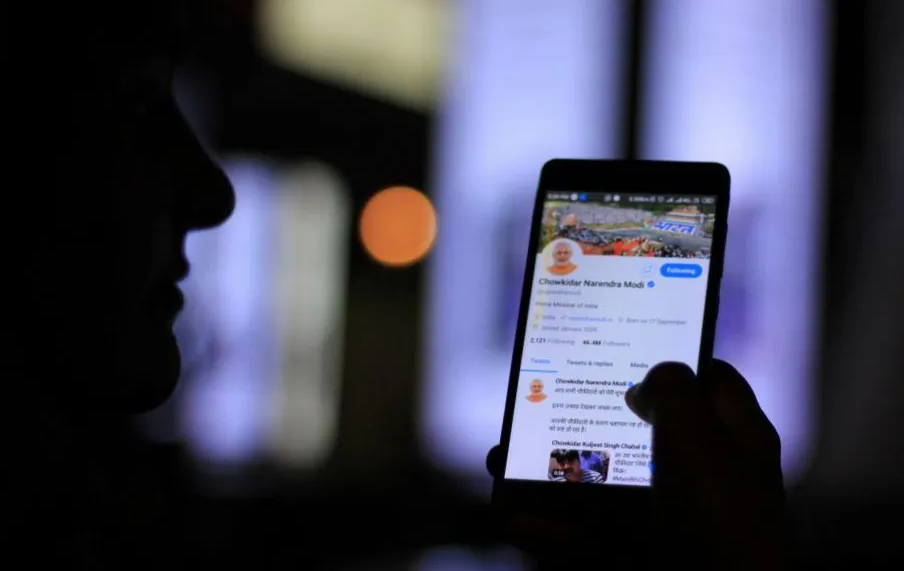
The concerns follow recent incidents where posts and accounts critical of the government were blocked. One such case involved social media user Kumar Nayan, whose account was temporarily restricted without prior notice.
Although restored later by court order, several of his posts — many critical of Narendra Modi and his government — remain blocked pending review.
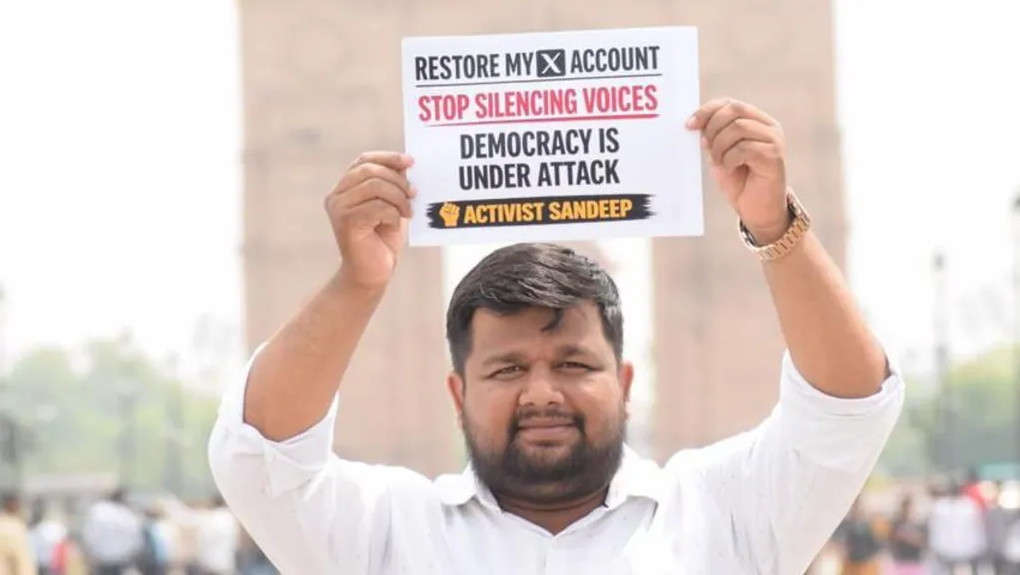
Another activist, Sandeep Singh, also reported that his account was restricted after sharing views critical of the ruling Bharatiya Janata Party (BJP).
Government’s Position
Officials have defended the proposed amendments, stating they are necessary to combat fake news, hate speech, and emerging threats such as deepfakes.
MeitY Secretary S. Krishnan emphasized the need for a unified framework, noting that news dissemination is no longer limited to traditional media outlets.
A Growing Debate
Digital rights advocates, including experts like Nikhil Pahwa, argue that the amendments could further strengthen what they describe as an expanding “infrastructure for mass censorship.”
They point to a series of regulatory changes since 2021 that have increased government control over online content, reduced compliance timelines for platforms, and limited transparency in takedown processes.
What Happens Next?
The government has invited public feedback on the proposed rules until April 14. As debate intensifies, the amendments are expected to shape the future of digital expression in one of the world’s largest online markets.
The outcome could have far-reaching implications — not just for social media companies, but for millions of users who rely on these platforms to share news, opinions, and political commentary.