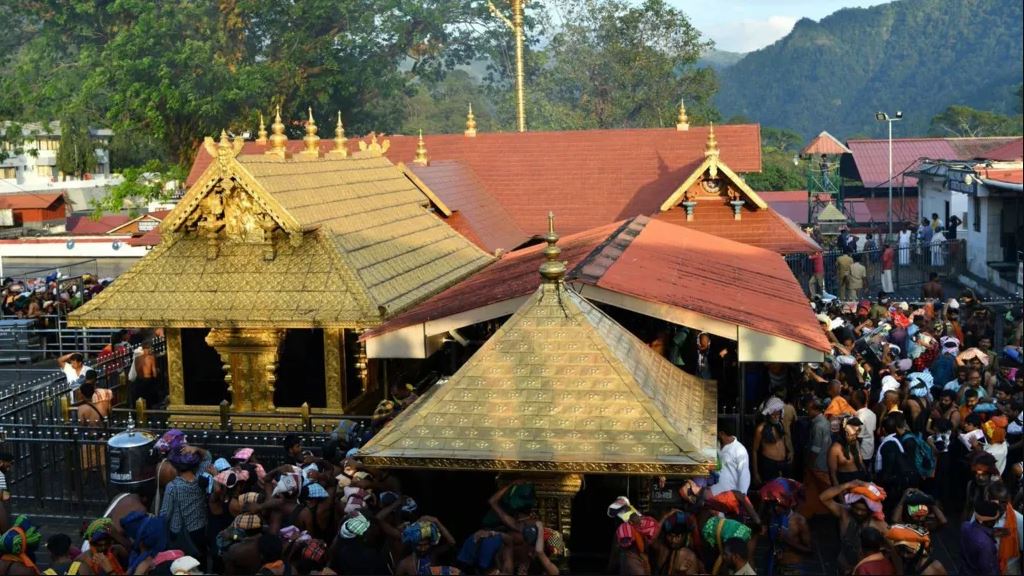

New Delhi / Kerala: India’s Supreme Court is currently hearing petitions challenging its 2018 landmark order that allowed women of menstruating age to enter the Sabarimala Temple in Kerala. The hearings are being conducted by a nine-judge constitutional bench, set up by Chief Justice Surya Kant, and are expected to have far-reaching implications for women’s religious freedoms across the country.
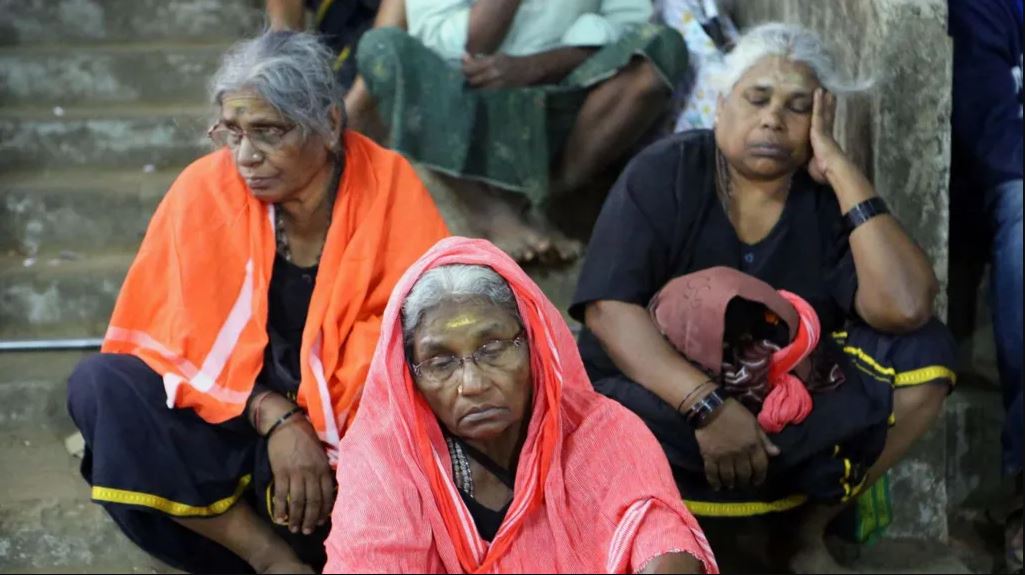
The petitions challenge the earlier judgment, which struck down the ban on women aged 10–50 entering the Sabarimala shrine, dedicated to Lord Ayyappa. Hindu tradition considers menstruating women as unclean, and the temple had historically prohibited their entry. Despite the ban, many devout women voluntarily refrained from visiting the temple, while others faced violent resistance when attempting entry.
In its 2018 ruling, the Supreme Court declared the exclusion discriminatory and unconstitutional, asserting that the right to practise religion applies equally to men and women. Justice Indu Malhotra, the only woman on the five-judge bench at the time, dissented, cautioning against judicial interference in matters of deep religious sentiment.
The current hearing expands beyond Sabarimala, encompassing cases related to Parsi temples, Muslim mosques, and the practice of female genital mutilation in the Dawoodi Bohra community. This broader ambit seeks to address whether religious traditions can override fundamental rights, including women’s freedom to worship.
The bench includes Justice BV Nagarathna, the lone female judge who is slated to become India’s chief justice next year, alongside judges from diverse faiths, castes, and regions, aiming to lend legitimacy to the verdict on such contested issues.
The Supreme Court’s decision is expected to set a precedent for similar challenges nationwide, as women continue to demand equal access to religious spaces traditionally restricted on the basis of gender.
The Travancore Devaswom Board, which manages Sabarimala, has urged the court to respect faith-based practices, while the Indian federal government has supported the review petitions. The hearings are scheduled to conclude on April 22.