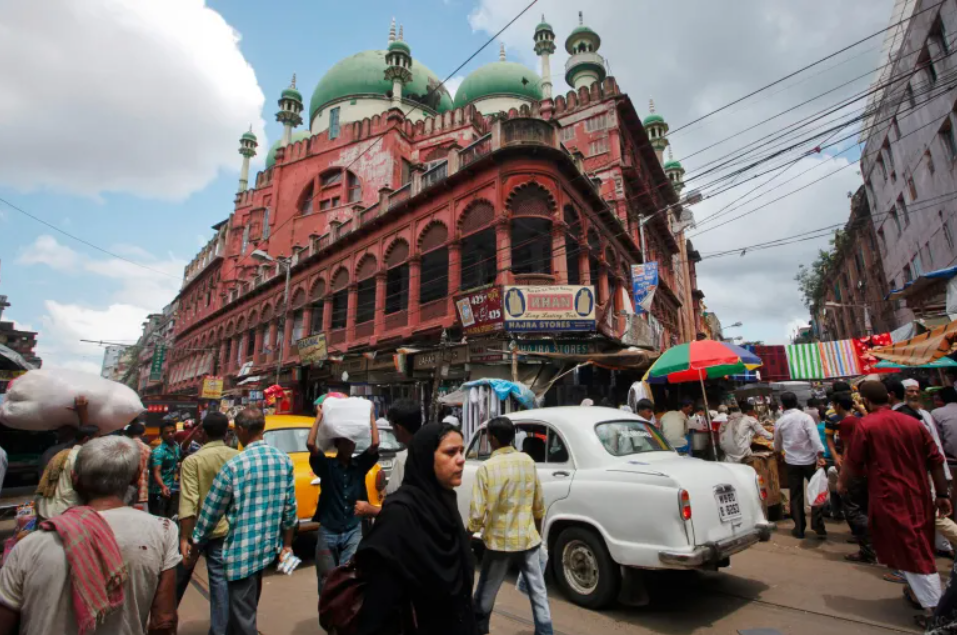

Mass Voter Deletions in West Bengal Trigger Political Storm
A major political controversy has erupted in India after more than nine million people were removed from electoral rolls in the eastern state of West Bengal ahead of crucial assembly elections.
The deletions followed a Special Intensive Revision (SIR) exercise conducted by the Election Commission of India, which authorities say was aimed at eliminating duplicate, deceased, or ineligible voters. However, critics argue the move has disproportionately affected Muslim communities and could significantly influence election outcomes.
Millions Disenfranchised Before Elections
The revised voter list impacts nearly 12% of the state’s electorate. Of the nine million affected, about six million were marked as “absentee” or “deceased,” while another three million now face legal hurdles to regain voting rights through tribunals.
With elections scheduled in two phases, many of those removed are unlikely to have their cases resolved in time, effectively disenfranchising them.
Disproportionate Impact on Muslims
Data analysis and field reports suggest that Muslim-majority districts — including Murshidabad, Malda, and North 24 Parganas — saw the highest number of deletions.
West Bengal is home to nearly 25 million Muslims, making up about 27% of its population, and the community has traditionally played a decisive role in state elections.
Residents report being removed from voter lists due to minor discrepancies such as spelling errors, name variations, or documentation gaps — issues common in rural and low-income populations.
Political Accusations Intensify
The ruling Bharatiya Janata Party (BJP) has defended the exercise as necessary to remove “illegal voters” and ensure electoral integrity.
However, opposition leaders — particularly from the Trinamool Congress — have accused authorities of deliberately targeting communities unlikely to support the BJP.
Chief Minister Mamata Banerjee has called the revision “selective” and politically motivated, alleging an attempt to manipulate voter demographics before the election.
Legal Challenges and Supreme Court Position
The controversy has reached the Supreme Court of India, which ruled that individuals with pending cases before tribunals cannot vote in the upcoming election. However, the court allowed the possibility of supplementary voter lists being issued.
For many affected voters, navigating the legal process remains difficult due to time constraints, bureaucratic hurdles, and lack of resources.
Human Impact and Growing Anxiety
Beyond political implications, the issue has deeply affected individuals who have voted for decades but now find themselves excluded.
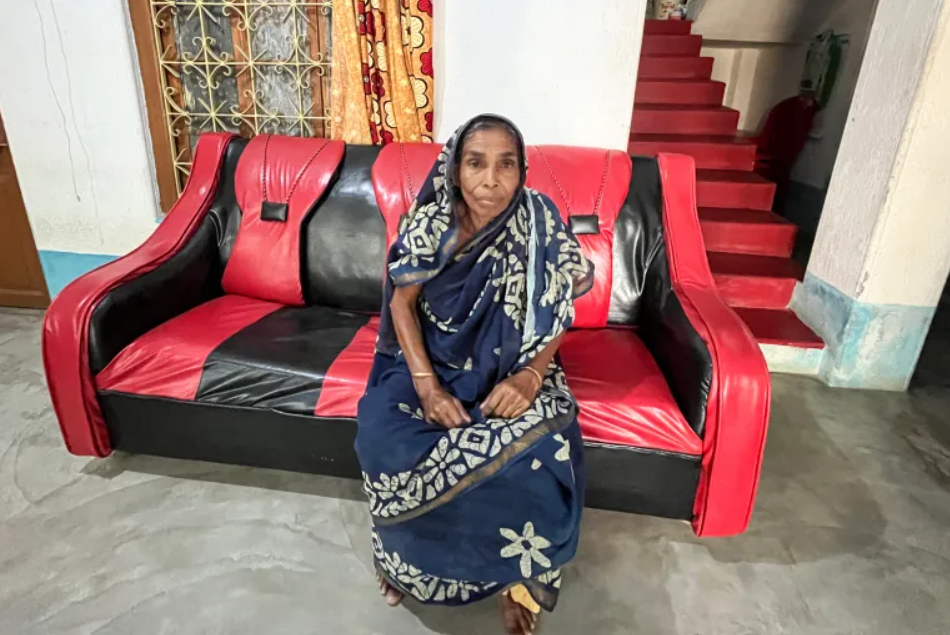
Stories have emerged of elderly citizens and entire families suddenly losing voting rights due to technical inconsistencies. For many, the experience has raised concerns about identity, citizenship, and democratic participation.
A Broader Debate on Democracy
The voter roll controversy comes amid growing concerns about electoral fairness and minority representation in India. Critics warn that large-scale disenfranchisement — intentional or otherwise — could undermine democratic legitimacy.
Authorities maintain that the process is a routine administrative exercise. But with elections imminent, the timing and scale of the deletions have intensified scrutiny both domestically and internationally.