
Iran Crisis Highlights Growing Global Resistance to Trump’s Pressure-Based Foreign Policy
The ongoing Iran crisis is increasingly being viewed as a major test of former US President Donald Trump’s approach to global politics — a strategy built on strength, coercion, and escalation. However, evolving geopolitical realities suggest that this model is facing significant resistance both internationally and domestically.
Trump and his administration have consistently projected an image of uncompromising American power, using economic pressure, military posturing, and diplomatic confrontation as central tools of foreign policy. His political identity has long been associated with aggressive deal-making and a willingness to escalate disputes in pursuit of strategic advantage.
However, the unfolding situation with Iran is revealing the limits of that approach.
Iran’s Resistance and Strategic Constraints
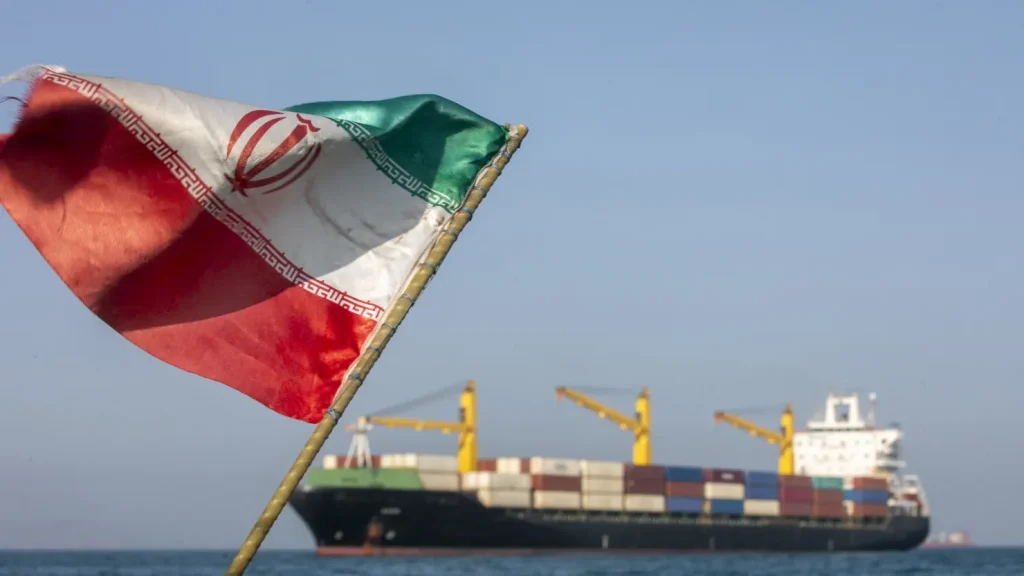
Despite increased pressure from Washington, Iran has resisted demands to significantly alter its nuclear and regional policies. This refusal has placed the United States in a complex strategic position. Escalation risks wider military confrontation and potential casualties, while disengagement could be perceived as a political setback if Iran retains key strategic assets, including enriched uranium stockpiles and control over critical energy routes.
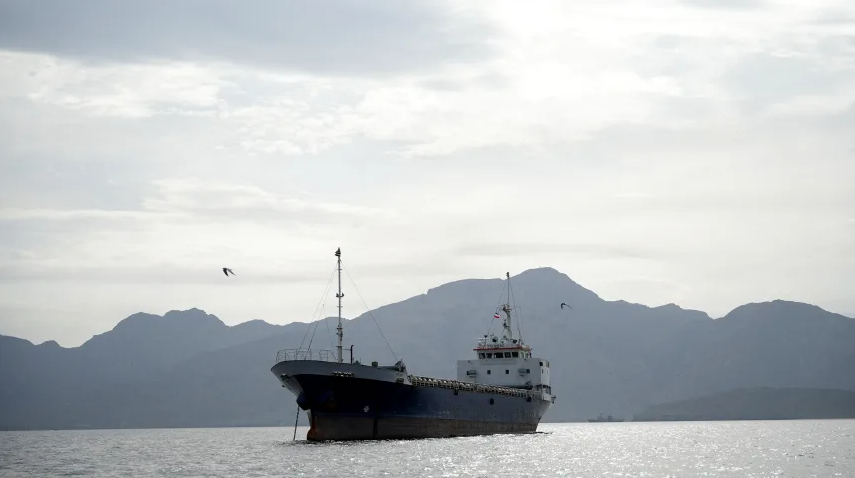
The Strait of Hormuz, a vital global energy chokepoint, has become a focal point of economic and geopolitical tension, with concerns that disruptions could have far-reaching consequences for global oil markets.
Strained Alliances and Limited Cooperation
The crisis has also highlighted challenges within traditional Western alliances. NATO members have shown limited willingness to fully align with US objectives in the conflict, reflecting diverging national interests and risk assessments. Efforts to pressure allies into deeper military involvement have not produced unified support.
Stringer/Reuters
Economic Pushback from Global Rivals
Beyond the Middle East, the broader geopolitical landscape is also shaping the limits of US influence. China has previously demonstrated its ability to counter US economic pressure through control of critical supply chains, including rare earth materials, exposing vulnerabilities in global trade dependencies.
These dynamics suggest that economic interdependence is increasingly being used as a counterweight to US pressure tactics.
Domestic Political and Institutional Constraints
Domestically, Trump’s foreign policy approach is also encountering resistance. Public opinion, legal frameworks, and institutional checks have limited the extent to which executive power can be exercised unilaterally. Policy setbacks in immigration enforcement and legal efforts against political opponents further illustrate the constraints facing aggressive governance strategies.
A Shifting Global Order
Analysts suggest that the Iran crisis may reflect a broader shift in global politics — one in which traditional power projection strategies are no longer sufficient to guarantee compliance or strategic outcomes.
As the situation continues to evolve, the United States faces a delicate balancing act between maintaining global influence and avoiding overextension in an increasingly multipolar world.