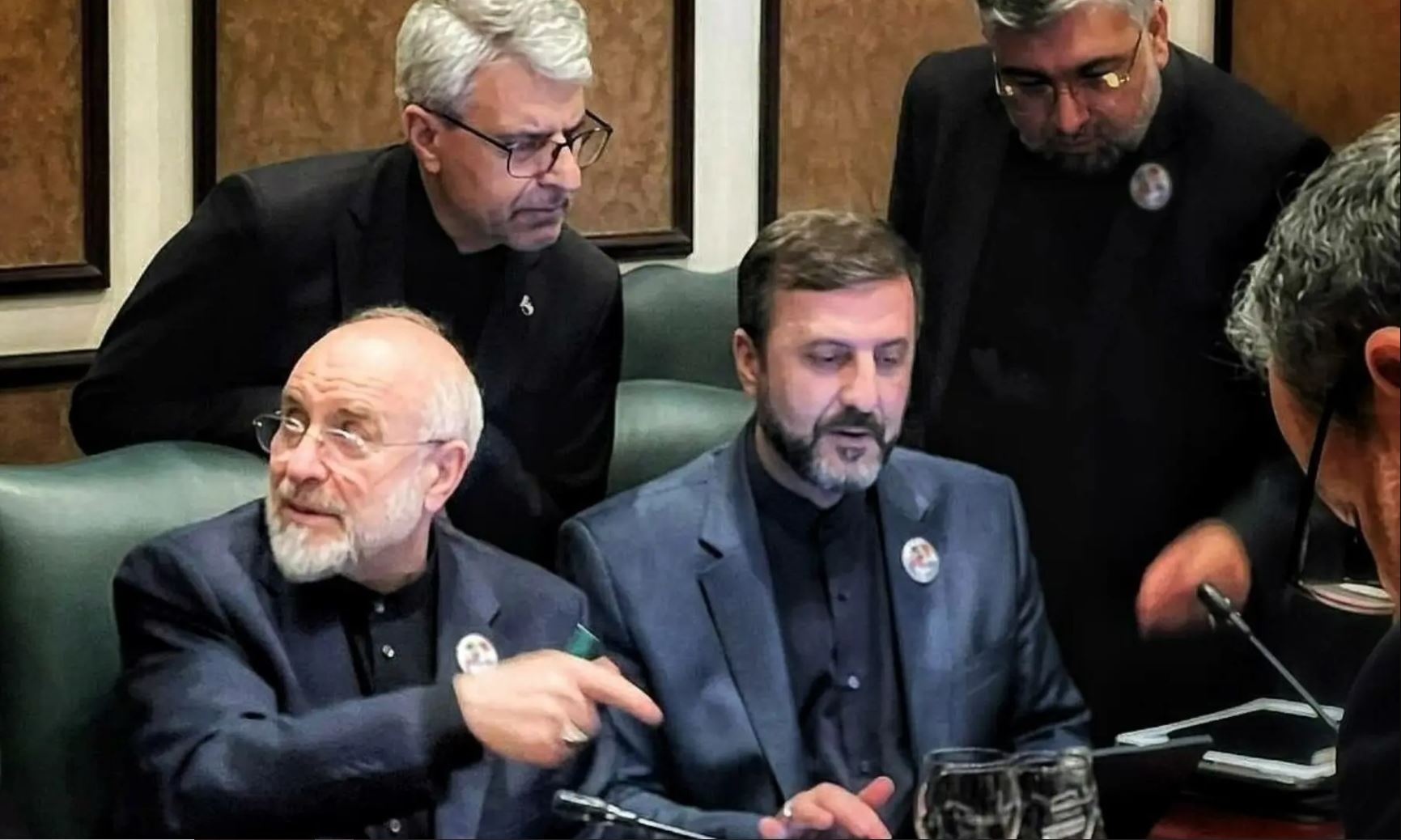

Expert-level negotiations between Iran and the United States have progressed in Islamabad, with both sides exchanging written proposals following hours of in-person discussions as efforts continue to stabilize a fragile ceasefire in the Middle East.
According to Iranian officials, the talks involved specialized committees covering economic, military, legal, and nuclear issues. The discussions are being held at a hotel in Islamabad, where technical-level negotiations are continuing to refine key details of a potential agreement.
Reports indicate that a third round of talks is currently underway, suggesting that both sides are maintaining active engagement despite deep political and strategic differences.
The negotiations are taking place during a two-week ceasefire in the broader US-Israeli conflict with Iran, which began after weeks of escalation in late February. The pause in fighting was brokered with regional mediation efforts led by Pakistan, allowing diplomatic channels to reopen.
The United States delegation is led by Vice President JD Vance, accompanied by senior officials including special envoy Steve Witkoff and presidential adviser Jared Kushner. The Iranian delegation is headed by Parliament Speaker Mohammad Bagher Ghalibaf, with Foreign Minister Abbas Araghchi also participating in the talks.
Iranian President Masoud Pezeshkian said in a statement that Tehran’s representatives remain committed to protecting national interests while continuing negotiations in good faith. He expressed hope that the delegation would “negotiate courageously,” while reaffirming that the government would stand by its people regardless of the outcome.
Before the technical discussions, Prime Minister Shehbaz Sharif met separately with both delegations, reaffirming Pakistan’s role as a facilitator in the peace process. He expressed optimism that the talks could help build momentum toward a durable regional settlement.
According to Pakistan’s Prime Minister’s Office, Shehbaz Sharif welcomed engagement from both sides and emphasized Islamabad’s commitment to supporting efforts aimed at long-term peace and stability in the region.
The meetings in Islamabad mark one of the most structured diplomatic engagements between the two sides since the escalation of tensions, with officials focusing on detailed technical issues rather than broader political statements.
While no breakthrough has been announced, ongoing exchanges of written texts and continued rounds of discussion suggest that negotiations remain active, with both sides attempting to narrow differences across multiple policy areas.