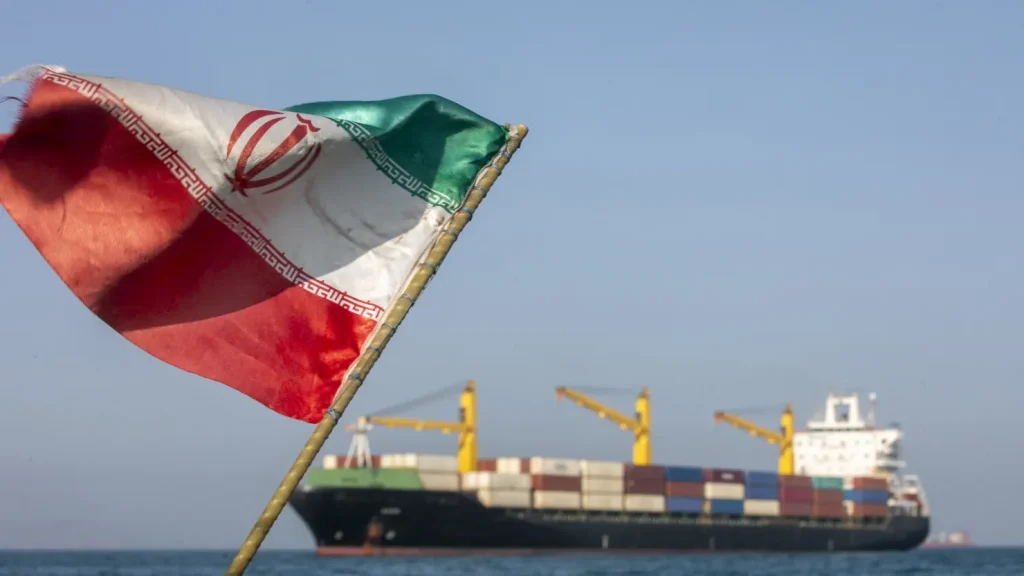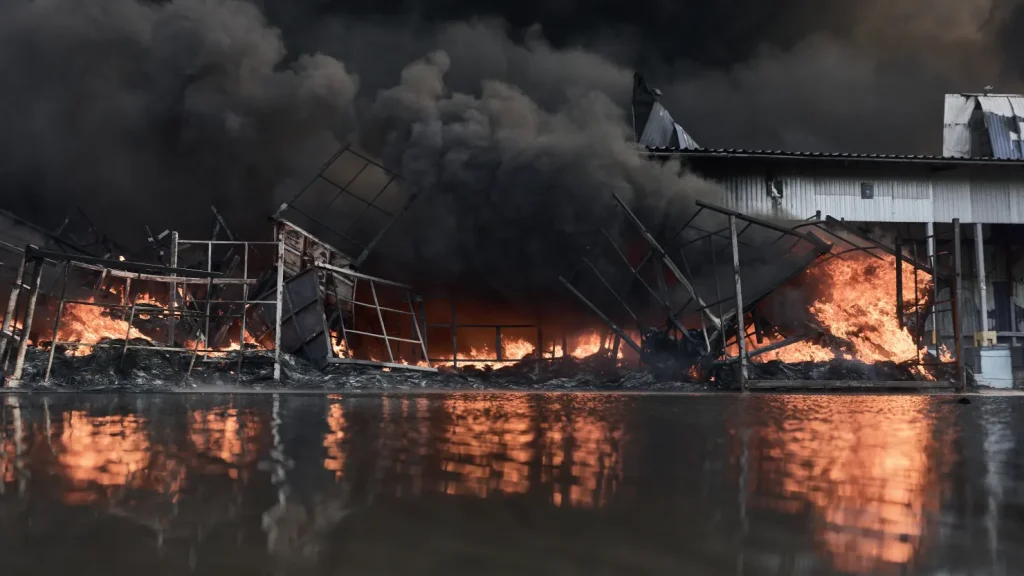
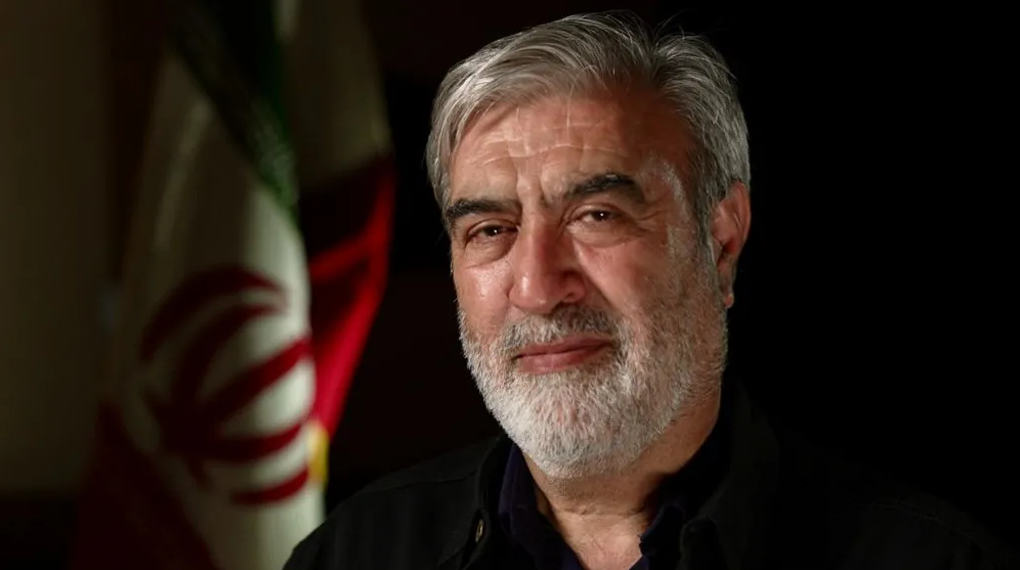

A senior Iranian lawmaker has declared that Iran will “never” relinquish control of the strategically vital Strait of Hormuz, underscoring Tehran’s increasingly assertive stance as tensions with the United States and its allies continue to shape the region’s geopolitical landscape.
Ebrahim Azizi, a member of parliament and former commander in the Islamic Revolutionary Guard Corps (IRGC), described control over the waterway as an “inalienable right,” stating that Iran would determine the terms of passage for vessels navigating the strait. He revealed that legislation is being prepared to formalize this authority, citing constitutional provisions related to national security, maritime safety and environmental oversight.
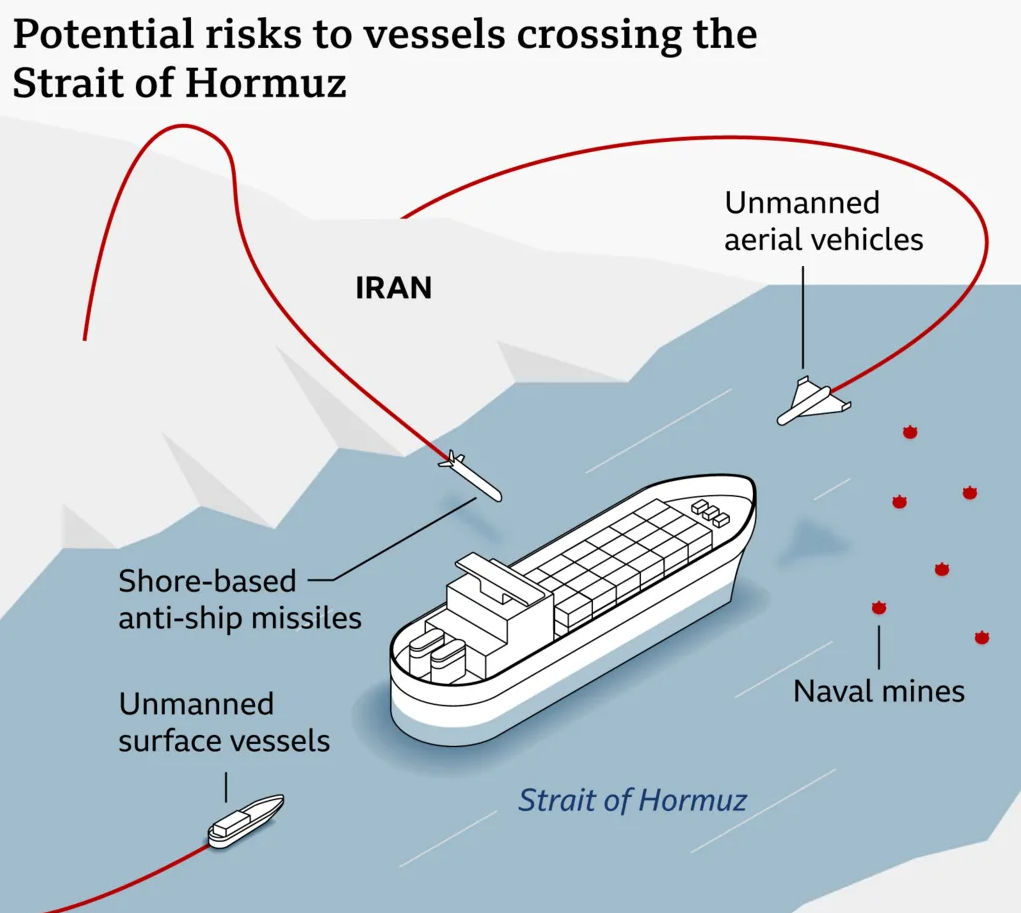
The Strait of Hormuz, located at the mouth of the Persian Gulf, is one of the world’s most critical energy chokepoints, with a significant portion of global oil and liquefied natural gas shipments passing through it. Iran’s insistence on maintaining control has raised alarm internationally, as any disruption could trigger severe economic consequences, including spikes in global energy prices and supply chain instability.
Iranian officials increasingly view the strait as a strategic lever in both military and diplomatic terms. Analysts in Tehran argue that the ongoing conflict has reinforced its importance as a tool for deterrence and negotiation. Mohammad Eslami, a research fellow at the University of Tehran, noted that restoring deterrence is a top priority for Iran after the war, with the strait serving as a key instrument of influence.
However, this position has drawn sharp criticism from regional actors. Anwar Gargash, diplomatic adviser to the president of the United Arab Emirates, described Iran’s stance as a “dangerous precedent,” warning that asserting unilateral control over international waterways could destabilize global maritime norms.
Despite Iran’s calls for regional cooperation, trust among Gulf nations remains strained. While Oman has maintained a relatively cooperative relationship with Tehran and previously engaged in efforts to ensure safe passage through the strait, other states have expressed deep concern over Iran’s military actions during the recent conflict.
Internal dynamics within Iran’s leadership have also come into focus. A recent statement by Foreign Minister Abbas Araghchi suggesting that the strait was “completely open” triggered swift backlash from media outlets linked to the IRGC, highlighting sensitivities around messaging on such a critical issue. Iranian authorities later clarified that access remains tightly controlled and subject to military oversight.
The future of the Strait of Hormuz is expected to be a central issue in ongoing diplomatic efforts. Talks involving the United States and Iran—reportedly facilitated in part by Pakistan—may determine whether a sustainable framework for navigation and security can be achieved. Donald Trump has repeatedly called on Iran to ensure free passage through the waterway, accusing Tehran of using it as leverage in negotiations.
Iranian officials, however, reject such claims, framing their position as a دفاع of sovereignty rather than coercion. Azizi dismissed accusations of internal divisions, asserting that national security issues unify all factions within the country’s leadership.
As diplomatic efforts continue amid a fragile ceasefire, the Strait of Hormuz remains at the center of a high-stakes geopolitical contest—one with far-reaching implications for global energy markets, regional stability and international maritime law.