
Iran War Impact Adds ‘Triple Shock’ to Sri Lanka’s Flood and Economic Crisis
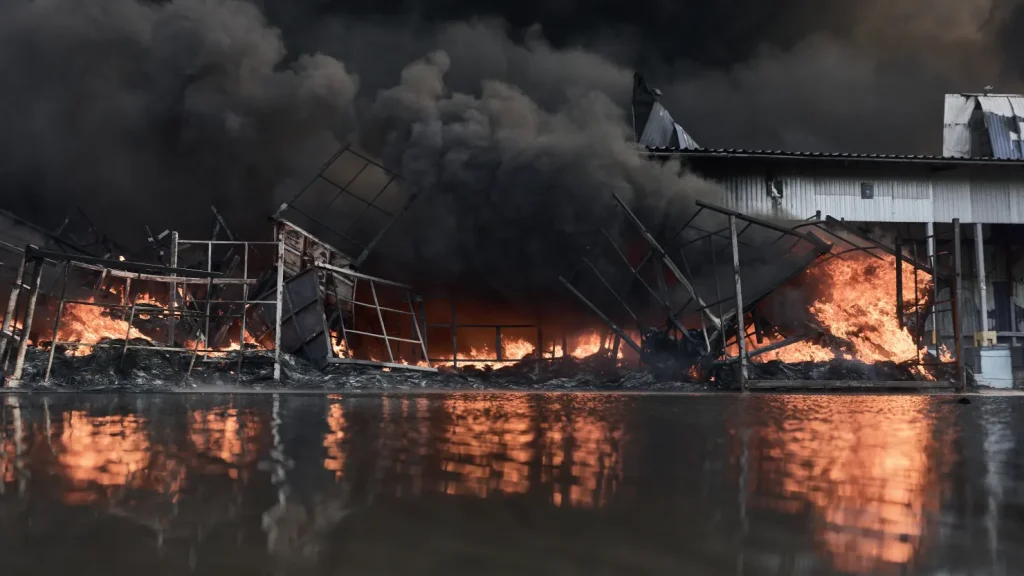
Sri Lanka is grappling with a worsening national crisis as recovery from Cyclone Ditwah is further strained by global economic pressures linked to the Iran–Israel conflict.
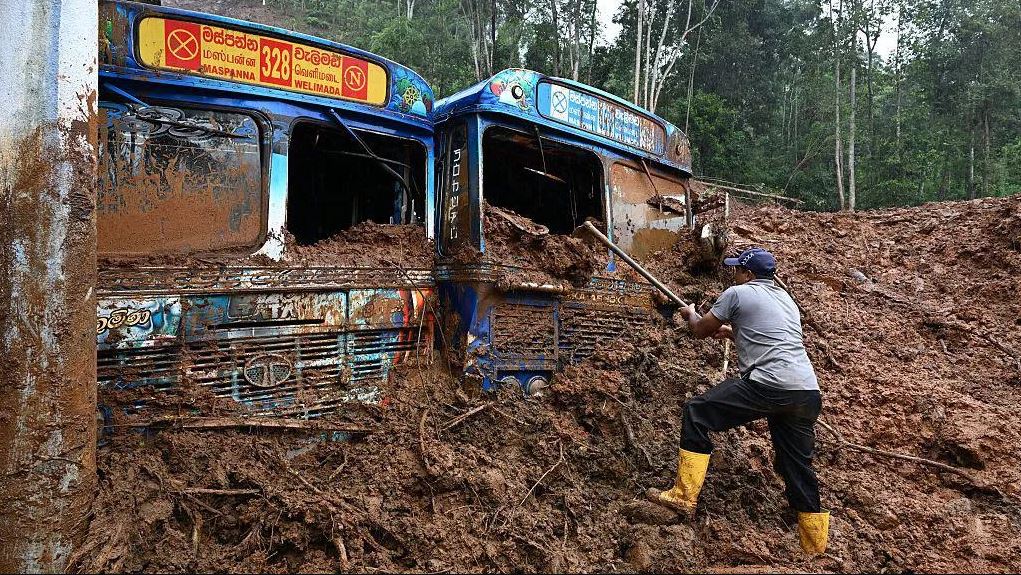
The island nation of Sri Lanka is still recovering from catastrophic floods caused by Cyclone Ditwah, which killed 643 people and displaced hundreds of thousands last November. Entire communities were destroyed after unprecedented rainfall triggered landslides and flash floods across central regions.
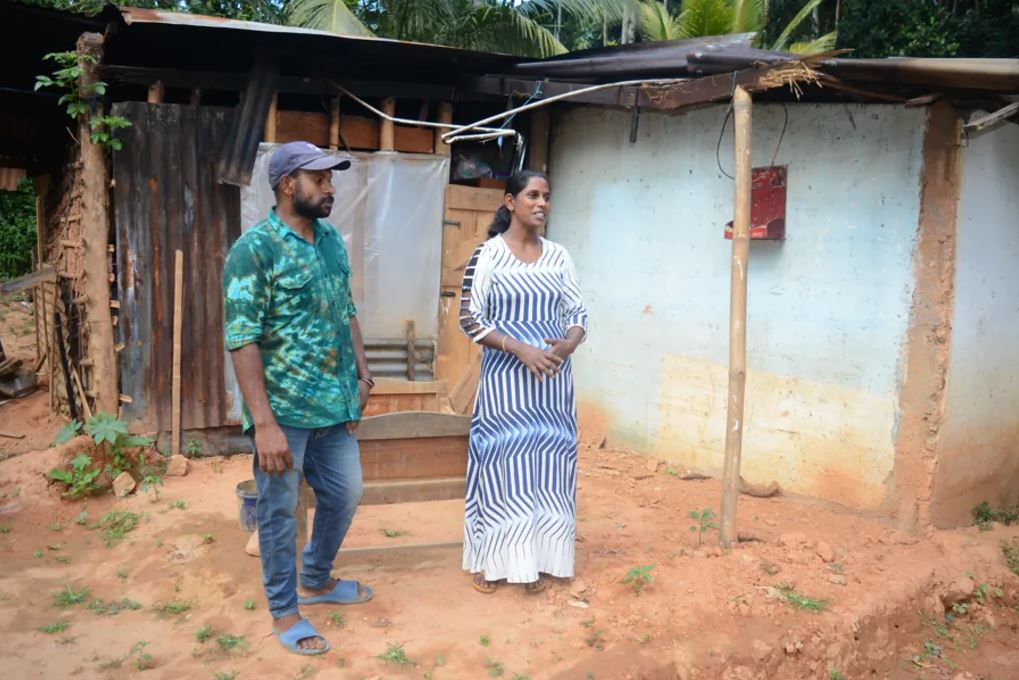
Survivors like Indrani Ravichandran and her family have returned to damaged homes, struggling to rebuild their lives amid ongoing hardship.
Experts say the country is now facing a “triple shock” — disaster recovery, rising global fuel prices, and looming environmental stress.
“It’s a triple shock,” said Dr Ganeshan Wignaraja of the ODI Global Institute, warning that the combined pressures are worsening Sri Lanka’s fragile economic recovery.
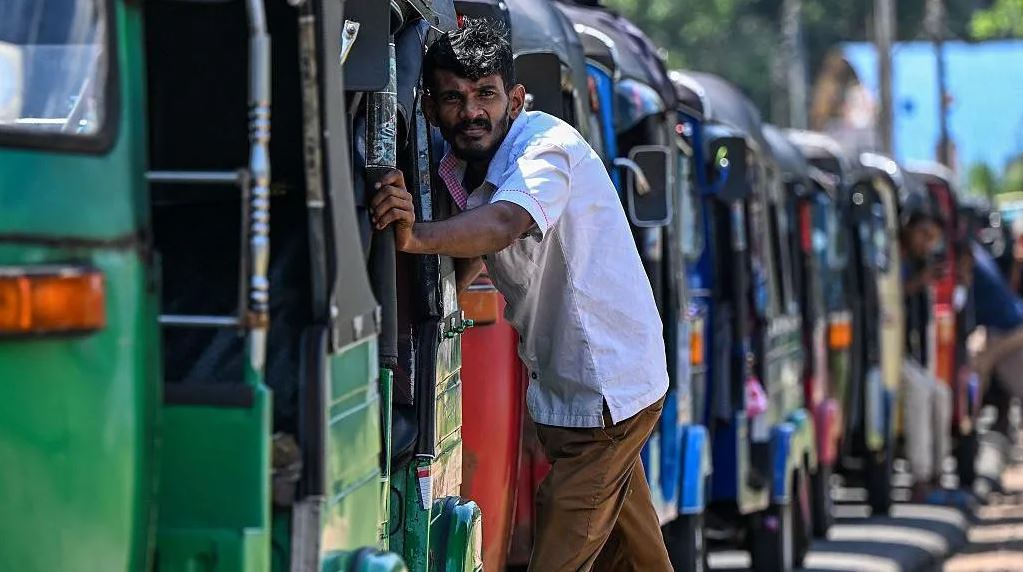
The government of President Anura Kumara Dissanayake has introduced emergency measures including fuel rationing, power cuts, higher utility tariffs, and a four-day working week as shortages deepen.
Sri Lanka, already shaken by its 2022 economic collapse following debt default, is once again facing panic buying of fuel and essential goods. The crisis recalls earlier turmoil under former president Gotabaya Rajapaksa.
According to the World Bank, Cyclone Ditwah affected nearly two million people and caused an estimated $4 billion in damages — around 4% of the country’s GDP. The United Nations and other agencies report more than 165,000 people remain displaced months after the disaster.
International aid has been limited compared to the 2004 tsunami response. India led relief efforts through Operation Sagar Bandhu, sending naval ships, helicopters, and thousands of tonnes of supplies, along with financial assistance.
However, contributions from other major partners have been significantly lower, raising concerns over long-term reconstruction funding as Sri Lanka struggles to secure enough resources for recovery.
With economic pressure mounting and climate disasters becoming more frequent, analysts warn Sri Lanka’s recovery remains uncertain and increasingly fragile.