
Iran war fuels global economic alarm as IMF meetings open amid energy shock
LONDON: The Iran war has intensified concerns over the global economy as finance leaders gather for the International Monetary Fund (IMF) meetings in Washington, with rising energy prices and inflation risks dominating discussions.
The conflict, now considered the third major global economic shock after the COVID-19 pandemic and Russia’s invasion of Ukraine, has triggered widespread concern over energy security and economic stability.
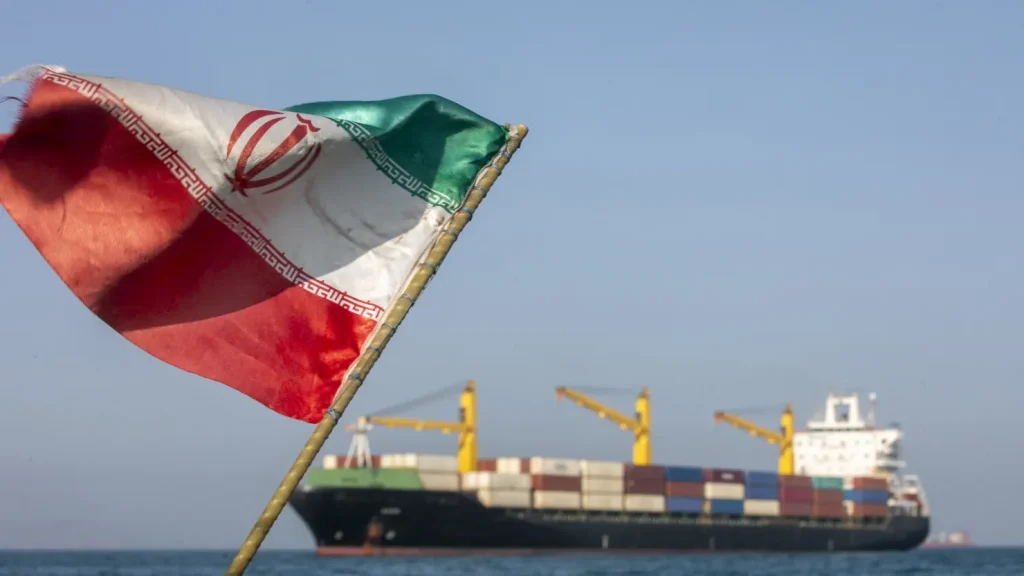
Hopes of restoring oil shipments through the Strait of Hormuz were further weakened following unsuccessful US–Iran talks over the weekend, raising fears that a fragile ceasefire could collapse.
The IMF and World Bank are expected to downgrade global growth forecasts and raise inflation projections, with emerging markets and developing economies likely to be hit hardest.
Several countries have already begun introducing emergency measures. Nigeria has warned it will need international support to manage rising fuel costs, despite higher crude prices boosting its foreign exchange earnings.
In Europe, Germany announced a €1.6 billion relief package to cut fuel costs, while Sweden introduced tax cuts and electricity subsidies worth hundreds of millions of dollars. Both governments cited the war as the main driver of economic pressure.
In the United Kingdom, Chancellor Rachel Reeves is expected to outline support measures for struggling businesses amid high energy costs, while Prime Minister Keir Starmer pointed to global instability as the UK reassesses its economic ties with Europe.
Economists warn that the conflict could lead to “stagflation” — a combination of slowing growth and rising inflation — as central banks face difficult decisions on interest rates.
European Central Bank officials said future rate decisions will depend heavily on how oil price shocks affect broader inflation, while the Bank of Japan is also reassessing its policy outlook amid global uncertainty.
As the IMF meetings continue, global finance leaders are bracing for further economic turbulence driven by the ongoing conflict and its impact on energy markets.