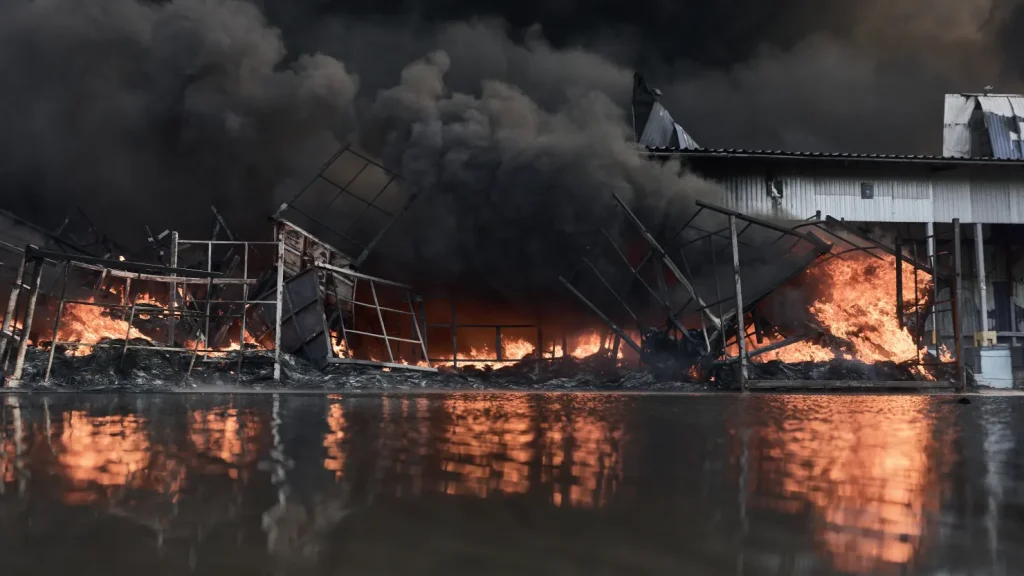
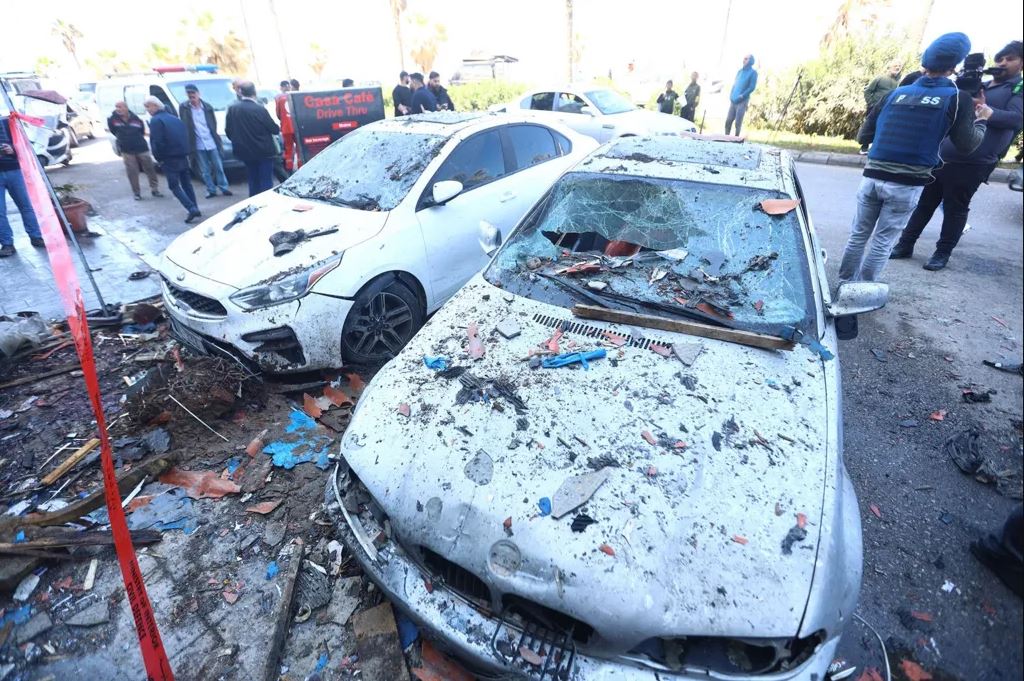

The Israeli military carried out a massive wave of air strikes across Lebanon, marking the largest offensive in the ongoing conflict. Reports indicate that over 100 Hezbollah command centers and military sites were targeted within just ten minutes, with strikes hitting southern Beirut suburbs, southern Lebanon, and the eastern Bekaa Valley.
Hospitals across Lebanon are overwhelmed with casualties, and many residents are feared trapped under the rubble of collapsed buildings. According to authorities, more than 1,500 people have died, including 130 children, while over 1.2 million people—approximately one in five of Lebanon’s population—have been displaced, mostly from Shia Muslim communities in the south and Beirut suburbs.
The strikes follow the Israeli government’s rejection of claims by Pakistan, which mediated a US-Iran ceasefire deal, that the agreement also covered the ongoing Lebanese conflict. Israeli officials have signaled their intent to continue military operations in Lebanon, aiming to dismantle Hezbollah’s infrastructure and establish a “security buffer zone” along the border.
Villages near the Israeli border have been devastated, raising concerns that some areas may remain occupied post-conflict, preventing residents from returning home. Hezbollah, which has not carried out attacks since the US-Iran ceasefire announcement, described the situation as “on the threshold of a historic victory,” urging displaced families to wait for an official ceasefire before returning.
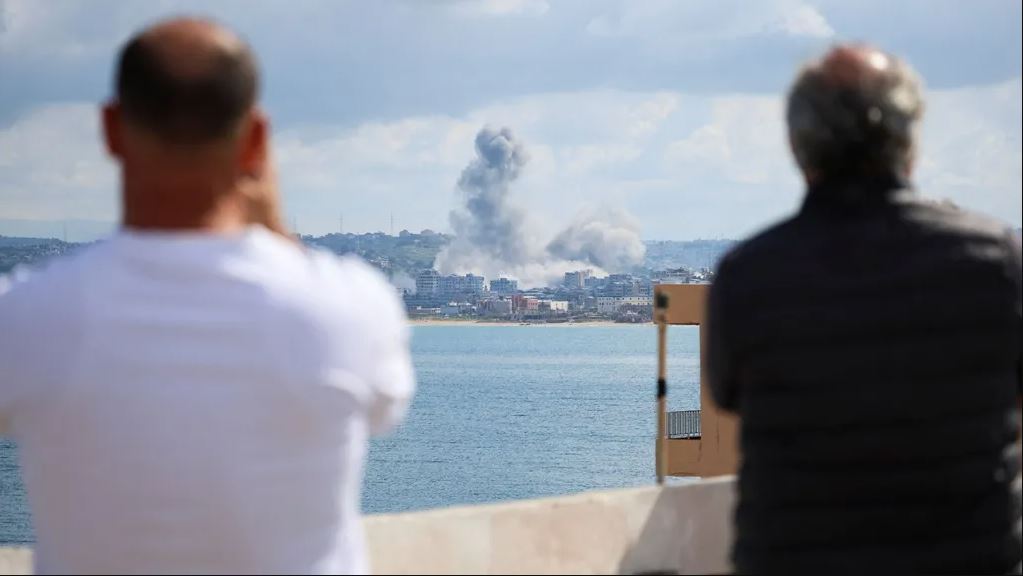
The recent escalation follows Hezbollah’s rocket attacks on Israel in retaliation for the killing of Iranian Supreme Leader Ayatollah Ali Khamenei, as well as prior Israeli strikes despite a ceasefire agreed in November 2024. Observers have noted Hezbollah’s unexpectedly strong military capabilities, contrasting previous assumptions about the group being weakened.
Within Lebanon, Hezbollah faces criticism for involving the country in a conflict tied to Iranian interests. Despite this, the group retains significant support among Shia communities. Meanwhile, the displacement crisis has worsened Lebanon’s humanitarian challenges, with schools turned into shelters, families living in tents, and rising sectarian tensions in host communities.
The Lebanese government has maintained a policy of negotiation over force, seeking to disarm Hezbollah while avoiding further internal violence. President Joseph Aoun announced openness to direct talks with Israel, though Israel has not responded to the initiative.
The humanitarian and political situation in Lebanon remains precarious as the conflict continues to escalate, leaving thousands of civilians in urgent need of aid.