
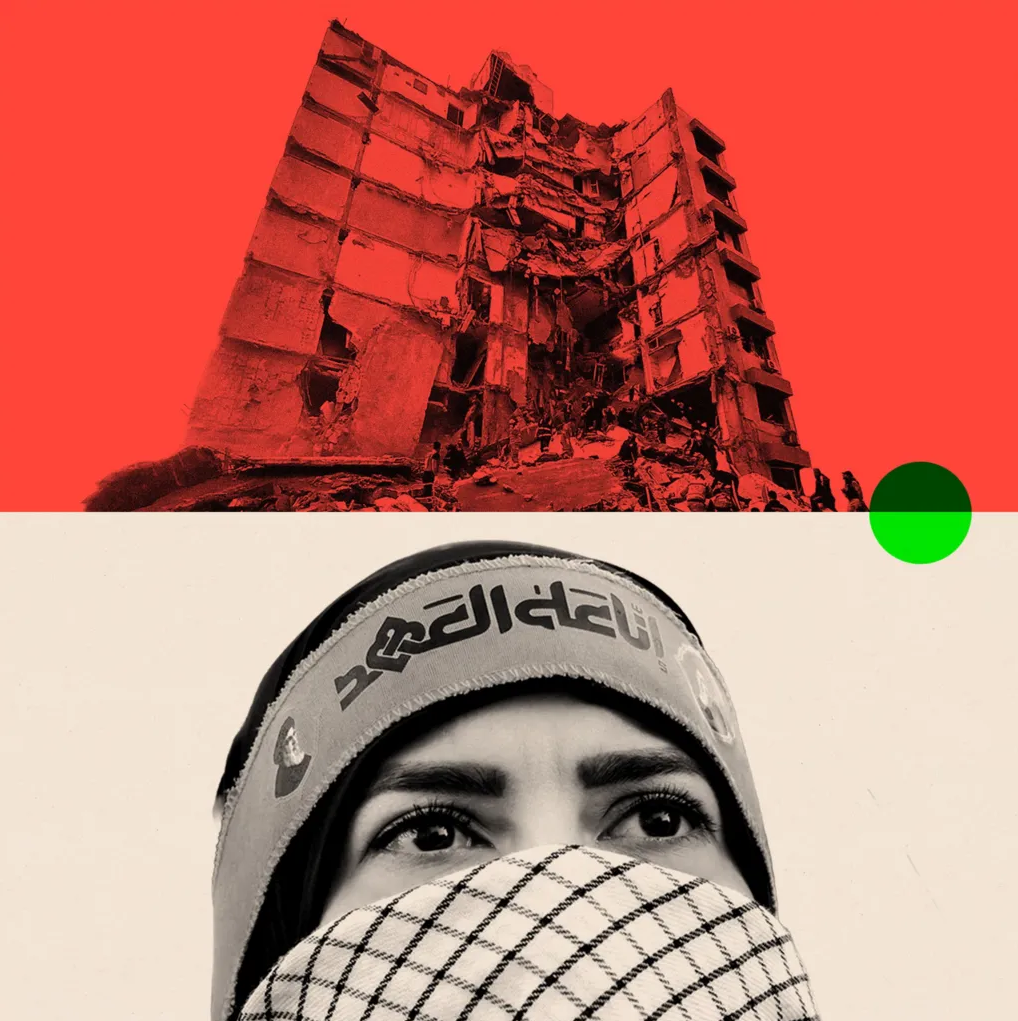
Beirut — As conflict continues to grip Lebanon, efforts to secure lasting peace face a critical hurdle: convincing Hezbollah to lay down its arms.
Despite calls for de-escalation and renewed diplomacy, the powerful Iran-backed group remains central to both Lebanon’s defense narrative and its ongoing instability.
Government Push for Stability
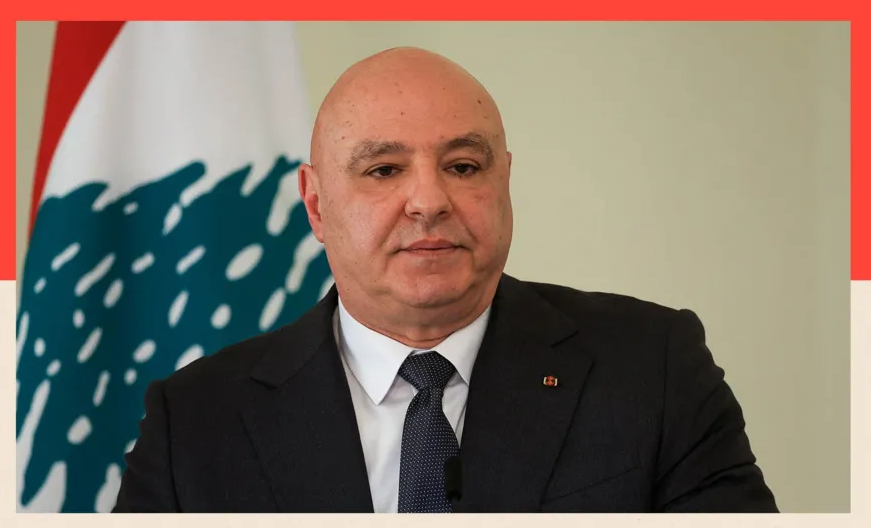
Lebanon’s President, Joseph Aoun, has repeatedly expressed his commitment to restoring state authority, including a controversial plan to ensure a “state monopoly on arms.”
Aoun has warned, however, that forcibly disarming Hezbollah could plunge the country back into civil war — a risk Lebanon cannot afford amid ongoing Israeli strikes and economic بحران.
A Country Divided
Lebanon remains deeply split over Hezbollah’s role. Supporters view the group as a necessary защит against Israel, especially amid repeated cross-border conflicts.
Critics argue Hezbollah acts primarily in the interests of Iran, dragging Lebanon into wars it cannot sustain.
This divide reflects broader sectarian dynamics in the country, where political loyalties often align along religious lines.
Roots of the Crisis
Formed during the 1980s amid Israel’s occupation of southern Lebanon, Hezbollah has grown into the country’s most powerful force — militarily, politically, and socially.
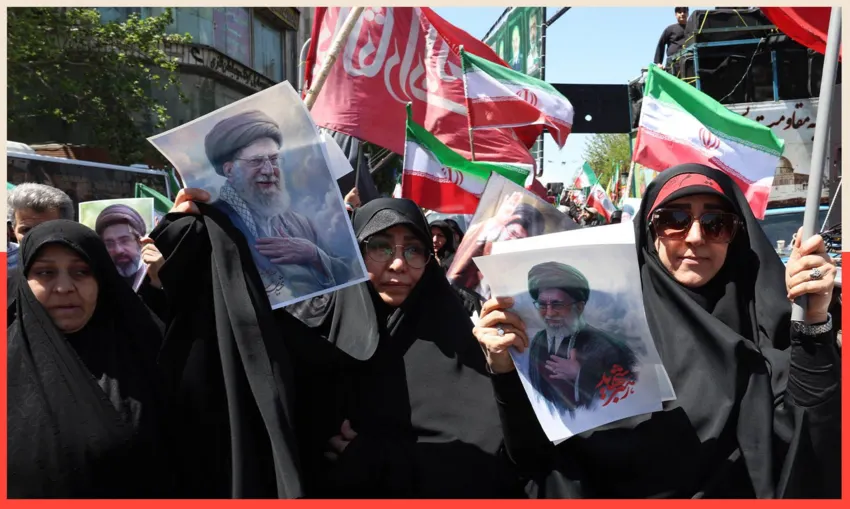
Backed by Ali Khamenei and supported by Tehran, the group has maintained its weapons despite international agreements such as United Nations Resolution 1701 calling for its disarmament.
Over time, Hezbollah has also built a strong social base, providing services like healthcare and education in underserved areas.
Limited Government Leverage
Analysts say the Lebanese government has little real leverage over Hezbollah.
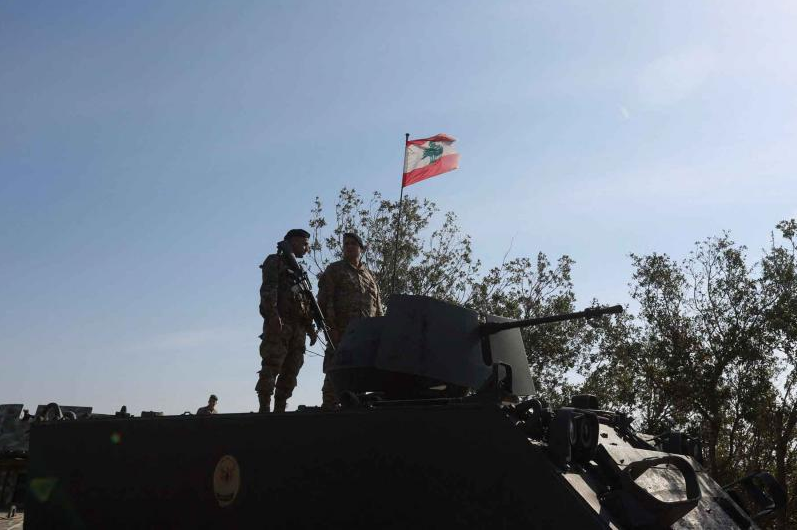
Experts argue that the country’s military lacks both the capacity and political backing to confront the group directly. Attempting to do so could ignite internal conflict, particularly within the Shia community, where Hezbollah enjoys significant support.
Regional Power Dynamics
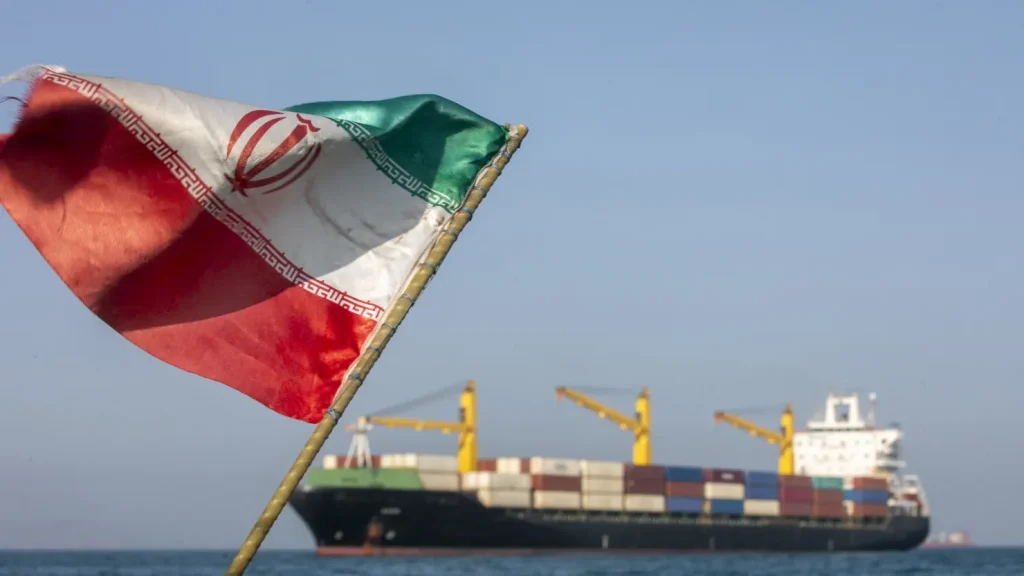
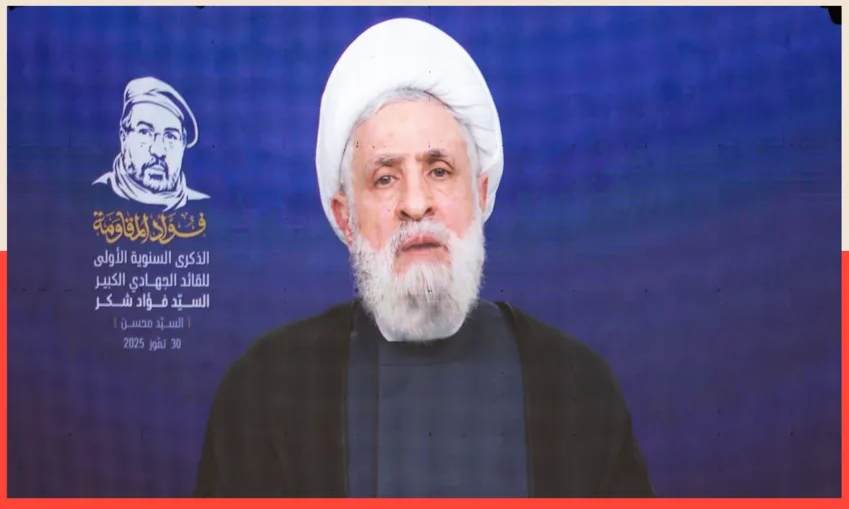
The situation is further complicated by regional geopolitics. Hezbollah is part of Iran’s broader “Axis of Resistance,” alongside groups like Hamas and the Houthis.
This means key decisions about its future may not be made in Beirut, but in Tehran — limiting Lebanon’s ability to negotiate independently.
Escalation and Human Cost
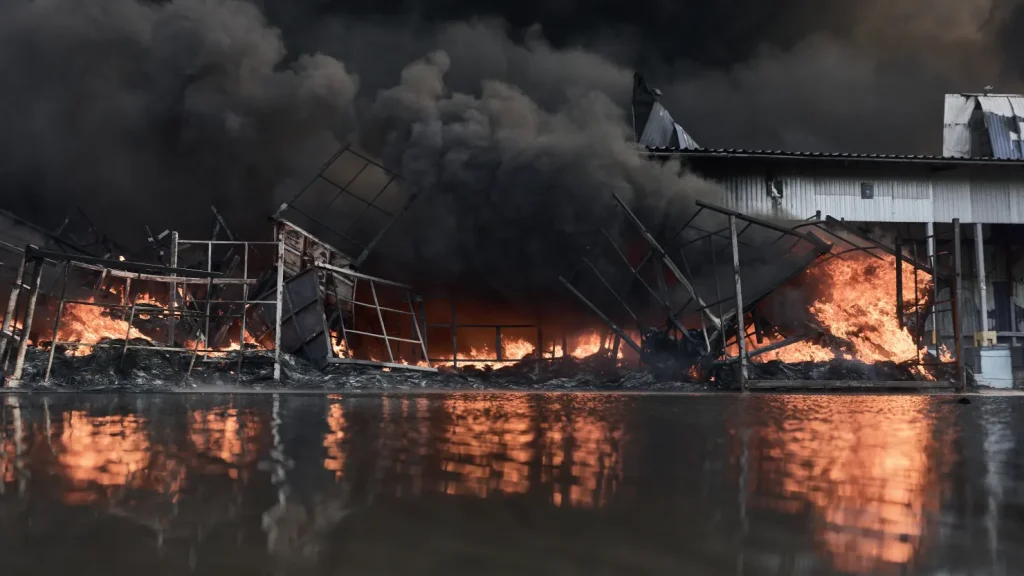
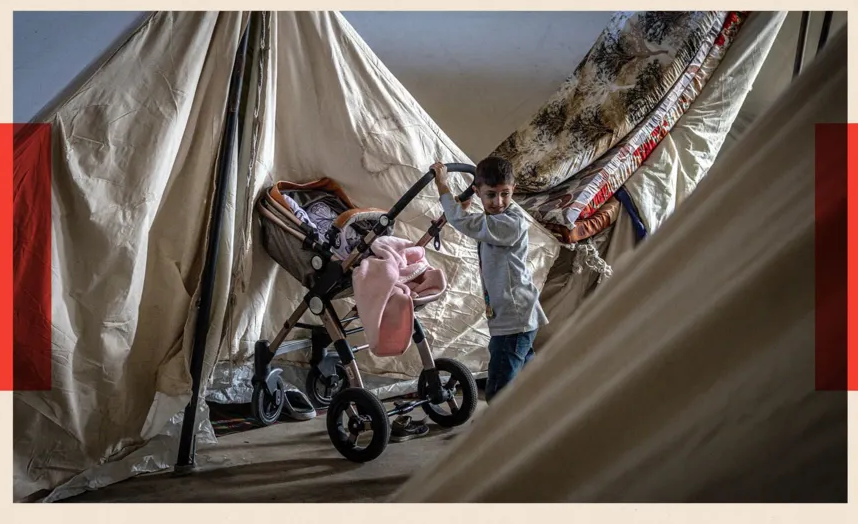
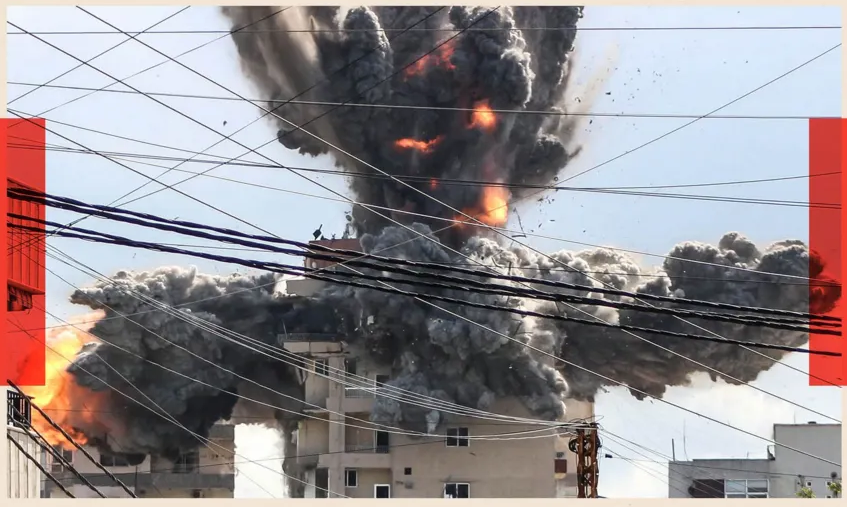
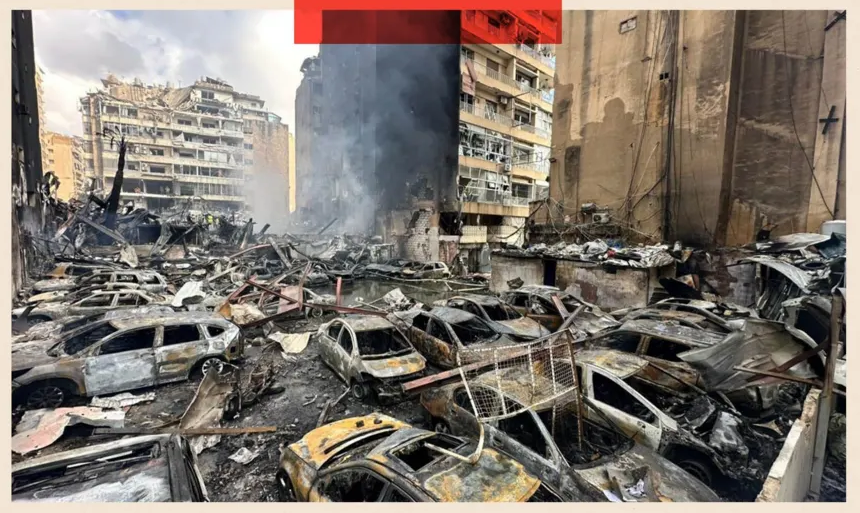
Recent Israeli strikes have intensified the crisis, killing over 2,000 people and displacing more than 1.2 million, according to official figures.
Entire communities — particularly in southern Lebanon — remain under threat, with fears growing that parts of the country could remain occupied or become buffer zones.
For many civilians, the war has reinforced a sense of permanent instability.
Peace Still Out of Reach
While diplomatic efforts, including potential talks involving Israel and international actors, offer a glimmer of hope, the path to peace remains uncertain.
Hezbollah has made it clear it will not negotiate over its weapons, framing them as essential to its identity and mission.
Until that position changes — or a broader regional agreement is reached — Lebanon’s quest for peace is likely to remain stalled.