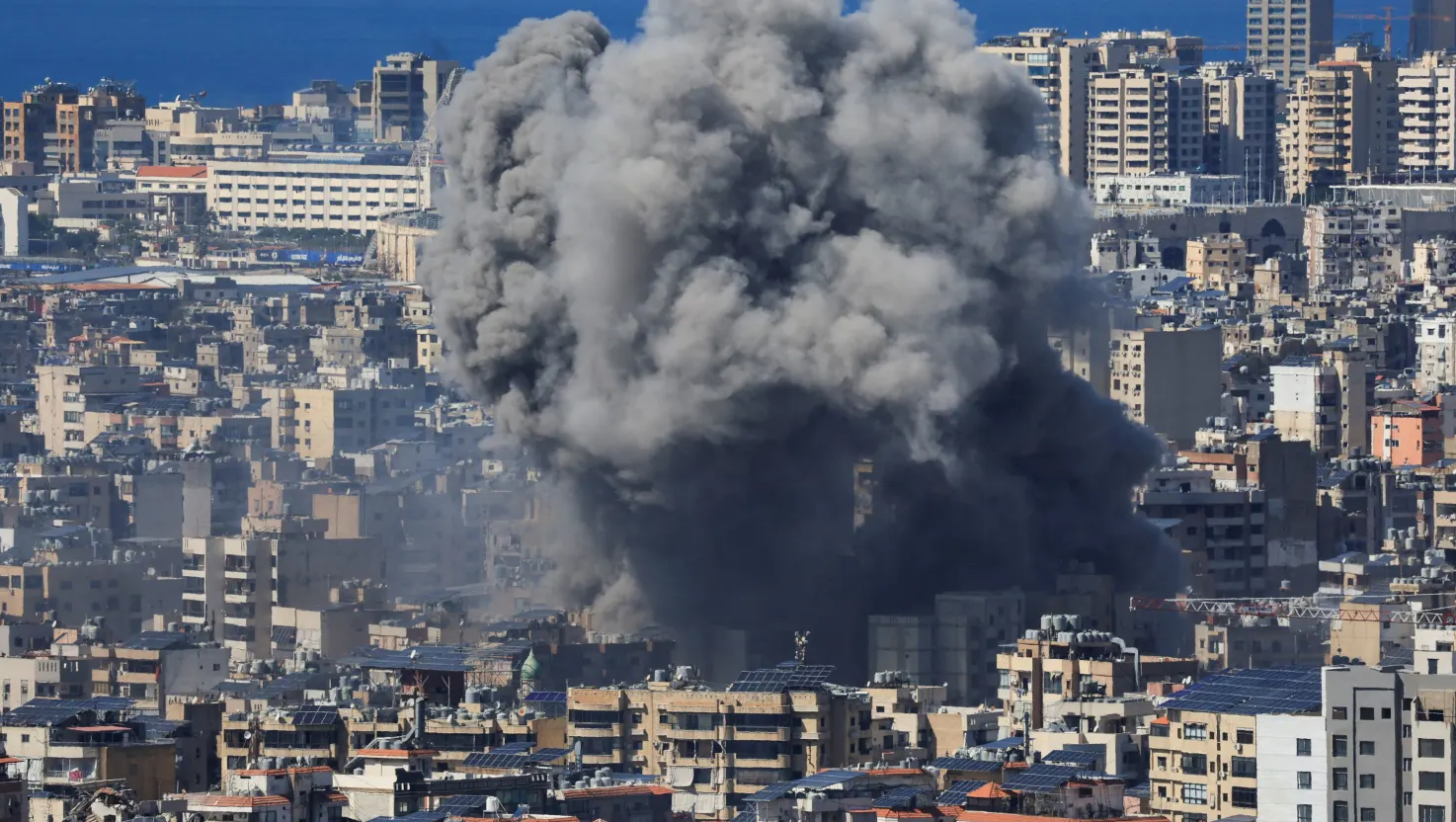

Lebanon has called for urgent clarification over its status in the recently announced ceasefire tied to the Iran war, as Israeli military operations continue within its territory, creating confusion and concern over whether the truce applies to the country.
Speaking to CNBC, Lebanon’s economy minister Amer Bisat said authorities were receiving “mixed signals” بشأن the scope of the ceasefire agreement.
“We’re getting mixed signals, or mixed reports,” Bisat stated, noting that while some officials suggest Lebanon is included in the truce, others — particularly from Israel — indicate otherwise.
The uncertainty follows a two-week ceasefire announcement linked to negotiations involving Donald Trump and Iranian authorities, aimed at de-escalating a conflict that has rattled global markets and disrupted energy supplies. However, Israeli officials have explicitly stated that the ceasefire does not extend to Lebanon.
A statement from the office of Israeli Prime Minister Benjamin Netanyahu confirmed that military operations against Hezbollah targets inside Lebanon would continue, despite the broader pause in hostilities with Iran. On Wednesday, Israeli forces issued an evacuation warning for the southern Lebanese city of Tyre ahead of potential strikes.
This position directly contradicts remarks made by Shehbaz Sharif, who had indicated that the ceasefire would apply “everywhere, including Lebanon and elsewhere,” highlighting the lack of consensus among key stakeholders.
The situation on the ground remains volatile. Israeli strikes targeting Hezbollah — an Iran-backed militant group operating in Lebanon — have intensified over recent weeks, with ground incursions reported in southern regions. Meanwhile, Hezbollah has reportedly paused attacks on northern Israel, though a formal statement on the ceasefire is still awaited.
International leaders, including Emmanuel Macron, have called for Lebanon to be included in any ceasefire framework to prevent further humanitarian and regional fallout.
According to the United Nations, more than 1.1 million people have been displaced in Lebanon due to the ongoing conflict, with over 1,200 reported fatalities. The scale of displacement represents a significant humanitarian crisis in a country already struggling with economic instability.
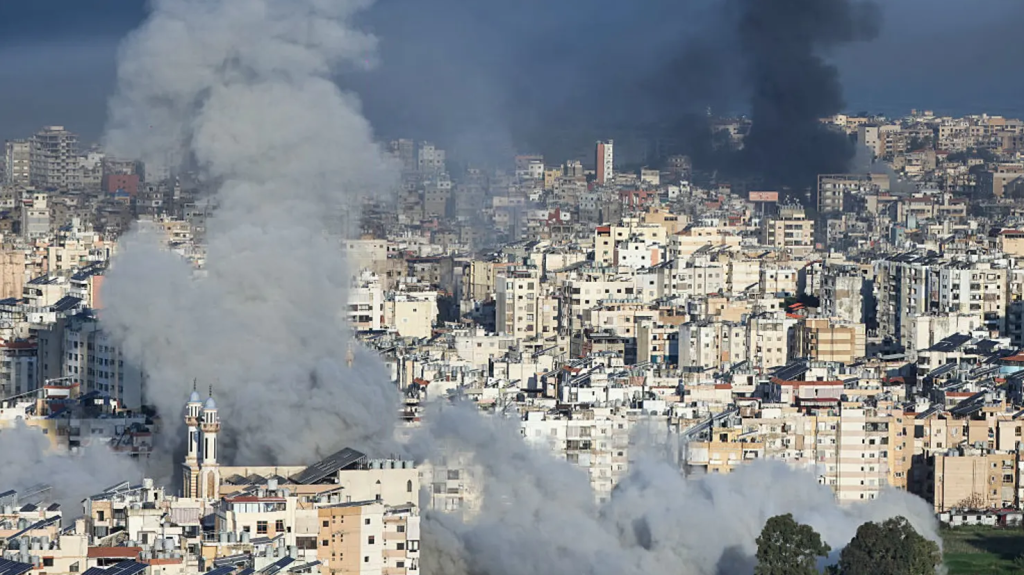
Bisat described the war as a “devastating setback” for Lebanon, emphasizing that the country had only recently begun to show signs of economic recovery after years of financial crisis. He estimated that the conflict has cost Lebanon between 5% and 7% of its GDP in just five weeks.
“In 2025, we started seeing a bit of a recovery,” he said, “but this war erased that progress in less than a month.”
The broader ceasefire announcement had initially boosted global financial markets, with oil prices falling below $100 per barrel amid hopes of stability in the strategically critical Strait of Hormuz. However, continued military activity in Lebanon and reports of ongoing missile and drone incidents elsewhere in the region have raised doubts about the durability of the agreement.
Iran has signaled conditional compliance with the ceasefire, stating that its military operations would halt only if attacks against it cease. At the same time, Tehran indicated that maritime traffic through the Strait of Hormuz would resume under coordination with its armed forces, suggesting potential limitations.
As diplomatic efforts continue, Lebanon remains in a precarious position — caught between conflicting narratives and ongoing military operations — while urgently seeking confirmation that it will be included in any lasting ceasefire arrangement.