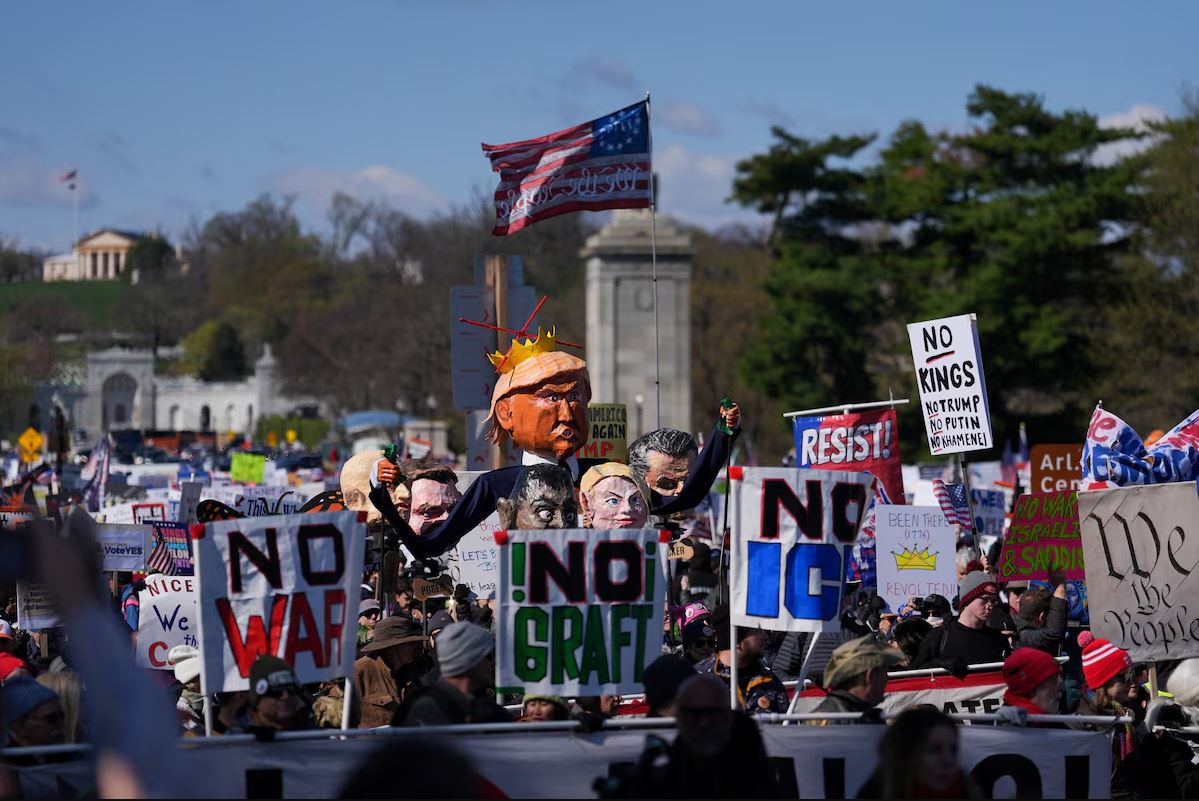

WASHINGTON, D.C. / MINNESOTA: Tens of thousands of demonstrators across the United States took part in the third edition of the “No Kings” rallies on Saturday, protesting President Donald Trump’s domestic and foreign policies. Organizers plan more than 3,200 events nationwide, with participants in all 50 states, and hope the mobilization will become the largest single-day nonviolent protest in U.S. history.
Major rallies were expected in Minnesota, New York, Los Angeles, and Washington, D.C., while nearly two-thirds of events occurred outside major city centers—a nearly 40% increase for smaller communities compared to the movement’s first mobilization last June. Singers Bruce Springsteen and Joan Baez were set to headline a Minnesota rally, where upwards of 100,000 people were expected to gather.
Protests Driven by Multiple Concerns
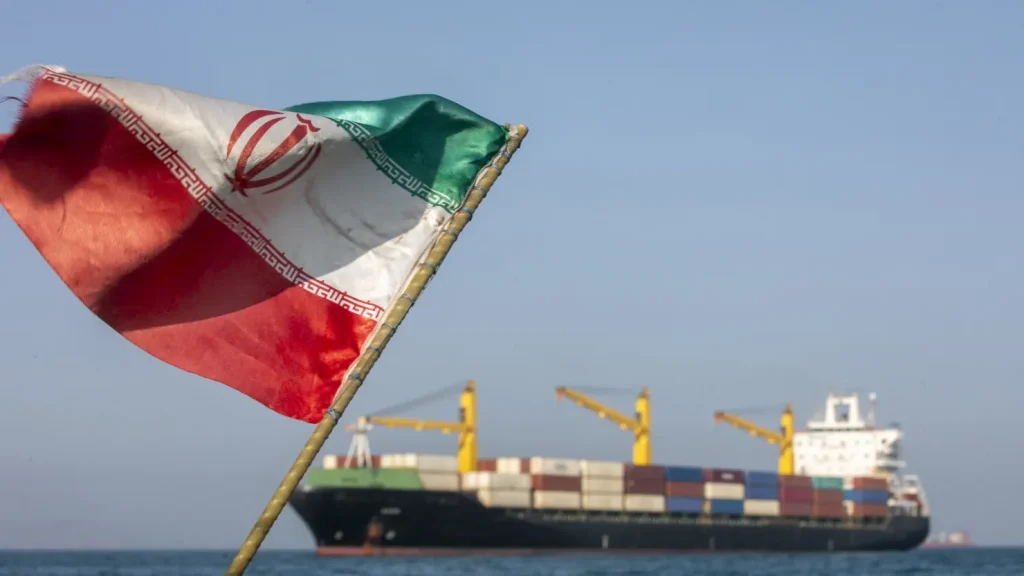
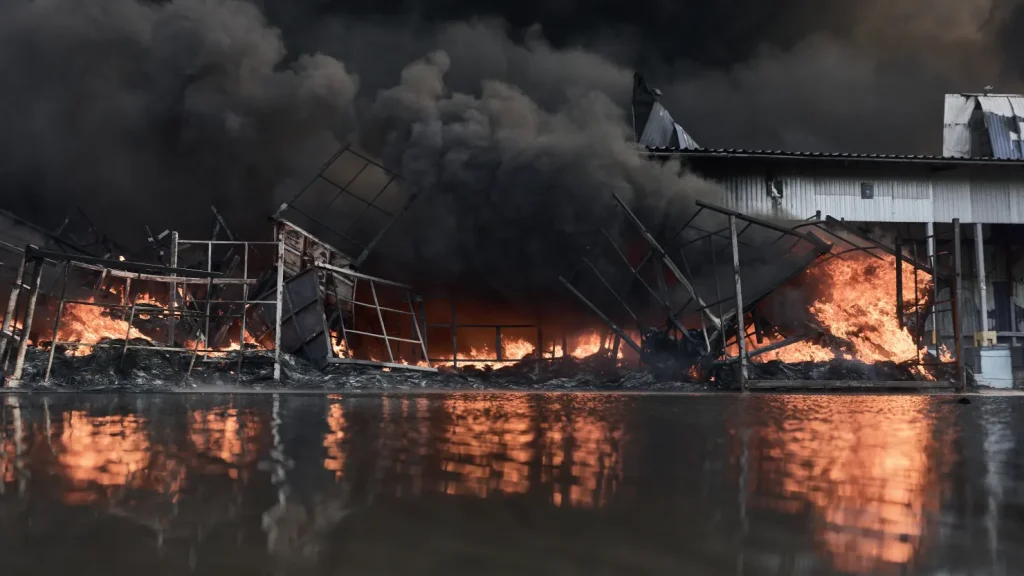
The demonstrations were fueled by opposition to Trump’s immigration policies, including crackdowns in Democratic-led urban centers, as well as public backlash against U.S. military strikes in Iran. Organizers said the rallies were a call to action against the ongoing four-week conflict, now in its fifth week, which has seen U.S.-Israeli operations targeting Iranian infrastructure.
Leah Greenberg, co-founder of Indivisible, the group behind No Kings, emphasized the geographic breadth of the protests. “The defining story of this Saturday’s mobilization is not just how many people are protesting, but where they are protesting,” she said, highlighting participation in deep Republican strongholds such as Idaho, Wyoming, Montana, and Utah, as well as competitive suburban areas in Pennsylvania, Georgia, and Arizona.
Voices from the Protests
In northern Virginia, near Arlington National Cemetery, several hundred protesters marched toward the National Mall in Washington, D.C. Supporters honked in solidarity, while some motorists criticized the demonstrators. John Ale, 57, a retired contractor from Virginia, said, “What’s happening in this country is unsustainable. The middle class can’t afford to live anymore, and he [Trump] is breaking the norms that make our country function.”
Morgan Taylor, 45, who attended the Washington protest with her 12-year-old son, denounced the U.S.-Israeli strikes in Iran. “Nobody’s attacking us,” she said. “We don’t need to be there. This is a stupid war.”
Movement Growth and Political Implications
The No Kings movement began last year on Trump’s birthday, June 14, and drew an estimated 4–6 million participants across roughly 2,100 sites. Its second mobilization in October involved about 7 million people in more than 2,700 cities, fueled by opposition to a government shutdown, federal immigration crackdowns, and National Guard deployments.
This third edition represents a surge in grassroots activism ahead of the midterm elections, signaling heightened voter engagement and potential political ramifications for the Republican Party. White House spokeswoman Abigail Jackson dismissed the rallies as “Trump Derangement Therapy Sessions,” noting their media appeal but questioning broader political impact.
Organizers, however, stressed the role of these protests in converting activism into political action, including voter registration, door-to-door outreach, and community organizing, particularly in swing states and suburban districts that often determine national election outcomes.