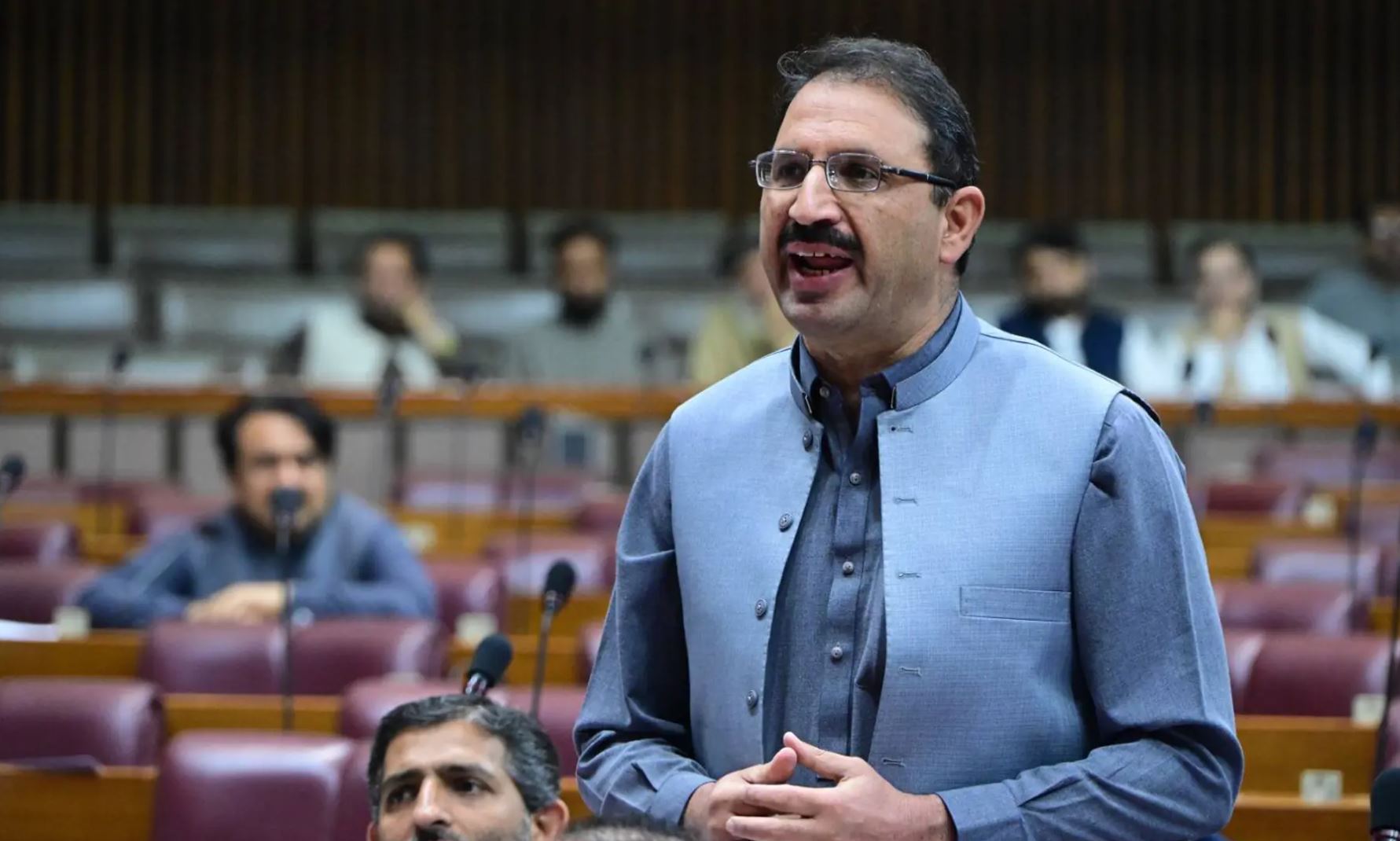

ISLAMABAD: The National Assembly of Pakistan session on Friday was adjourned without any progress after opposition members staged a strong protest against a massive increase in fuel prices.
The government had announced a sharp rise in petroleum prices late Thursday night, increasing petrol by 43% and high-speed diesel (HSD) by 55%.
- Petrol price: Rs458.4 per litre
- Diesel price: Rs520.35 per litre
The hike comes amid a global fuel crisis linked to the ongoing conflict in the Middle East.
⚠️ Session Disrupted by Protests


Opposition members began protesting before the session officially started, chanting slogans such as:
- “Thief government unacceptable”
- “Looter government unacceptable”
They:
- Surrounded the speaker’s podium
- Tore copies of the agenda
- Demanded to speak on the fuel price hike
Due to the chaos, no business was conducted, and the planned 90-point agenda could not be taken up.
🏛️ Speaker’s Response
Deputy Speaker Ghulam Mustafa Shah tried to control the situation and assured members they would be allowed to speak later.
However, protests continued, forcing him to adjourn the session until Monday.
At one point, he warned:
“You cannot dictate the chair like this.”
🗣️ Opposition Criticism
Pakistan Tehreek-e-Insaf leader Junaid Akbar criticised the government, calling it:
- “Incompetent”
- “Corrupt”
He described the price hike as a “petrol bomb” on the public.
📰 Journalists’ Concerns Raised
Another issue discussed was the protest by journalists over:
- Job layoffs
- Delayed salaries
- Low wages
A delegation including Shazia Marri, Aqeel Malik, and Monazza Hassan met journalists and assured them their concerns would be addressed.
Journalists also raised concerns about:
- Non-payment of salaries for months
- Removal of railway ticket discounts
🌍 Background: Fuel Price Crisis
The price hike is linked to rising global oil prices due to tensions in the Middle East. This has increased economic pressure on Pakistan, already facing inflation challenges.
🧭 Conclusion
The disruption in the National Assembly highlights growing political tension over rising fuel prices and economic pressure on citizens.
With no legislative work completed, the issue is expected to dominate upcoming sessions as both government and opposition face mounting public pressure.