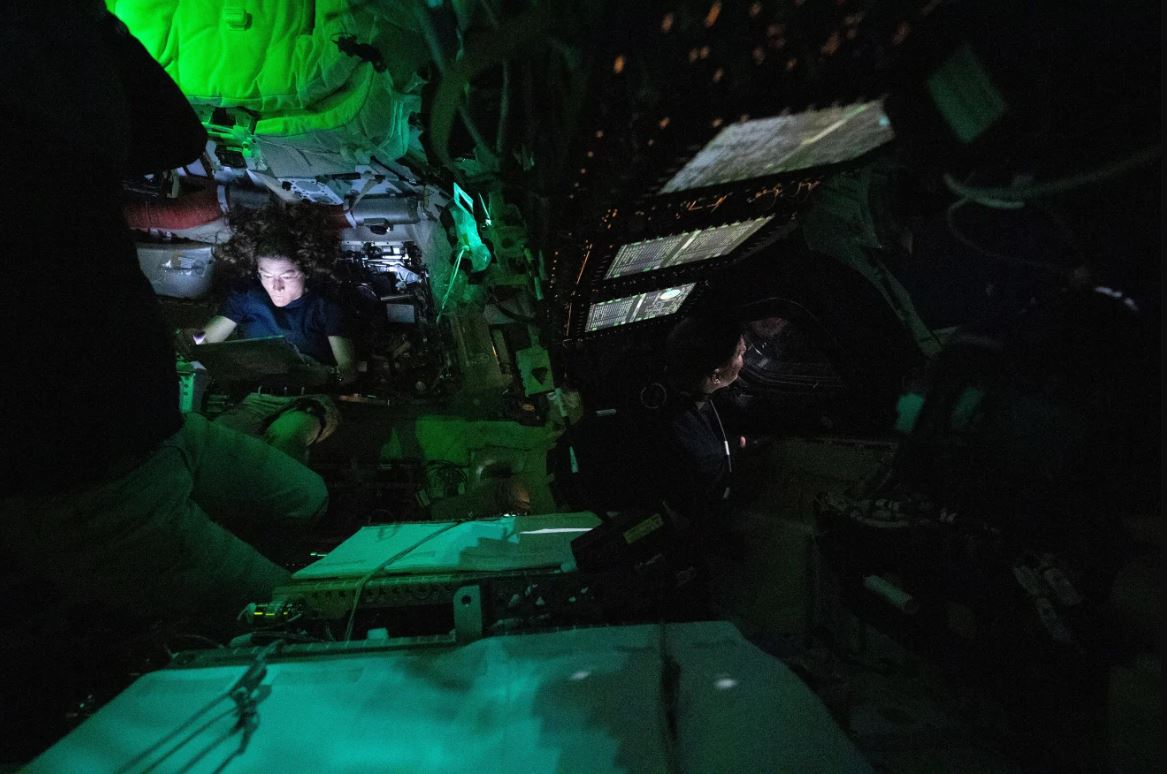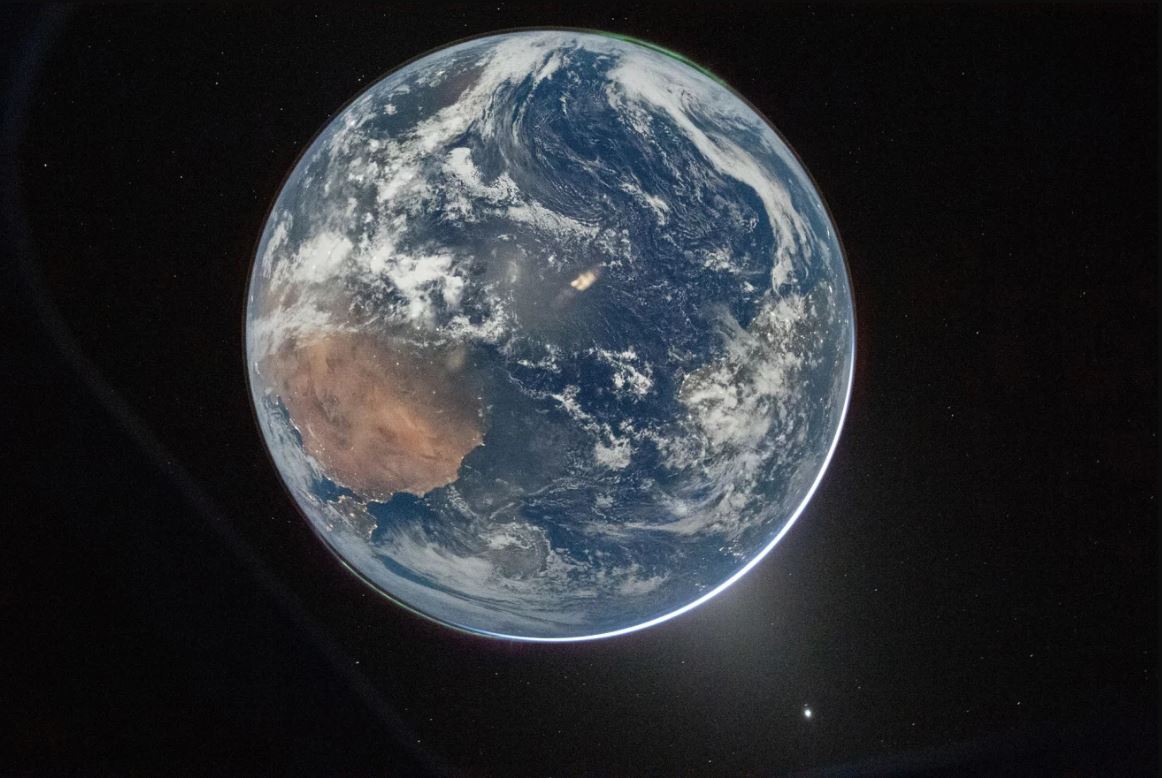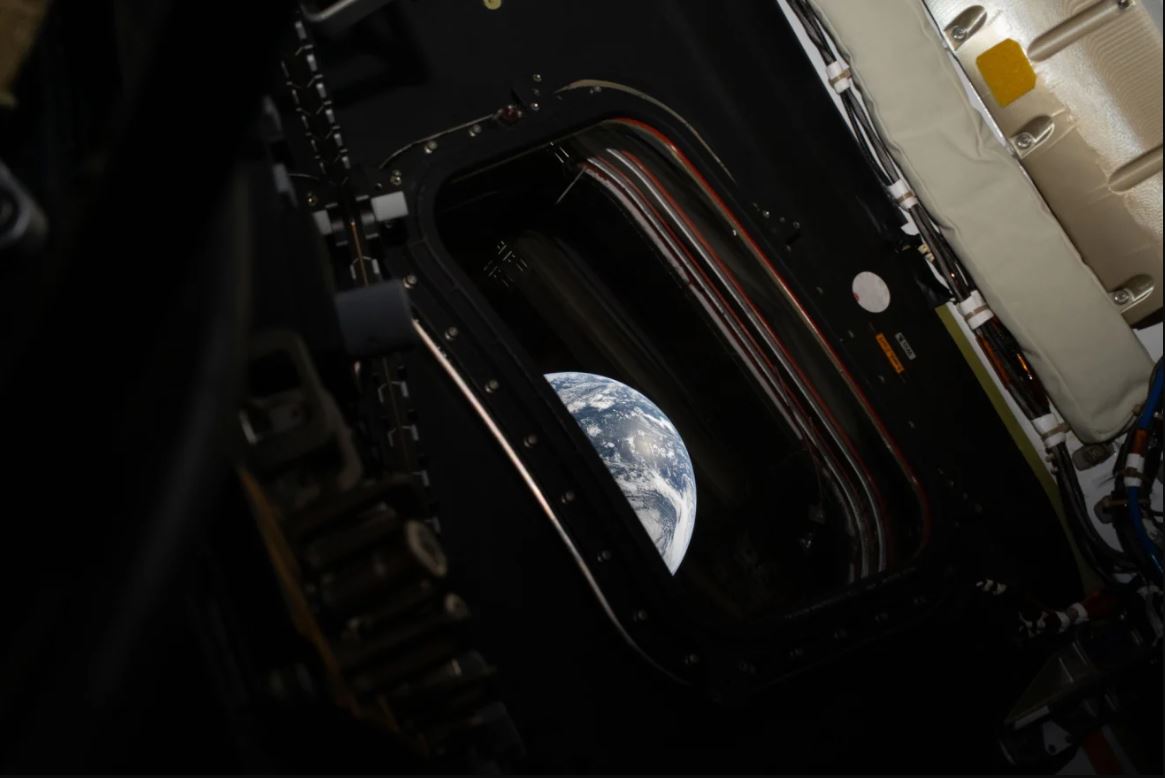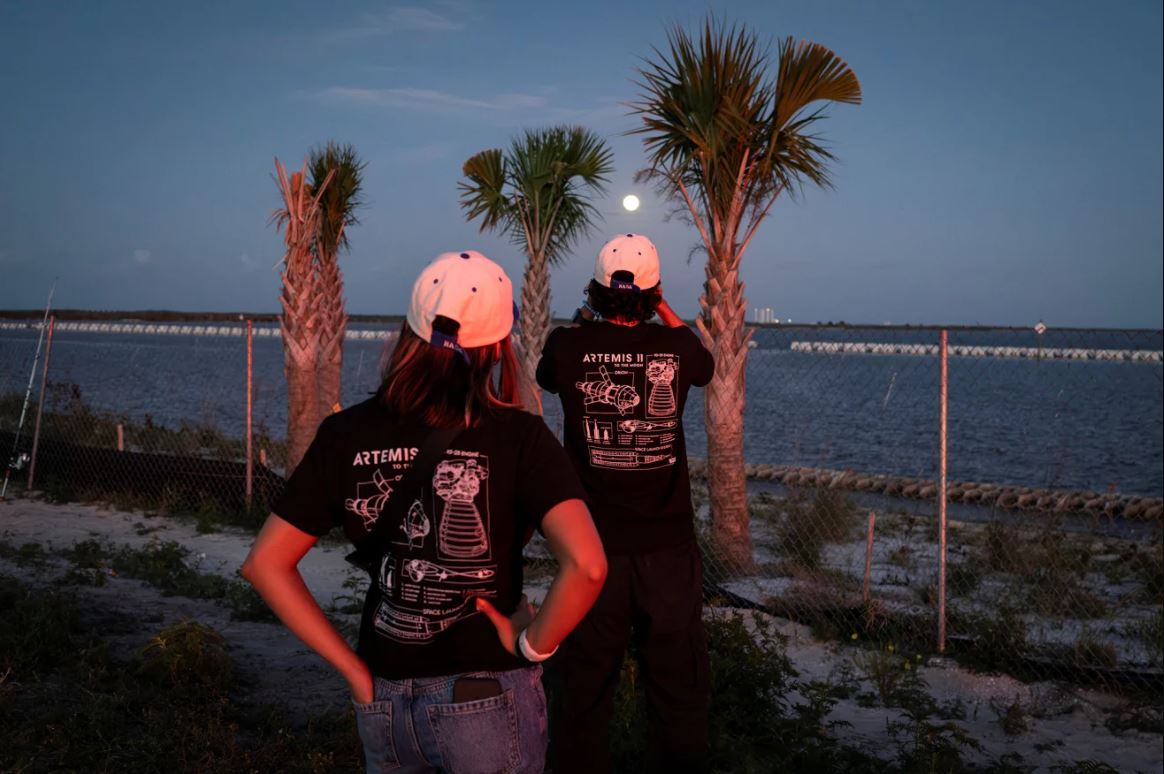

NASA’s Artemis II mission achieved a milestone in human space exploration during its historic lunar flyby, coming within just 4,067 miles of the moon and traveling an estimated 252,756 miles from Earth — surpassing Apollo 13’s record for the farthest humans have traveled into space.
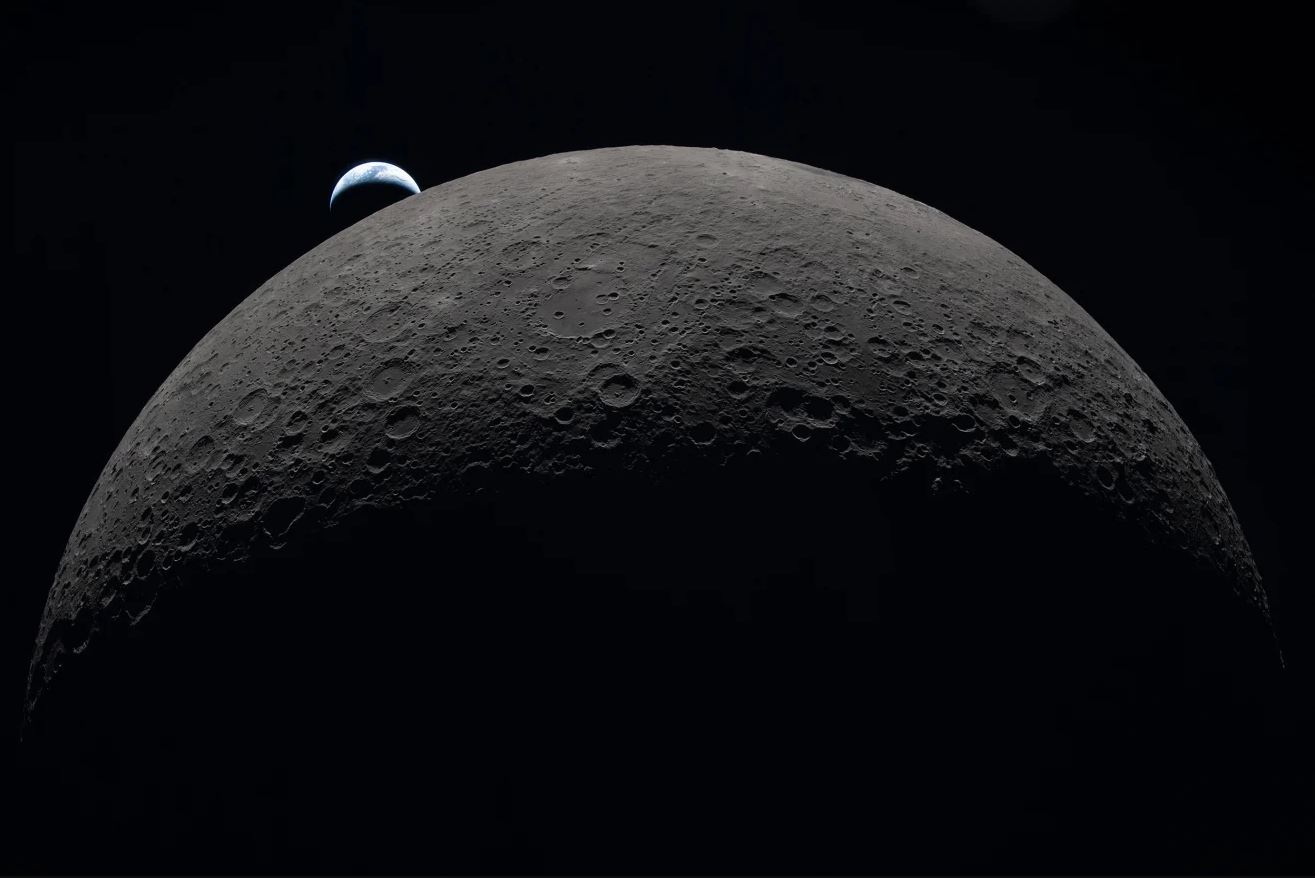
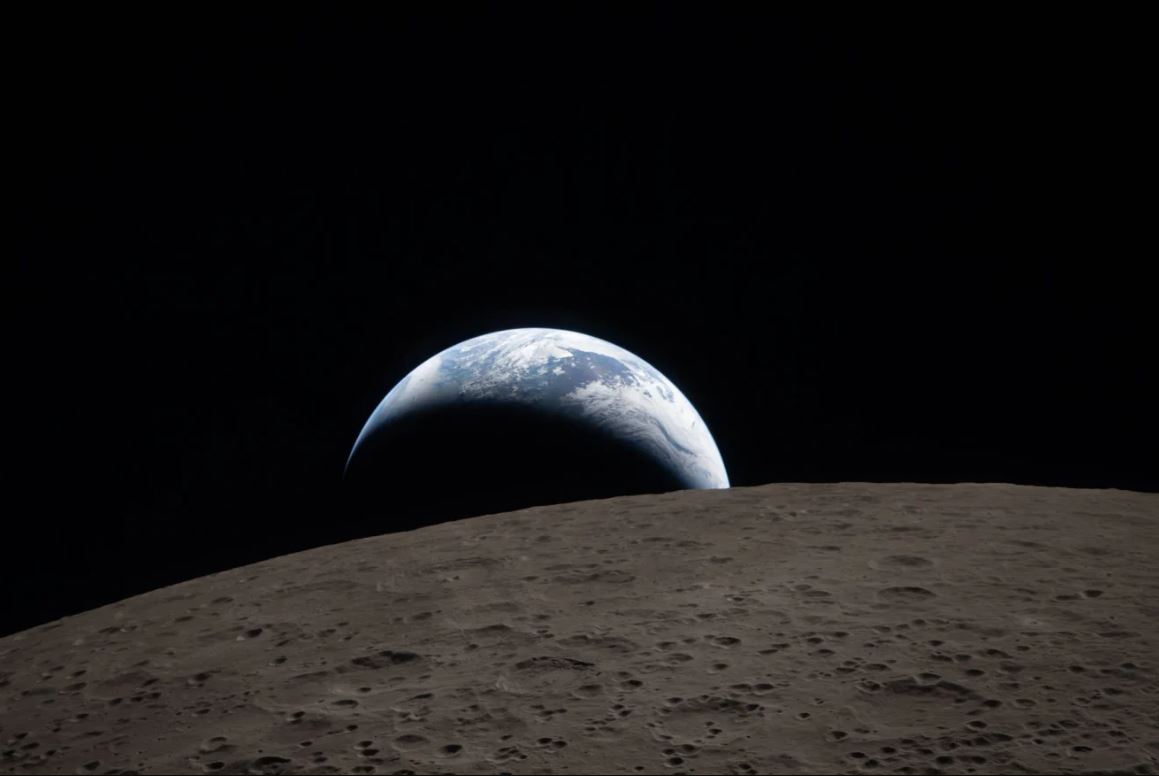
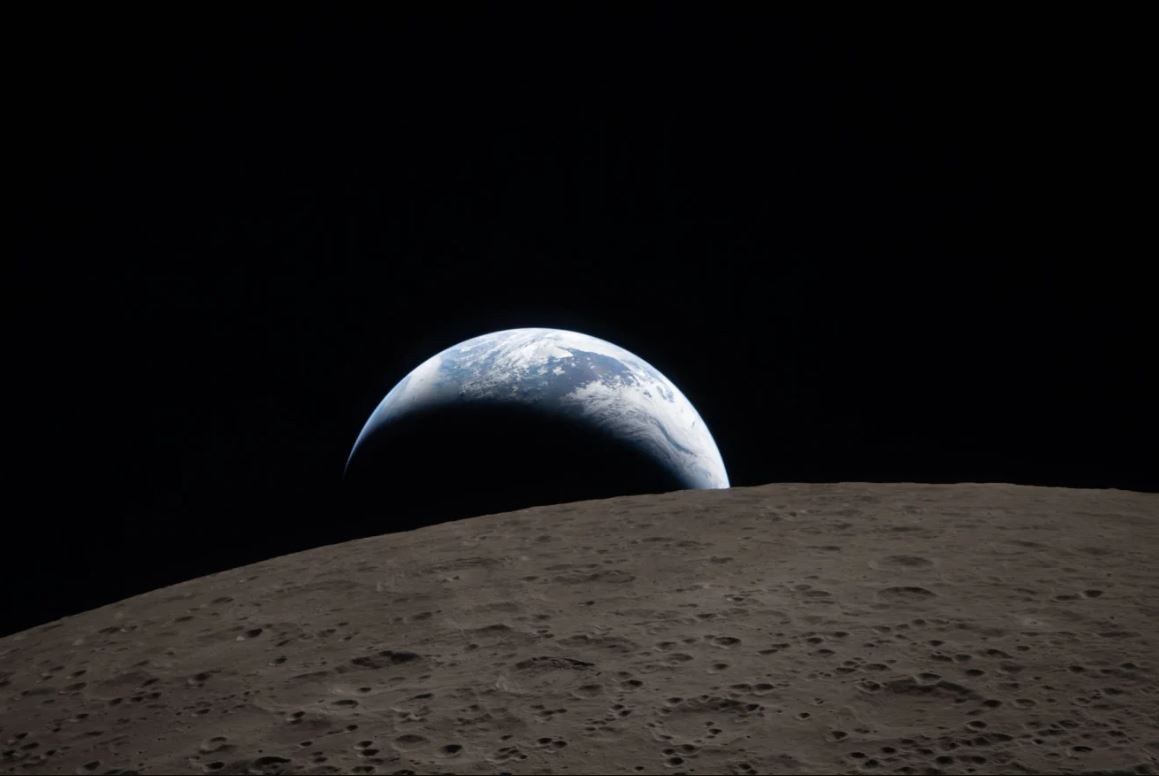
Earth sets behind the moon on Monday, April 6, during the lunar flyby of the Artemis II mission. NASA
The seven-hour flyby allowed astronauts Reid Wiseman, Victor Glover, Christina Koch, and Canadian Space Agency astronaut Jeremy Hansen to capture approximately 10,000 images, offering unprecedented views of the lunar surface. About 21% of the moon’s far side was illuminated during their passage, revealing features previously unseen by human eyes.
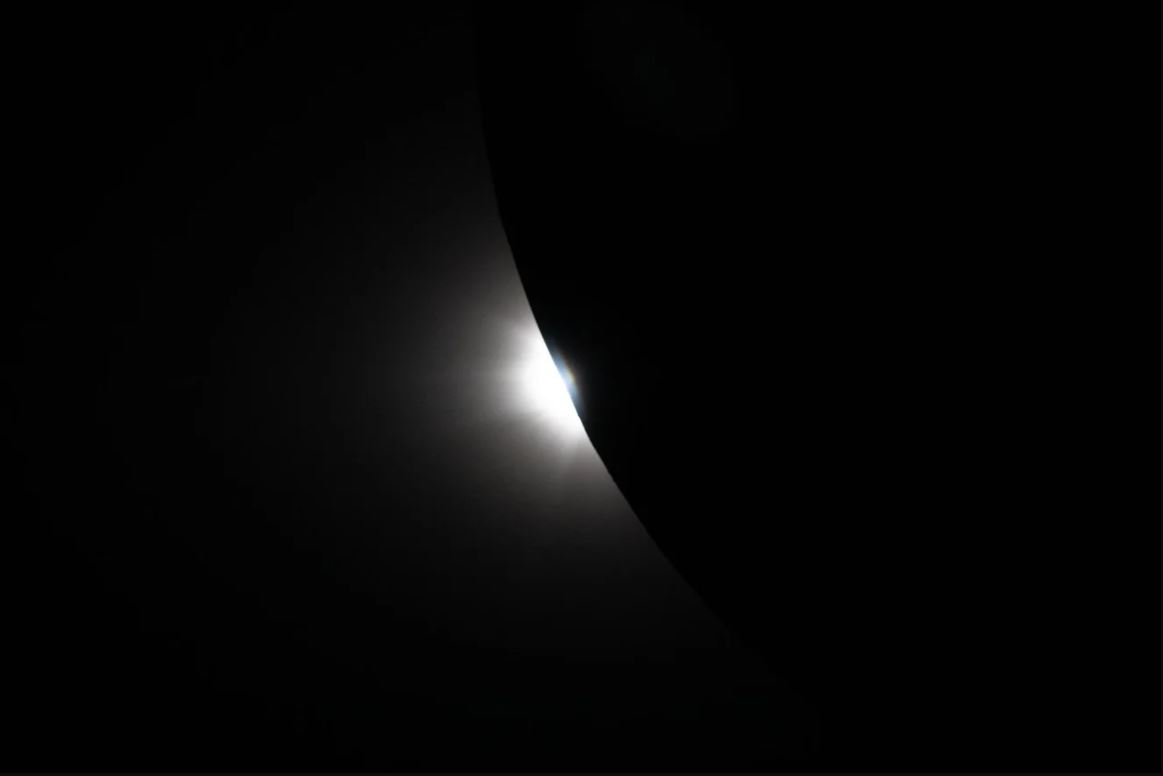
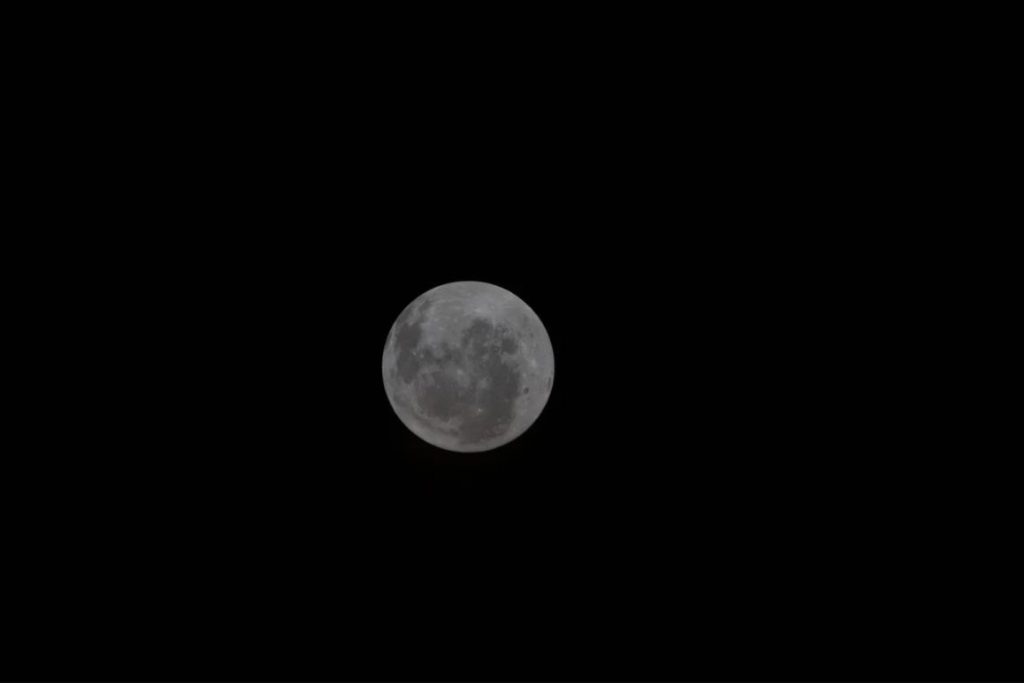
Sunlight appears from behind the moon as totality ends from the crew’s perspective. NASA
During Orion’s transit behind the moon, communications were briefly interrupted for 40 minutes, but the crew observed an awe-inspiring “Earthset,” as Earth appeared to set beyond the lunar horizon — a moment reminiscent of the Apollo missions.
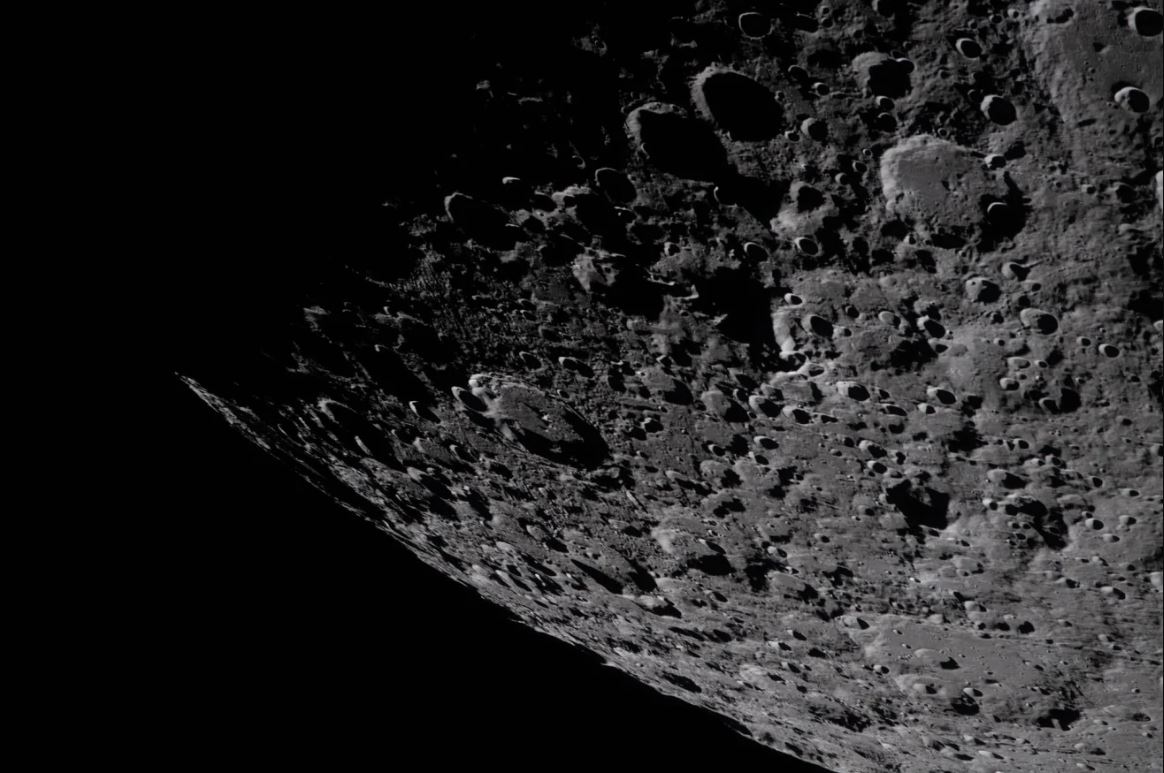
The eastern edge of the South Pole-Aitken basin, the largest and oldest on the moon, was glimpsed by Artemis II’s crew. NASA
The astronauts identified craters and geological formations including the Hertzsprung Basin, visible as two concentric rings, and the Orientale Basin, one of the moon’s youngest large impact craters. For the first time in history, they suggested names for two small craters: Integrity, honoring their Orion spacecraft, and Carroll, commemorating Artemis II Commander Reid Wiseman’s late wife, Carroll Taylor Wiseman. A moment of silence followed in NASA Mission Control as the crew reflected on the tribute.
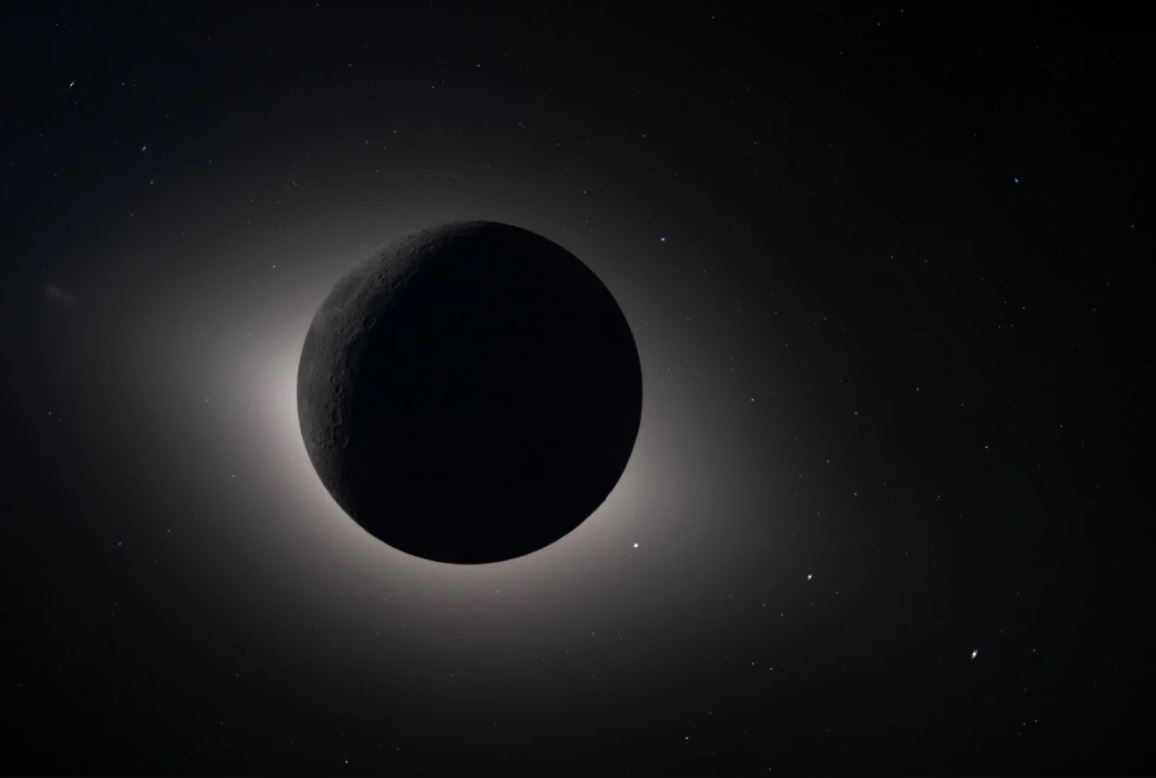
Totality, beyond Earth. From Artemis II’s vantage point, the moon eclipses the sun, revealing a view few in human history have ever witnessed. NASA
A special highlight of the mission was a solar eclipse observed from lunar orbit. The astronauts witnessed the sun’s corona for nearly an hour, far longer than eclipses typically seen on Earth, while also observing planets like Mars, Venus, and Saturn, along with Earthshine.
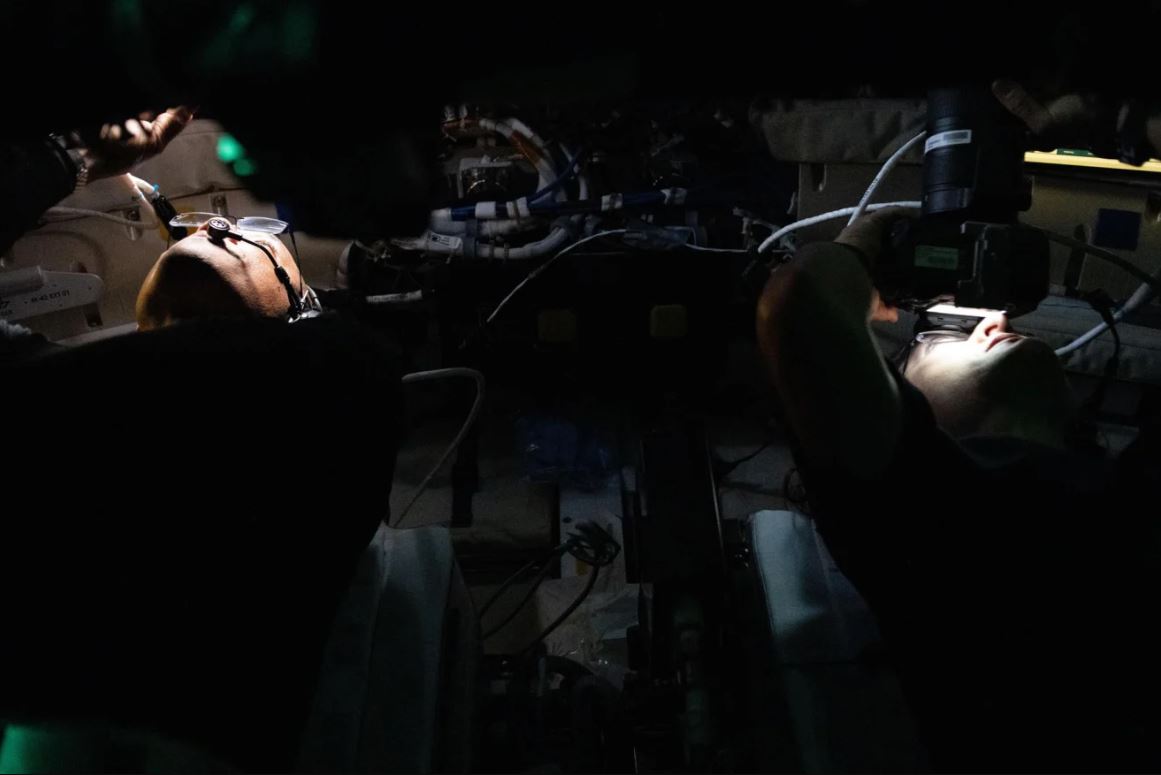
Astronauts Victor Glover, left, and Christina Koch take photos of the lunar surface during the lunar flyby. NASA
The Artemis science team guided the astronauts to document lunar features such as ancient lava flows, impact craters, and other formations critical to understanding the moon’s origins.
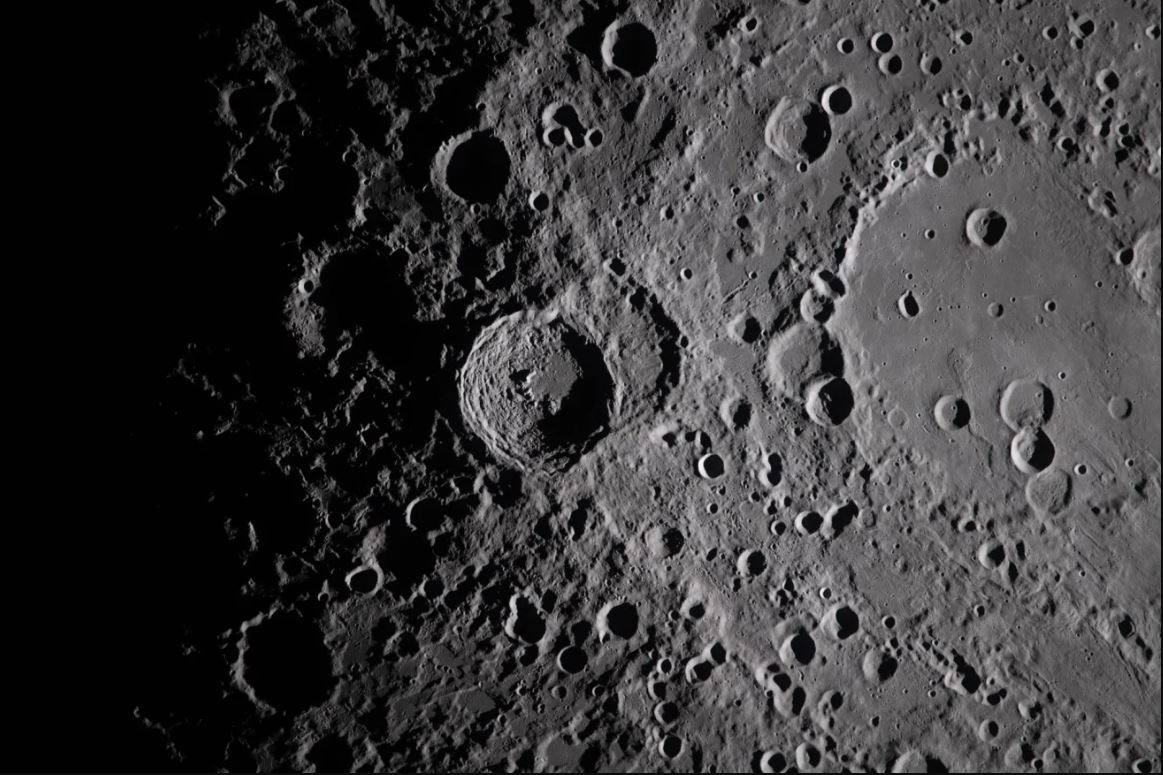
A close-up view of the Vavilov Crater, on the rim of the older and larger Hertzsprung basin. NASA
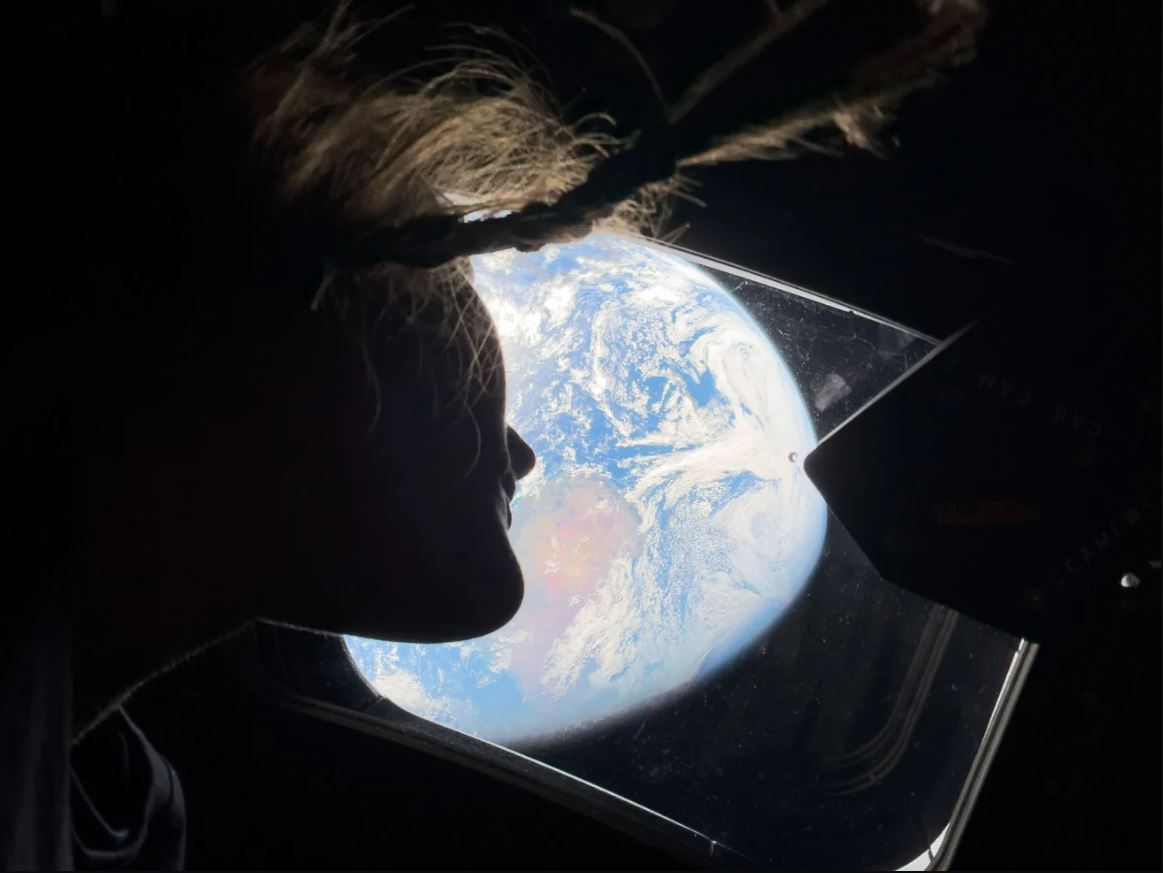
“This mission brought the moon closer to humanity and provided truly human experience moments,” said Commander Reid Wiseman. Canadian astronaut Jeremy Hansen added, “Looking back at Earth from the far side of the moon really bends your mind — it was extraordinary.”
The images and data collected are expected to advance lunar science, inform future surface missions, and inspire a new generation of explorers.
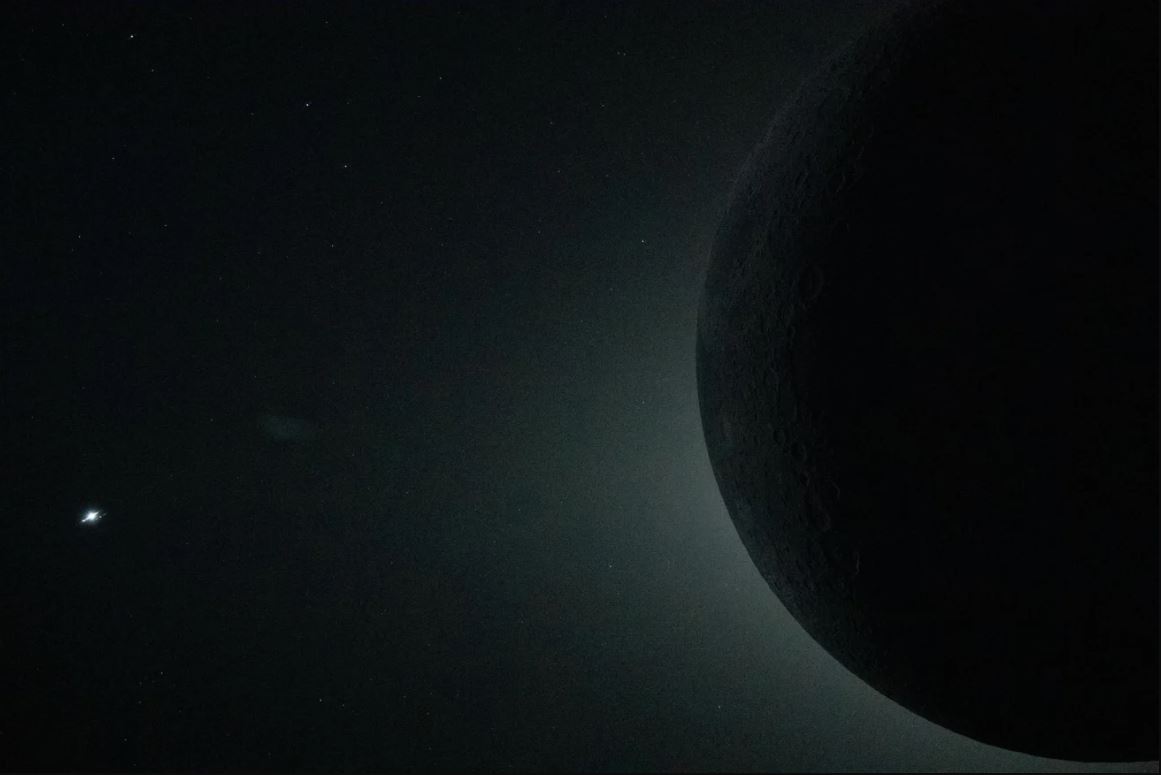
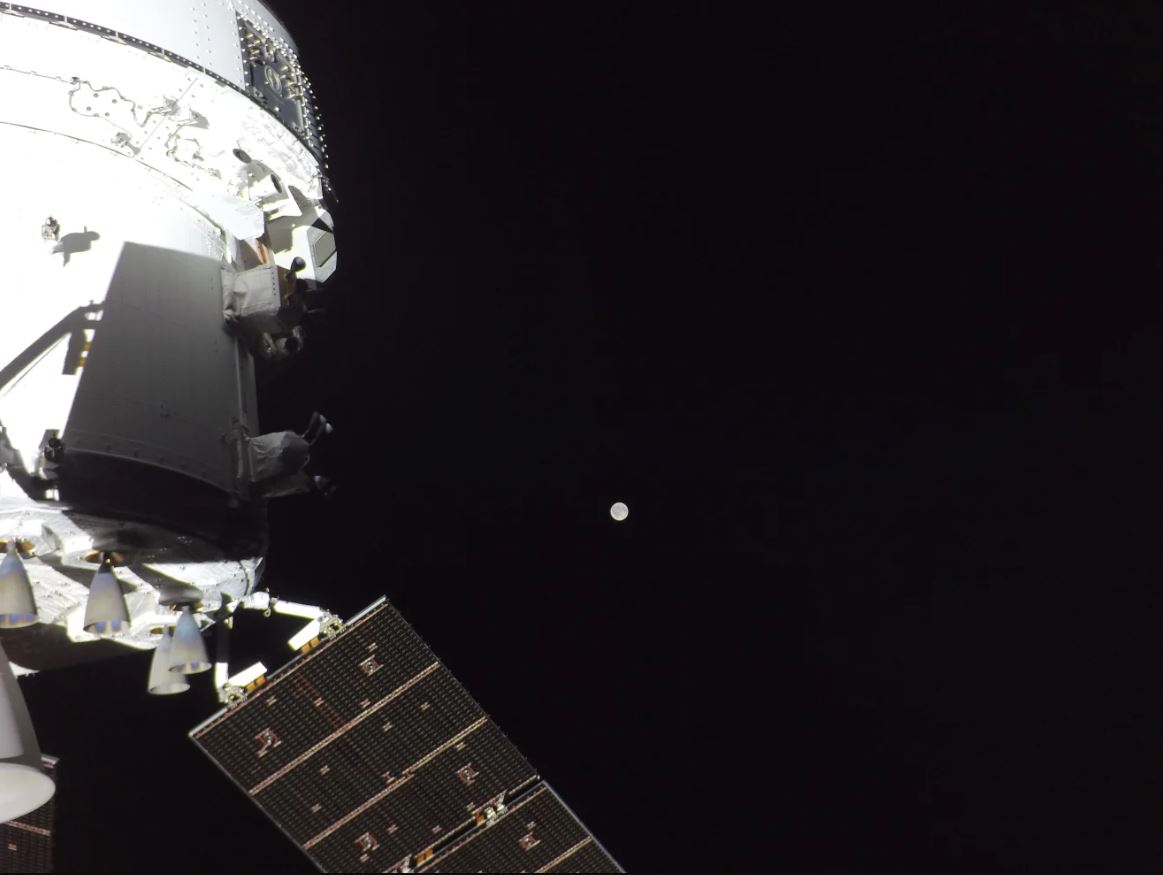
Part of the moon is visible as the Artemis II crew witnesses a solar eclipse. To the left is bright Venus. NASA