
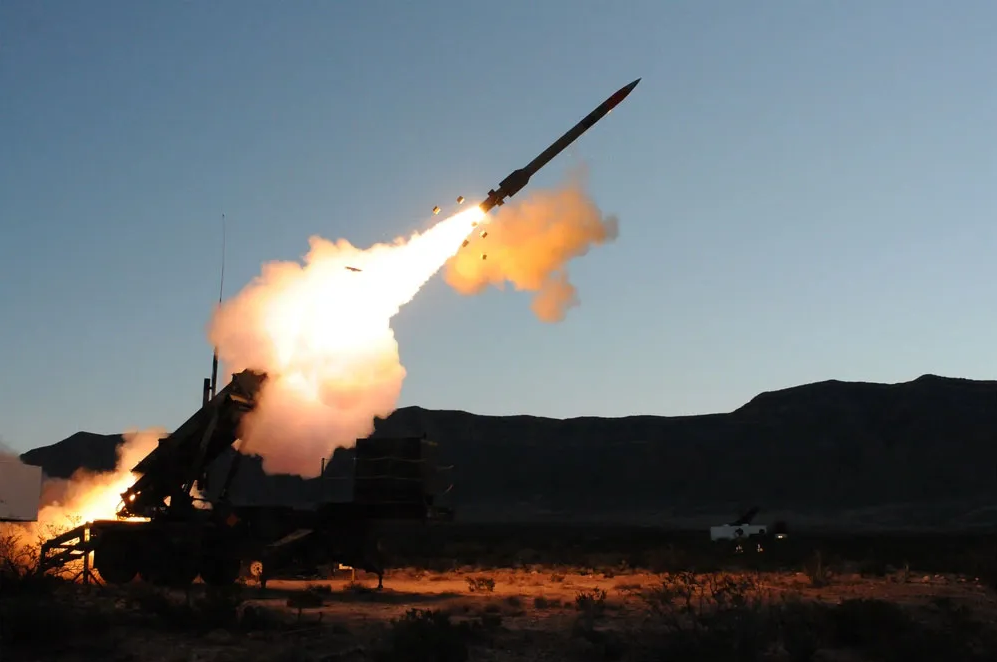

NATO Intercepts Iranian Missiles as Regional Conflict Spreads Across Middle East
The ongoing conflict involving Iran, the United States, and Israel has intensified further, with reports that NATO forces intercepted Iranian missiles in Turkish airspace, signaling a dangerous expansion of hostilities.
The escalation follows large-scale joint U.S.-Israeli strikes launched on February 28 targeting key Iranian military and government sites. The strikes reportedly killed Iran’s Supreme Leader Ali Khamenei, after which his son, Mojtaba Khamenei, was named as his successor.
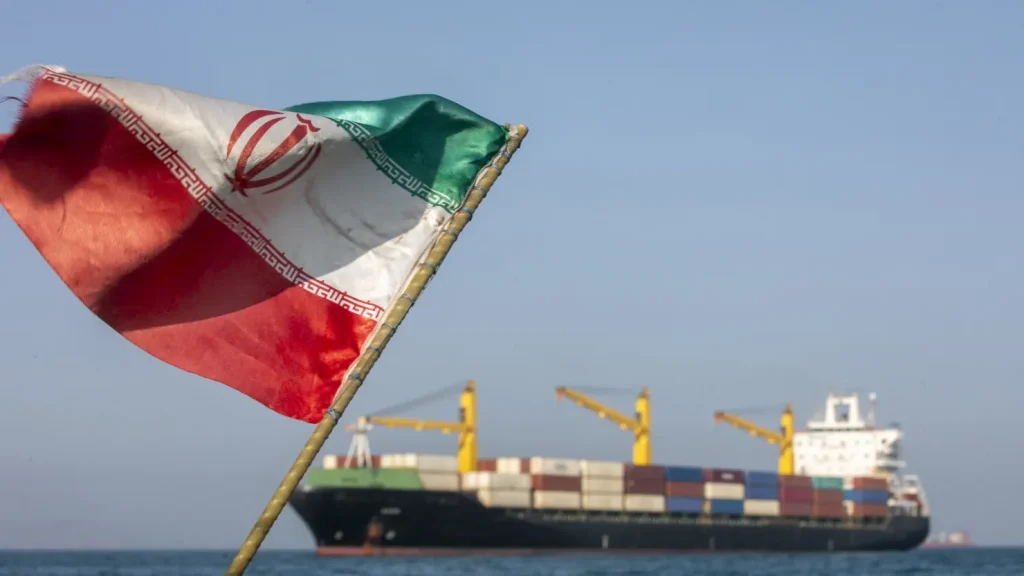
In response, Iran has launched waves of missile and drone attacks targeting Israel, U.S. bases in the region, and several Gulf nations. Tehran has also attempted to disrupt global energy flows by targeting shipping routes near the Strait of Hormuz, a critical corridor for international oil supplies.
Tanker Attack Near Dubai Raises Alarm
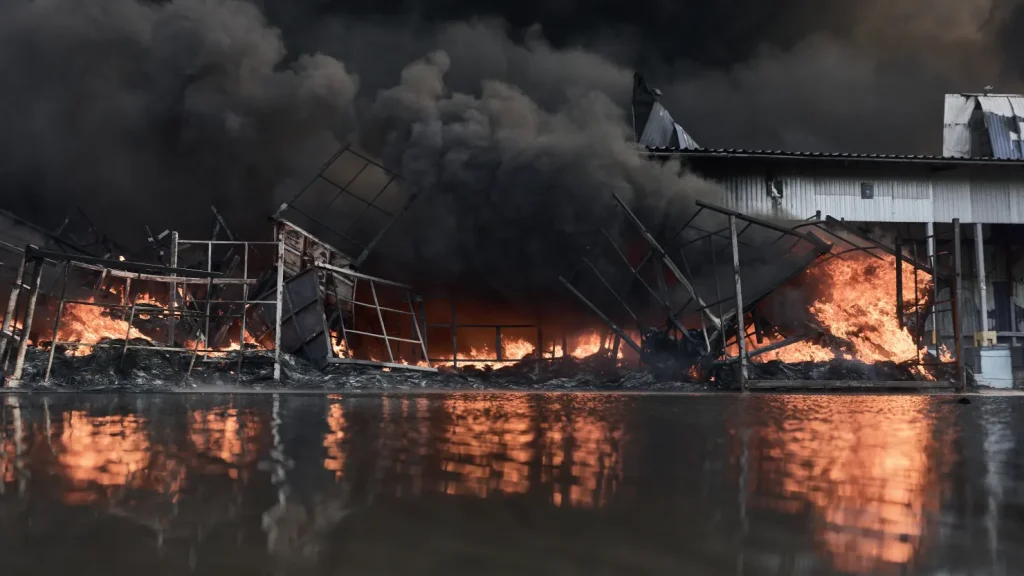
Tensions escalated further after a Kuwaiti oil tanker was struck near Dubai. According to maritime authorities, the vessel — identified as Anchorage “E” — was hit by a drone, sparking a fire that burned for several hours.
Emergency teams successfully extinguished the blaze, and all 24 crew members were reported safe. The incident occurred approximately 31 nautical miles northwest of Dubai, near the strategically vital Strait of Hormuz.
The UK Maritime Trade Operations confirmed the tanker was struck by an “unknown projectile” and has advised vessels in the area to exercise extreme caution.
Global Powers React as Conflict Widens
The growing conflict has drawn increasing international involvement. U.S. President Donald Trump has suggested that Middle Eastern allies such as Kuwait, Saudi Arabia, and the United Arab Emirates could be asked to contribute financially to the war effort.
Meanwhile, Israel has intensified its military campaign against Iran-backed Hezbollah forces in Lebanon, expanding both airstrikes and ground operations in the region.
Rising Global Concerns
The conflict is now impacting global energy security and trade routes, with fears of further disruption in oil supplies. Analysts warn that continued escalation could have severe consequences for the global economy and regional stability.
As multiple fronts remain active and diplomatic efforts appear limited, the situation continues to evolve rapidly, raising concerns of a broader regional war.






One Response