

Patients Raise Alarm Over Little-Understood Skin Condition Linked to Steroid Creams
A growing number of patients are speaking out about a severe and poorly understood skin condition known as Topical Steroid Withdrawal (TSW), prompting fresh debate within the medical community.
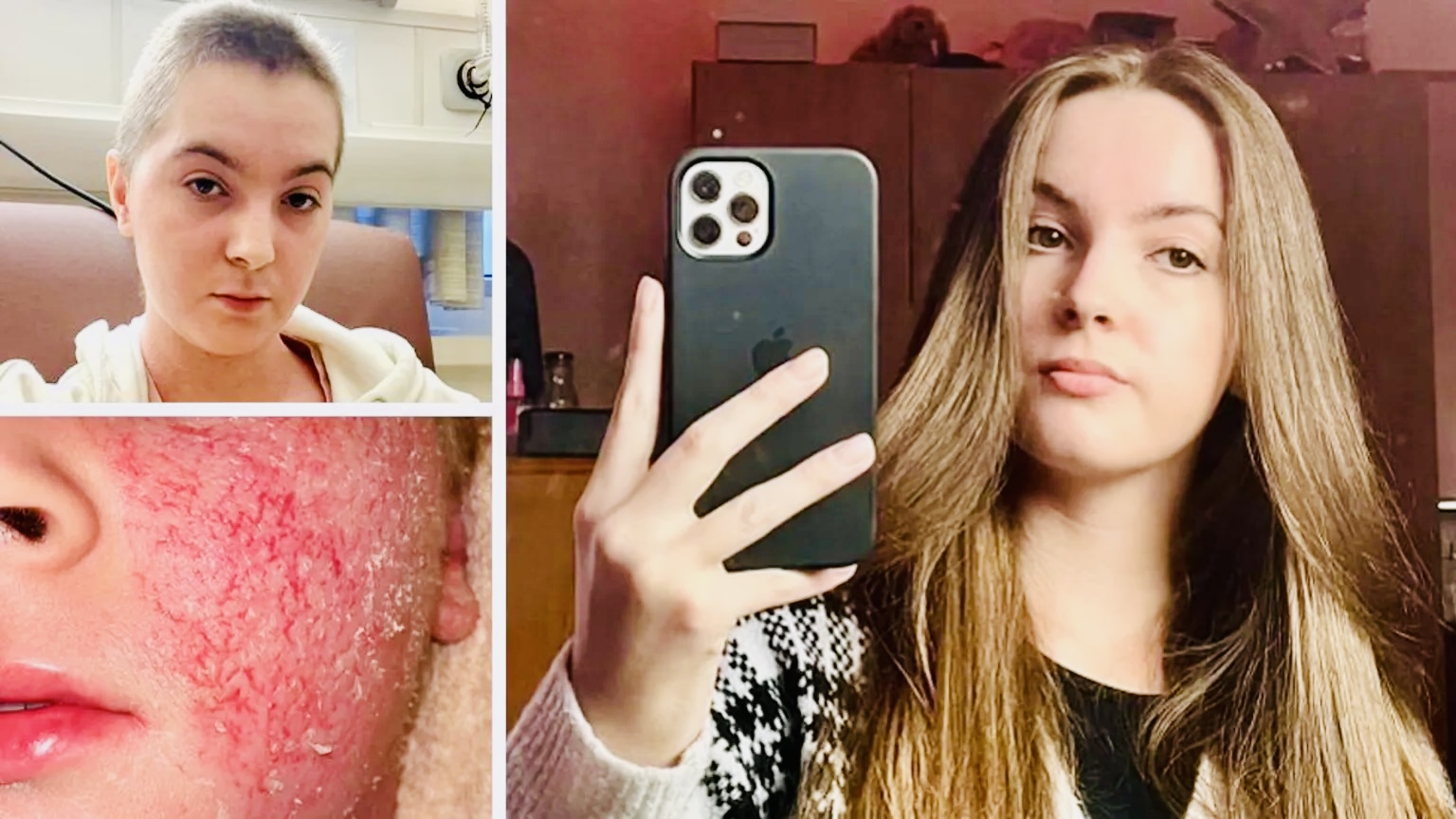
Among them is 21-year-old Bethany Gamble from Birmingham, who says her condition worsened dramatically after years of using steroid creams to manage eczema.
Initially prescribed topical steroids at the age of two, Bethany’s eczema remained manageable for years. However, at 18, her symptoms escalated rapidly, spreading across her body and becoming intensely painful.
“My skin was inflamed, cracking, and unbearable,” she said, describing how the condition eventually left her bedridden and dependent on family support.
Bethany also expressed frustration over what she describes as a lack of recognition from medical professionals. Despite her worsening symptoms, she says she was repeatedly told it was simply eczema and prescribed further steroid treatments.
A Contested Diagnosis
Topical Steroid Withdrawal, sometimes referred to as red skin syndrome, remains a controversial diagnosis. While some experts believe it is a reaction to prolonged use of steroid creams, others argue it may instead represent severe eczema flare-ups or related skin conditions.
The uncertainty has made diagnosis and treatment challenging, with many general practitioners and dermatologists lacking clear clinical guidelines.
Social Media Drives Awareness
The issue has gained significant traction online, particularly on platforms like TikTok, where the hashtag #TSW has garnered billions of views. Patients are sharing images and personal stories of inflamed, peeling skin, raising awareness and pushing for further research.
Calls for Research and Clarity
Although considered relatively rare, the increasing number of reported cases has prompted the first dedicated research efforts in the UK. Medical experts aim to better understand whether TSW is a distinct condition or part of a broader spectrum of skin disorders.
Meanwhile, patients like Bethany continue to advocate for recognition and improved care, highlighting the need for clearer medical guidance and more comprehensive research into the long-term effects of steroid treatments.
As the debate continues, the condition underscores a broader challenge in modern medicine—balancing widely used treatments with the need to understand their potential long-term consequences.