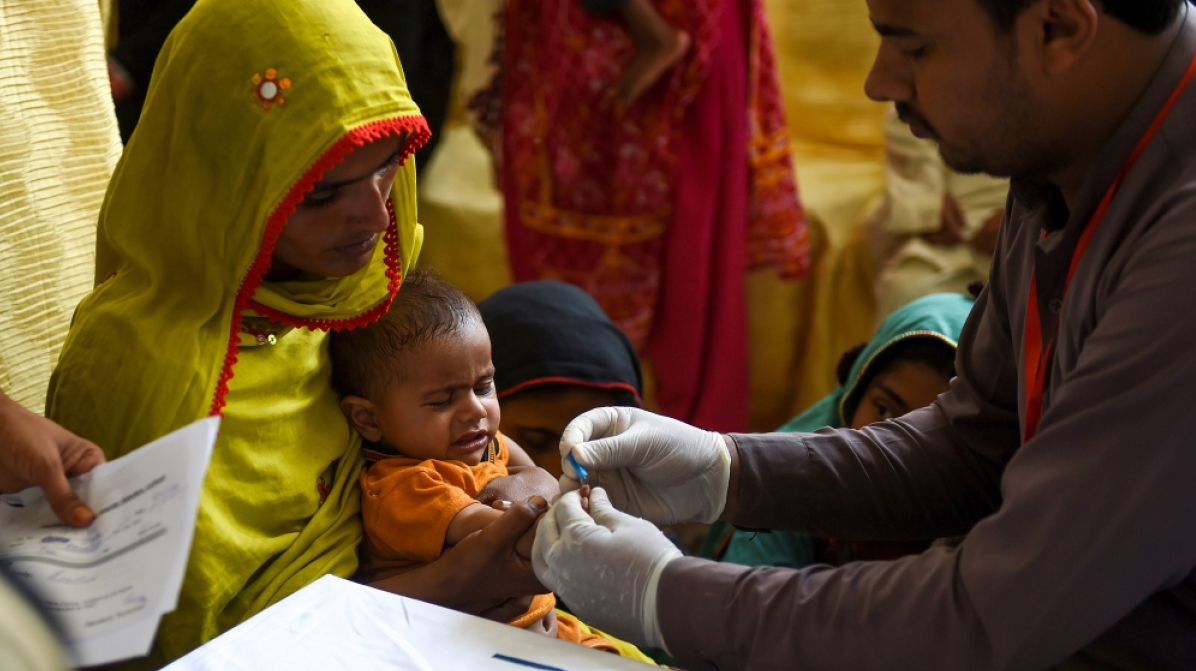

A shocking investigation has uncovered alarming medical negligence at THQ Taunsa Hospital, where unsafe injection practices are believed to be linked to a major outbreak of HIV among children in southern Punjab.
The tragedy is exemplified by the case of eight-year-old Mohammed Amin, who died shortly after testing positive for HIV. His sister, Asma, was also diagnosed with the virus. Their family believes both children contracted the infection through contaminated injections during routine treatment at the hospital.
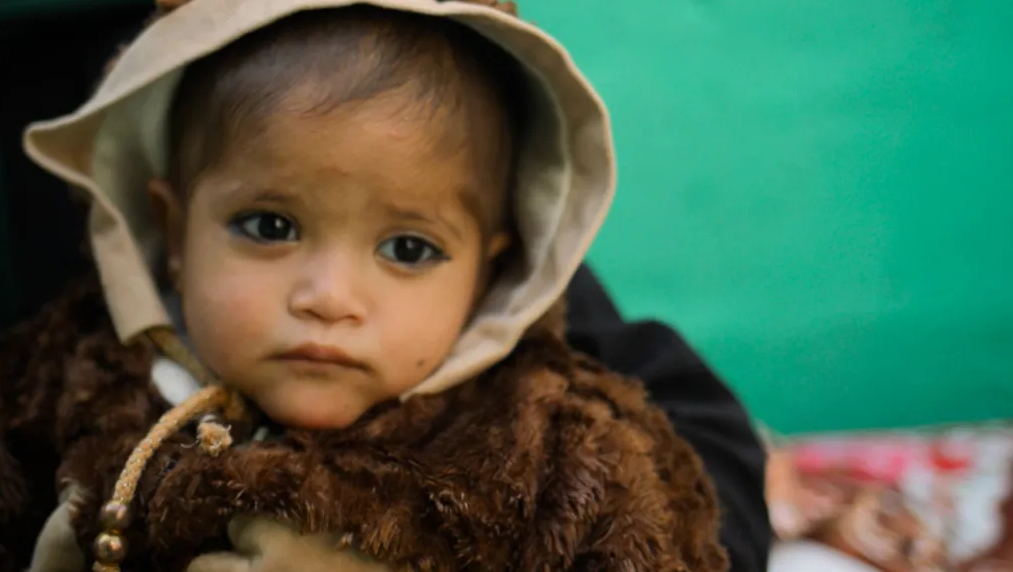
According to findings by BBC Eye, at least 331 children in Taunsa tested positive for HIV between November 2024 and October 2025. Evidence suggests that contaminated needles may have been a primary cause in a significant number of these cases.
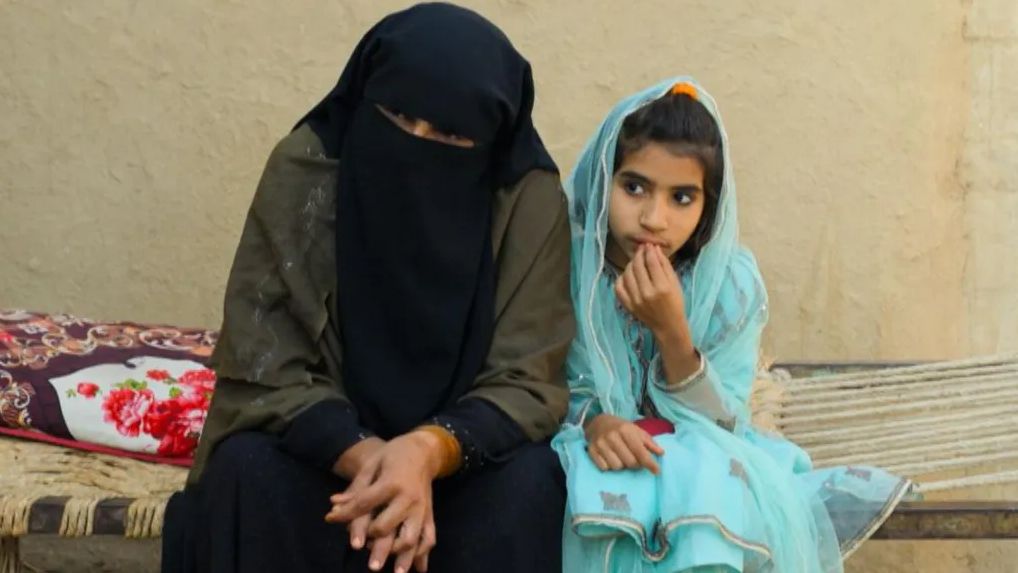
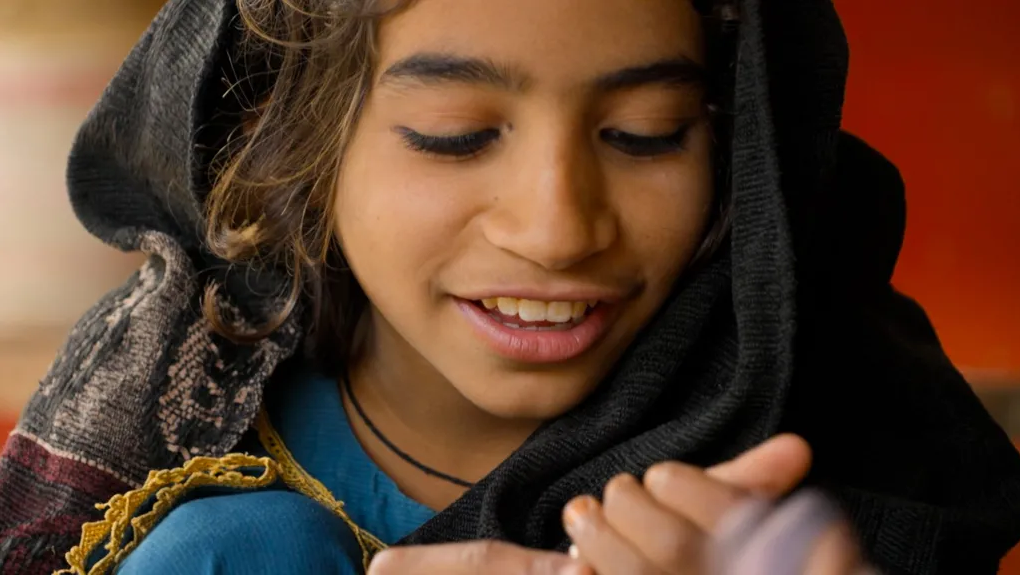
Asma, 10, was diagnosed with HIV despite her mother, Sughra, testing negative
🔍 Undercover Investigation Reveals Dangerous Practices
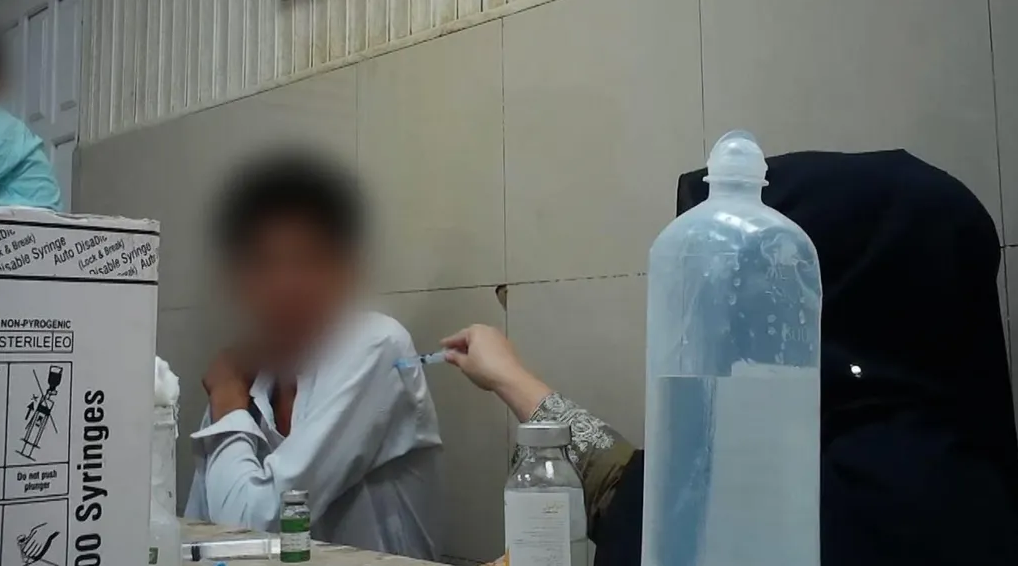
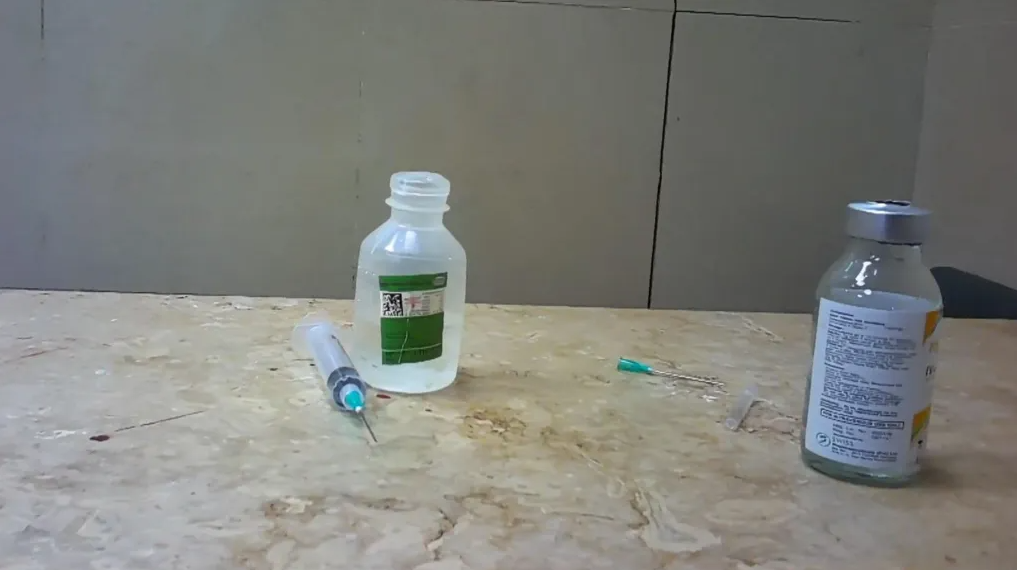
During 32 hours of undercover filming in late 2025, investigators documented repeated violations of basic medical safety protocols. Syringes were reused on multi-dose medicine vials on multiple occasions, raising the risk of cross-contamination.
Medical staff were also seen administering injections without sterile gloves dozens of times, while used medical equipment was mishandled in ways that violated infection control standards.
Experts warn that even replacing the needle does not eliminate the risk if the syringe body itself is contaminated. This means infections such as HIV can still be transmitted between patients.
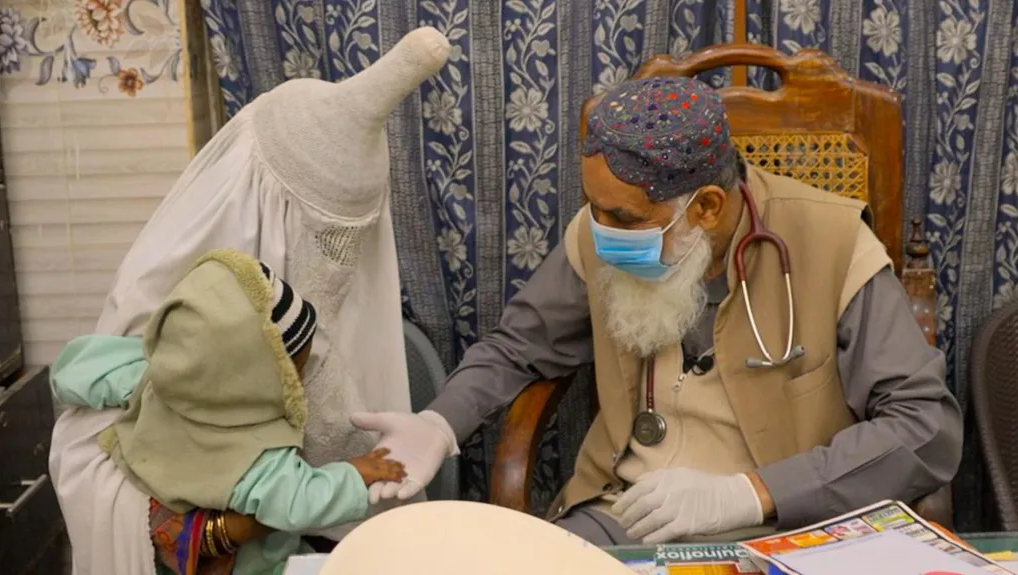
Dr Gul Qaisrani, a local private doctor, raised the alarm in late 2024
⚠️ Denials and Official Response
Despite the evidence, hospital officials have disputed the findings. Medical Superintendent Dr Qasim Buzdar questioned the authenticity of the footage and insisted that the hospital is safe.
Local authorities have also stated that there is no “conclusive epidemiological evidence” linking the hospital directly to the outbreak, pointing instead to other potential causes such as unregulated clinics and unscreened blood transfusions.
However, a leaked joint inspection report involving World Health Organization and UNICEF highlighted similar concerns, including unsafe injection practices, poor hygiene conditions, and shortages of essential medical supplies.
📊 A Systemic Healthcare Crisis
Health experts say the issue goes beyond a single hospital. Pakistan has one of the highest rates of unnecessary therapeutic injections globally, driven by both patient demand and medical practice.
Shortages of medical supplies and resource constraints in public hospitals further contribute to unsafe practices, with some staff reportedly forced to ration equipment.
Previous outbreaks, including one in Ratodero in 2019, have also been linked to unsafe medical procedures, indicating a recurring systemic problem.
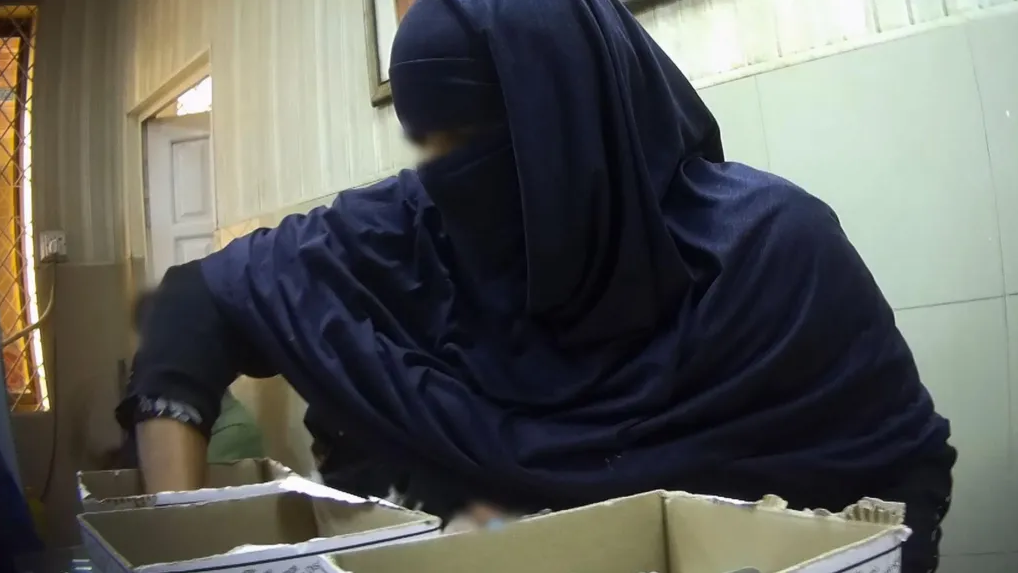
Our undercover footage shows a nurse rummaging through a medical waste disposal box with her bare hands
💔 Lives Changed Forever
For families like Asma’s, the consequences are devastating. Now living with HIV, she faces a lifetime of treatment and social stigma. Her family says she has become isolated, as other children are often not allowed to play with her.
Yet despite everything, Asma dreams of becoming a doctor — a powerful reminder of resilience in the face of tragedy.