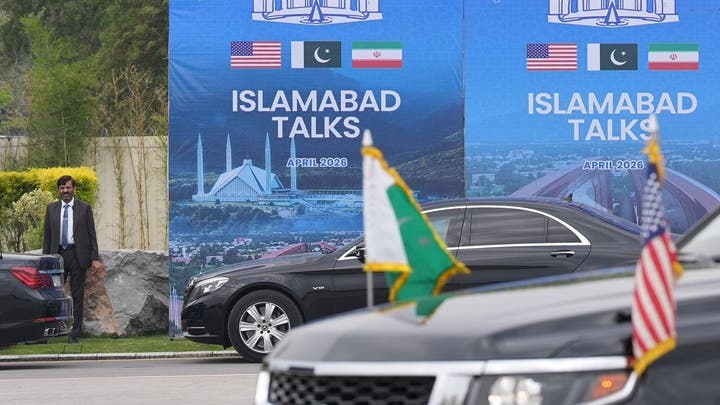

Pakistan has put forward a significant proposal to enhance maritime security in the region by suggesting joint patrols in the Strait of Hormuz during ongoing negotiations between the United States and Iran in Islamabad.
According to a diplomatic source cited by Al Jazeera Arabic, the talks between the US and Iranian delegations are being held directly, with active participation from Pakistani officials facilitating the dialogue.
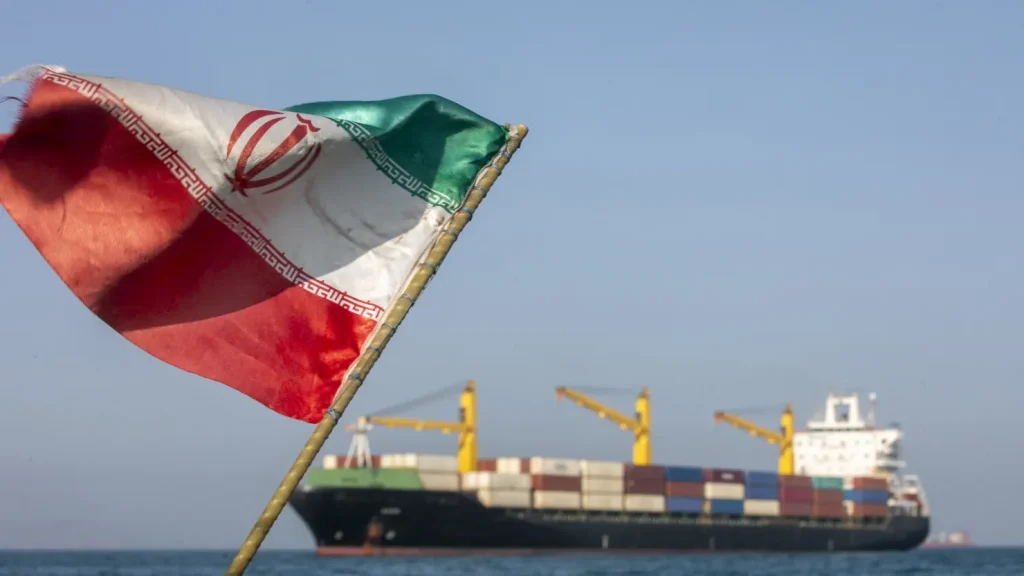
As part of its proposal, Pakistan has suggested a comprehensive framework aimed at regulating maritime navigation through the Strait of Hormuz — one of the world’s most critical oil transit routes. The proposal includes the introduction of joint patrols to ensure safe passage for commercial vessels and to prevent further escalation in the region.
The Strait of Hormuz holds immense global significance, as nearly a fifth of the world’s oil supply passes through this narrow waterway. Any disruption in its operations has immediate consequences for global energy markets and economic stability.
Pakistan’s proposal is being viewed as a proactive diplomatic effort to reduce tensions and build confidence between the conflicting parties. By advocating for joint patrols, Islamabad aims to create a cooperative security mechanism that involves multiple stakeholders and ensures transparency in maritime operations.
The suggestion comes at a time when the region remains on edge due to ongoing tensions and differing interpretations of the ceasefire agreement between Washington and Tehran. Ensuring uninterrupted navigation through the Strait of Hormuz remains a top priority for global powers.
Diplomatic observers say that Pakistan’s initiative reflects its growing role as a mediator in international conflicts and highlights its commitment to promoting peace and stability in the Middle East.
While it remains unclear how both sides will respond to the proposal, the idea of joint patrols could serve as a confidence-building measure and potentially pave the way for broader agreements in the ongoing negotiations.