
Fifty days into the U.S.–Israel conflict with Iran, tensions in the Gulf have flared again as renewed maritime clashes, seized vessels, and disrupted shipping routes put a fragile ceasefire under severe strain.
Over the weekend, uncertainty deepened after conflicting signals emerged from Washington and Tehran. U.S. President Donald Trump said negotiators from both countries would meet in Islamabad, Pakistan for further talks, while Iranian foreign ministry spokesperson Esmaeil Baqaei told Reuters there were “no plans for a second round of negotiations for now.” The temporary ceasefire, already under pressure, is set to expire on Tuesday.
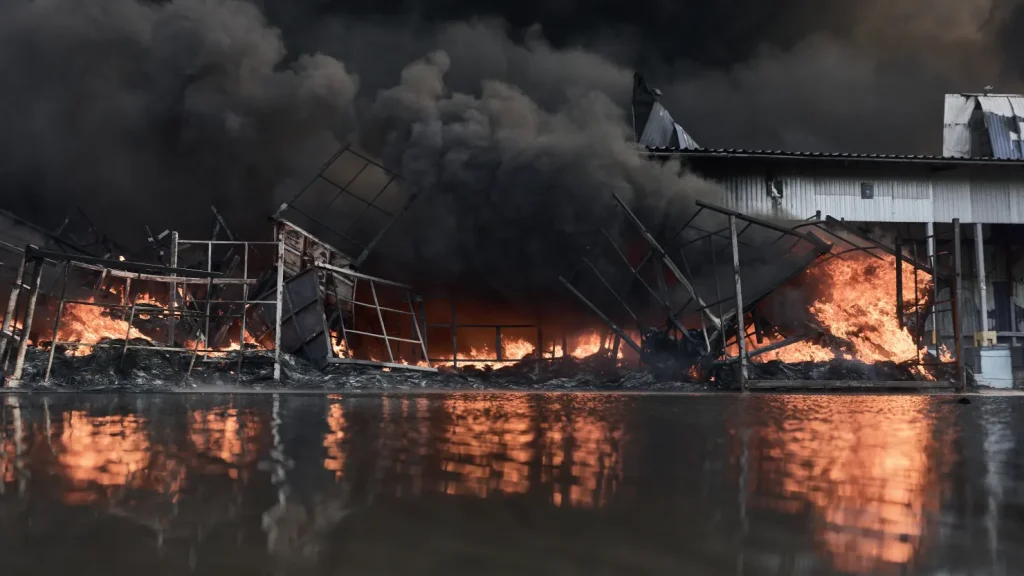
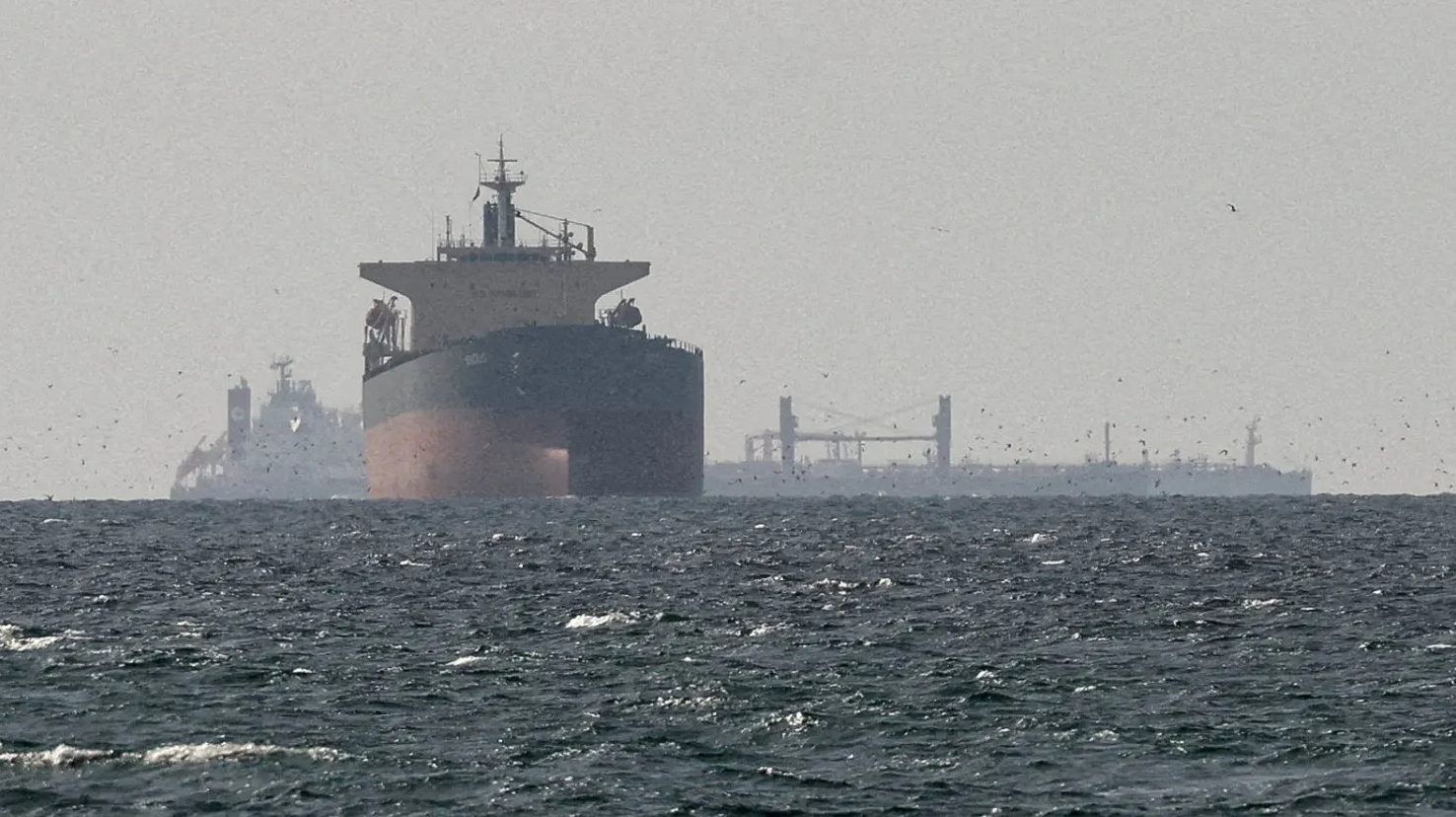
The situation in the Strait of Hormuz — a critical global energy chokepoint — has become increasingly volatile. Iran briefly declared the waterway “fully open” to commercial shipping on Friday, triggering a sharp drop in crude oil prices. However, within 24 hours, shipping activity was once again disrupted amid reports of attacks on vessels and renewed naval enforcement actions.
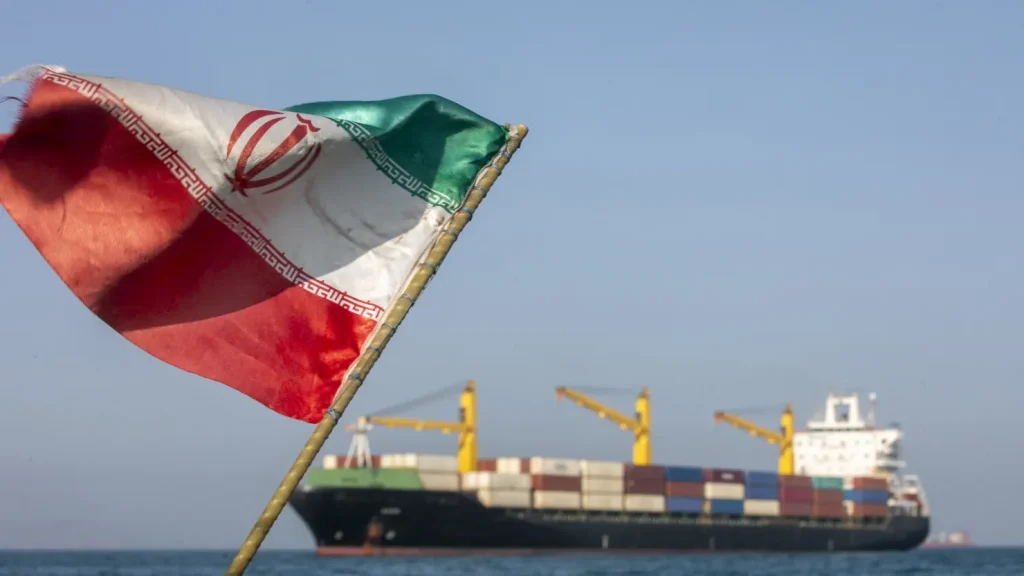
By Sunday, the U.S. Navy had reportedly fired on and seized an Iranian container ship in the Gulf of Oman. President Trump described Iran’s actions as a “total violation” of the ceasefire and warned of further strikes on Iranian infrastructure if a deal is not reached.
Markets reacted swiftly to the escalating tensions. U.S. stock futures declined on Monday, while oil prices surged sharply. West Texas Intermediate crude rose more than 6% to around $89 per barrel, while Brent crude climbed over 5% to approximately $95.50. Analysts say the volatility reflects uncertainty over whether maritime traffic through the Strait will stabilize or deteriorate further.
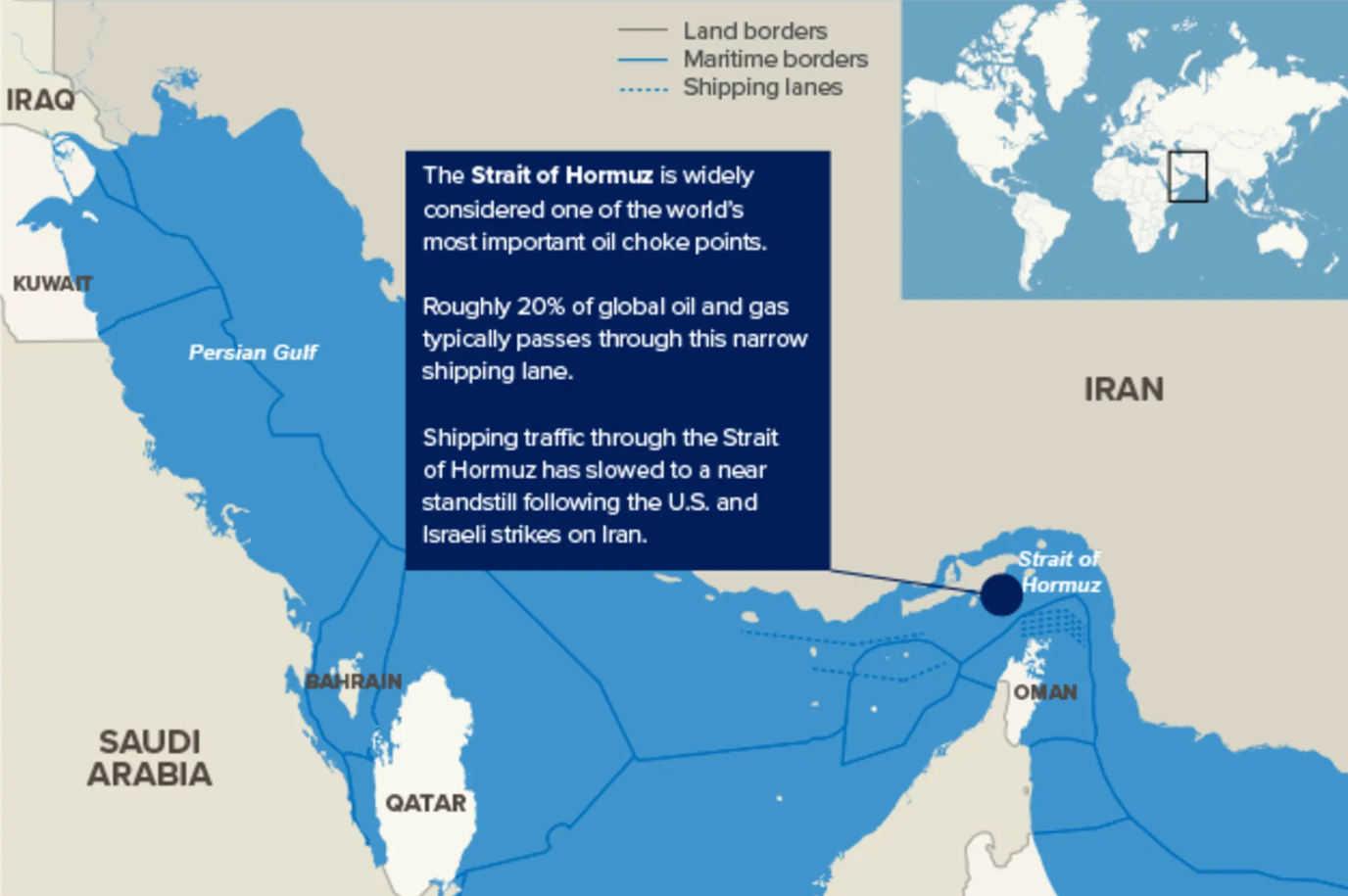
Shipping disruptions have now persisted for weeks, with analysts estimating that millions of barrels of daily oil and gas supply remain effectively offline. Some estimates suggest that more than 500 million barrels of global supply have been impacted since the conflict escalated, making it one of the largest energy disruptions in recent history.
Experts warn that even if a ceasefire agreement is reached, restoring normal supply chains will take significant time. Market analysts expect oil prices could remain elevated due to sustained uncertainty and supply constraints.
Diplomatic efforts continue, with U.S. officials reportedly pushing for a long-term pause in Iran’s uranium enrichment program, while Tehran has rejected what it calls “unrealistic demands” and continued sanctions pressure.
Former negotiators and policy experts say the gap between both sides remains wide, with little trust and diverging strategic goals. Some warn that without meaningful compromise, the situation could easily return to open conflict.
Economists also caution that prolonged instability in the Strait of Hormuz poses a broader risk to the global economy, potentially increasing inflation and energy costs worldwide.
As ceasefire deadlines approach, the region remains on edge, with both diplomatic progress and renewed escalation still possible — and neither side showing signs of a decisive breakthrough.