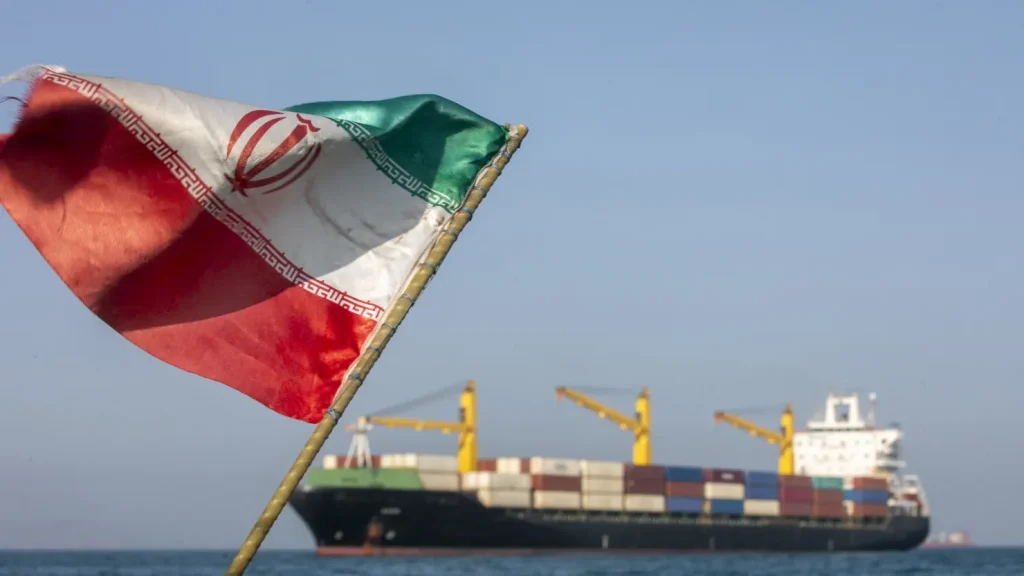

WASHINGTON: United States Secretary of State Marco Rubio said the Strait of Hormuz will “reopen one way or another” following the eventual end of the ongoing U.S.-Israeli war with Iran, underscoring Washington’s determination to restore global energy flows amid escalating tensions.
Speaking in an interview with Al Jazeera on Monday, Rubio’s remarks come as the effective closure of the strategic waterway continues to disrupt global oil markets and fuel economic uncertainty.
Diplomacy and Ongoing Tensions
Rubio said there were “ongoing direct talks between parties in Iran and the United States,” primarily conducted through intermediaries. However, Iranian officials have repeatedly denied that such negotiations are taking place.
Pakistan has indicated it may host direct talks in the coming days aimed at achieving a comprehensive resolution to the conflict, though no formal breakthrough has been confirmed.
U.S. President Donald Trump has consistently emphasized a preference for diplomacy, with Rubio reiterating that a negotiated solution “could have been achieved earlier.”
Military Options Under Consideration
Speculation continues over a potential escalation of the conflict, including the possibility of deploying U.S. ground troops in Iran. Such a move would mark a significant shift in strategy, expanding the scope of a conflict that began on February 28 with U.S.-Israeli strikes.
Reports suggest the administration is considering options including a special forces operation to secure Iran’s stockpile of enriched uranium. While the White House has not confirmed these plans, officials said military preparations are ongoing to provide “maximum optionality” for decision-makers.
Nuclear Programme and Strategic Objectives
Rubio called on Iran to take “concrete steps” to dismantle its nuclear programme and halt the production of drones and missiles. He accused Tehran of seeking nuclear weapons to exert global pressure, a claim Iran denies, maintaining that its nuclear activities are for civilian purposes.
The secretary of state also indicated that Washington would support a change in Iran’s leadership if an opportunity arose, signaling broader strategic objectives beyond immediate military outcomes.
Outlook
The future of the Strait of Hormuz remains central to both the conflict and global economic stability, as roughly one-fifth of the world’s oil supply depends on the route.
As the U.S. balances diplomatic engagement with military preparedness, the situation remains fluid, with potential developments hinging on Iran’s response, ongoing backchannel efforts, and Washington’s next strategic move.