
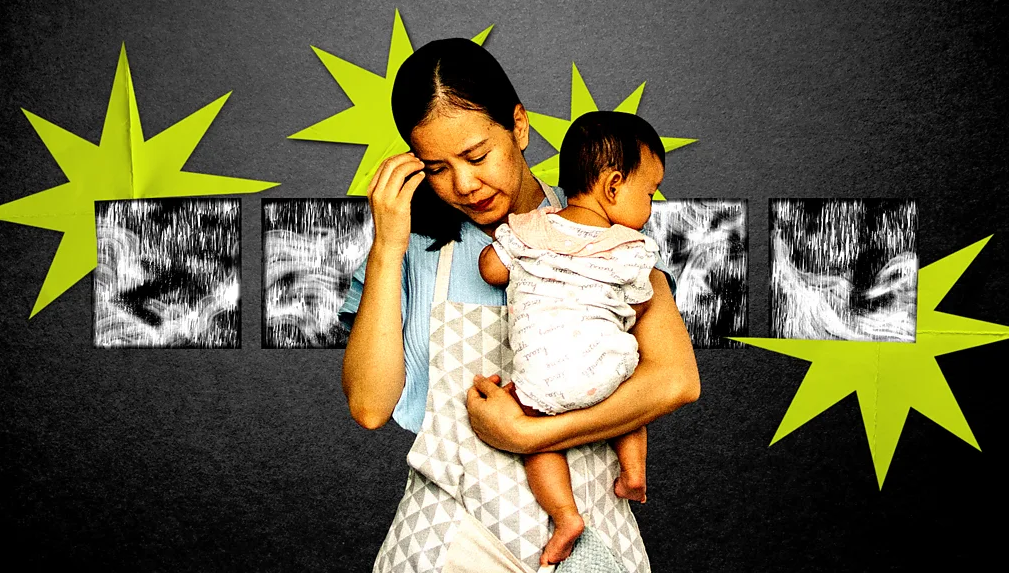

Modern parents often describe raising children as emotionally and physically exhausting, but researchers now believe today’s caregivers may actually feel more sleep deprived than human ancestors did — even when they are getting a similar amount of sleep.
Studies from countries including Germany, France and the United States show that many parents lose sleep after having children, especially during the first months after birth. However, researchers found that overall sleep duration among parents is often not dramatically lower than among adults without children.
One German study found first-time mothers lost about one hour of sleep per night during the first three months after childbirth, while fathers lost around 20 minutes. Although sleep improved later, many parents reported that they never fully returned to pre-pregnancy sleep patterns.
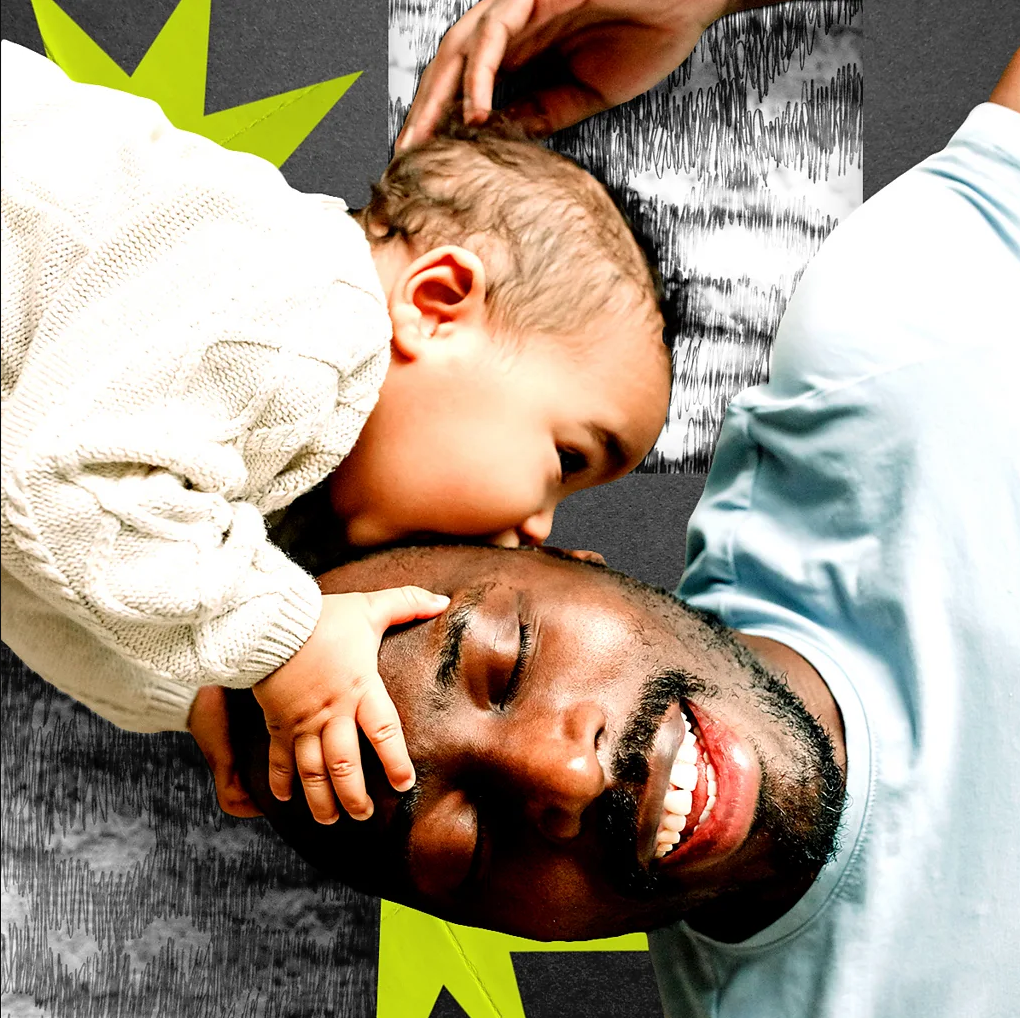
Scientists studying traditional hunter-gatherer communities say the major difference may not be how much sleep people get, but how they think about sleep. Researchers found that adults in foraging societies frequently wake up during the night yet still report being satisfied with their sleep and less exhausted during the day.
David Samson, director of the Sleep and Human Evolution Lab at the University of Toronto, spent months living with the Hadza people in northern Tanzania to study sleep behavior. He found that members of the community often woke up multiple times during the night but still considered their sleep healthy and normal.
Experts say modern societies place heavy pressure on achieving uninterrupted “perfect” sleep because of demanding work schedules, commuting, school routines and technology-driven lifestyles. Parents today are also more likely to raise children without extended family or community support, increasing stress and fatigue.
Researchers noted that many ancient and traditional societies approach sleep more flexibly. Night waking, co-sleeping and breastfeeding during the night are often considered normal caregiving behaviors rather than sleep disruptions.
Anthropologist James McKenna described this practice as “breastsleeping”, where mothers and infants sleep close together and feed naturally through the night.
Scientists say modern parents may benefit from reducing unrealistic expectations around sleep perfection and understanding that interrupted sleep has been common throughout human history.