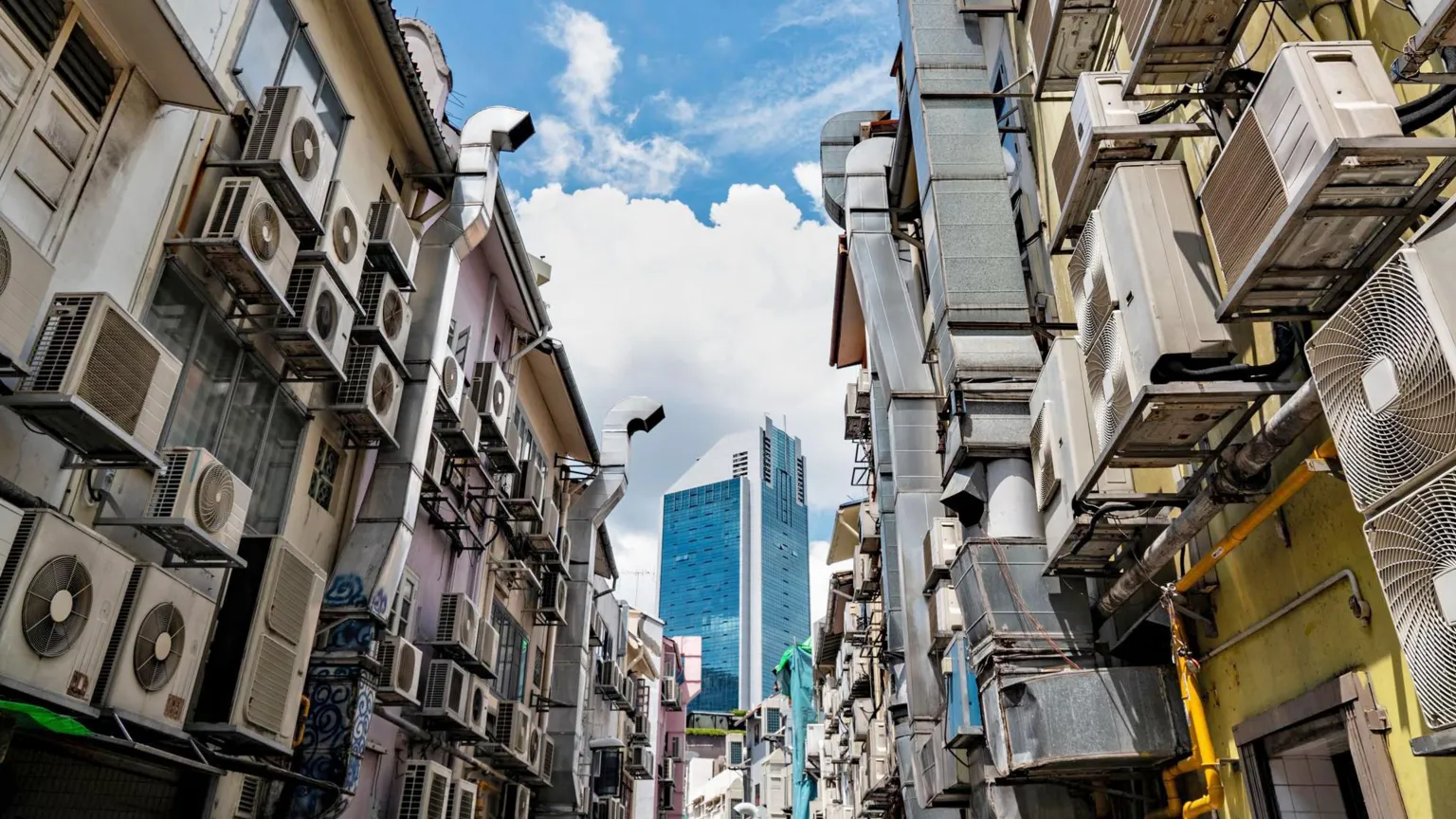

Singapore is taking decisive steps to reduce energy consumption as rising fuel prices—driven by the ongoing conflict involving Iran—impact global supply chains.
Government offices have been instructed to set air-conditioning temperatures to at least 25°C, alongside adopting energy-efficient technologies such as LED lighting and smart sensors. Officials say that each degree increase in temperature can reduce energy consumption by approximately 10%.
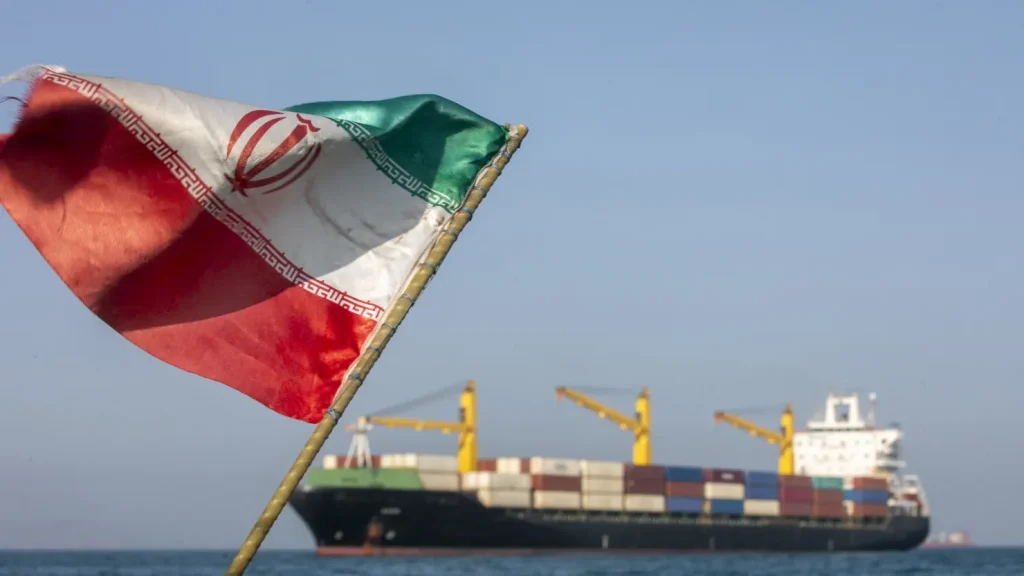
The move reflects the country’s heavy reliance on energy imports passing through the Strait of Hormuz, which has faced major disruptions due to the conflict.
A Cultural Shift
Air-conditioning has long been central to life in Singapore, a legacy often attributed to Lee Kuan Yew, who saw it as vital to economic productivity in a tropical climate.
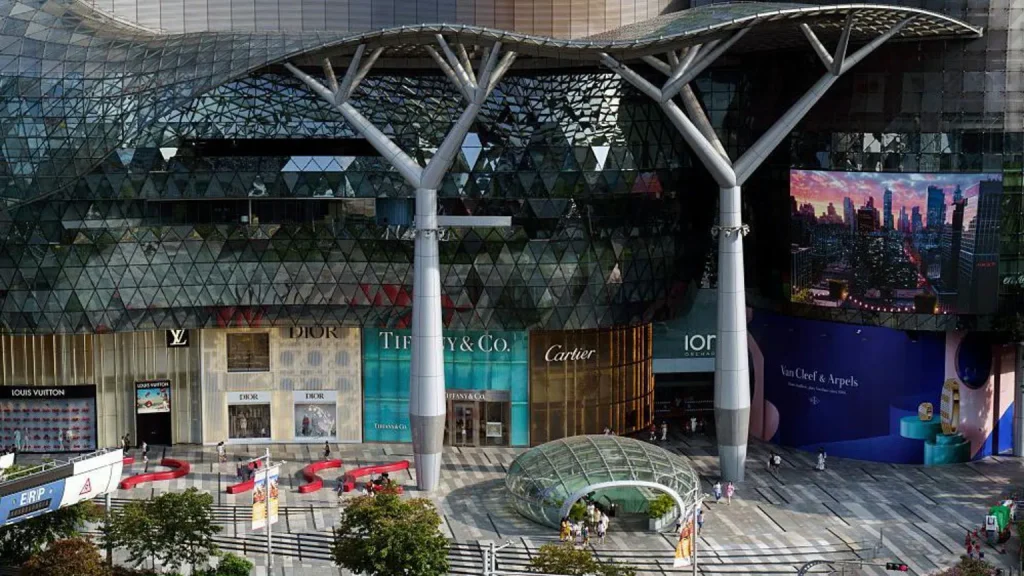
Today, from offices and shopping malls to public transport and homes, cooling systems are deeply embedded in daily life. The new measures, however, signal a potential shift in habits as the nation responds to external pressures.
Regional Impact
Singapore is not alone. Across Asia, countries are introducing similar measures to cope with rising energy costs. Nations such as the Philippines and Thailand have implemented policies ranging from reduced workweeks to limits on air-conditioning use.
Experts warn that the crisis highlights Asia’s dependence on Middle Eastern energy supplies and underscores the need for diversification and efficiency.
Economic Concerns
Authorities in Singapore have warned of potential economic disruptions as fuel prices continue to rise. While the country has not yet resorted to rationing or tapping into reserves, officials are urging both businesses and citizens to adopt energy-saving practices.
As the crisis unfolds, the challenge for Singapore will be balancing economic stability with sustainability—while adapting to a future with potentially less reliance on air-conditioning.