
The ongoing tensions in the Strait of Hormuz are beginning to ripple far beyond oil markets, with a growing shortage of critical base oils now threatening the global luxury automotive industry.
Base oils, a key component in the production of high-performance lubricants, are essential for maintaining modern engines — particularly those used in luxury and high-performance vehicles. These specialized oils help engines withstand extreme heat, pressure, and high revolutions, making them indispensable for premium automotive brands.
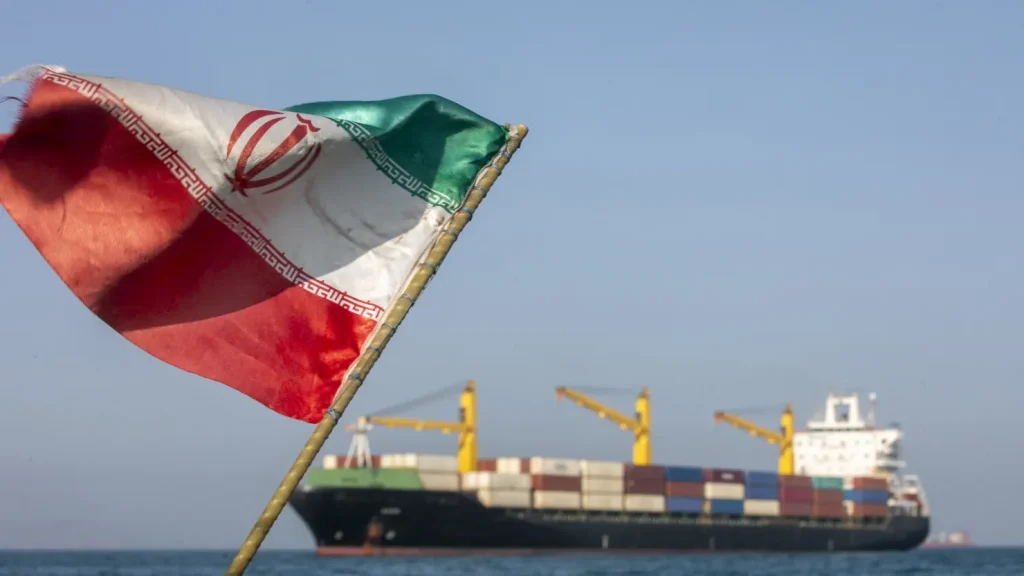
Industry analysts warn that disruptions to shipping routes in the Gulf — triggered by the ongoing Iran conflict — are severely affecting supply chains. The International Energy Agency has already described the broader situation as one of the most serious energy security threats in history.
The Gulf region plays a crucial role in the global supply of Group III base oils, which are widely used in synthetic lubricants. Europe and the United States rely heavily on imports from this region, making them particularly vulnerable to ongoing disruptions.
In recent weeks, prices for these base oils have surged dramatically. In northern Europe, prices have nearly doubled since the conflict began, reflecting tightening supply and rising demand. Analysts warn that if shipments do not resume soon, available stocks could run out within weeks, leading to reduced production of engine lubricants.
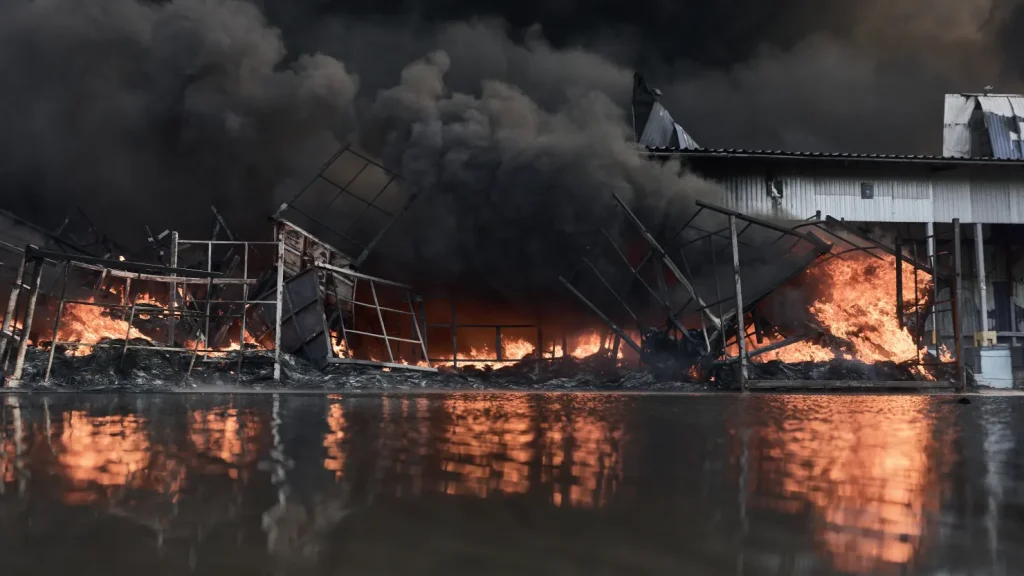
The crisis has been worsened by several factors, including damage to energy infrastructure such as facilities operated by Shell in Qatar, as well as production disruptions in countries like Bahrain and the United Arab Emirates. Additionally, major exporters such as South Korea have introduced limits on petroleum exports to protect domestic supply.
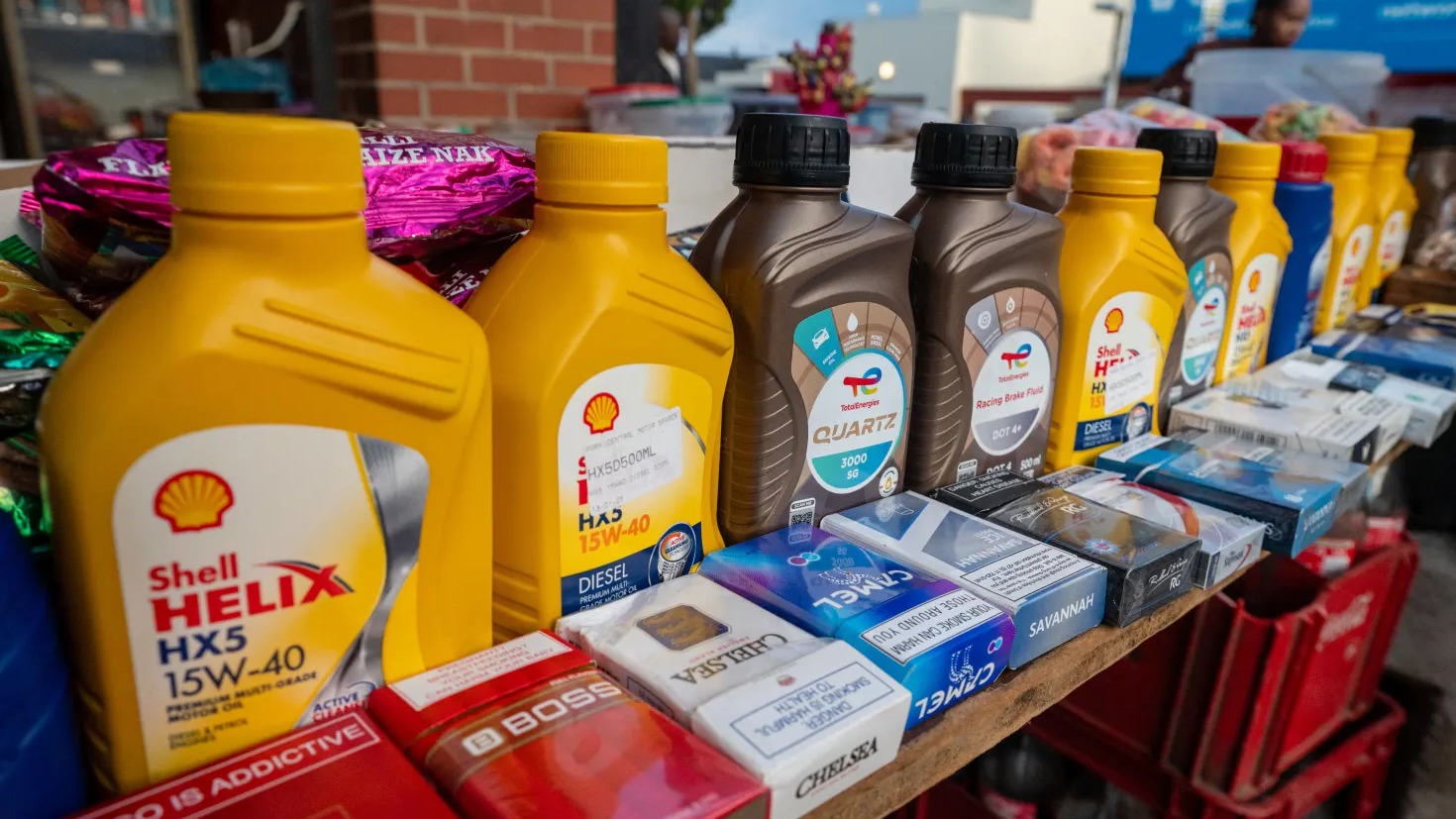
Industry groups like the Independent Lubricant Manufacturers Association have warned that nearly three-quarters of US imports of these critical base oils are now under stress. This has significantly reduced the ability of manufacturers to find alternative sources or substitutes.
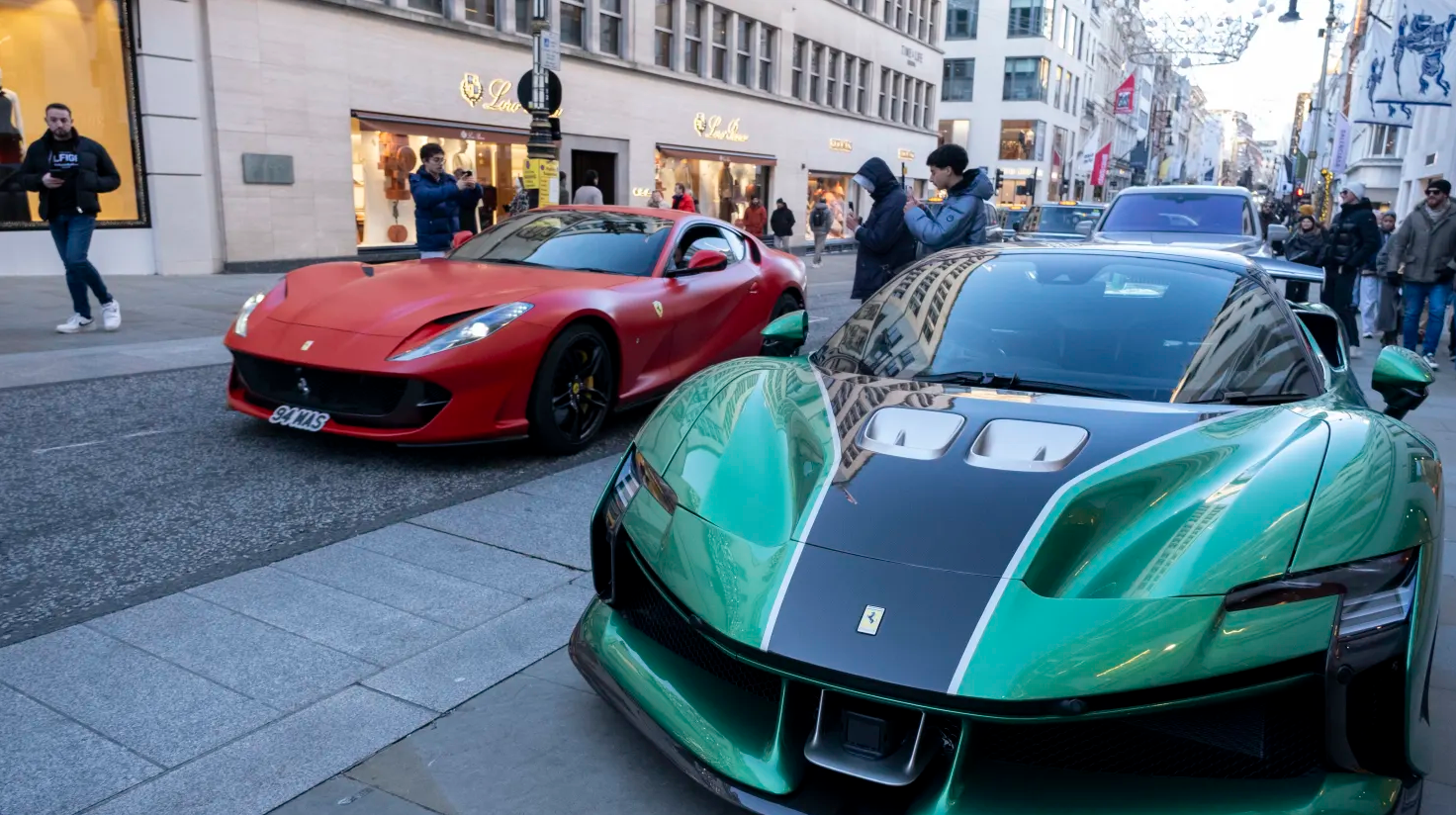
As a result, the impact is expected to be felt across the entire automotive sector. Luxury car manufacturers — whose vehicles rely on advanced synthetic lubricants — may face delays in production, rising costs, and supply shortages. Even routine maintenance for high-performance vehicles, such as oil changes, could become more expensive and less accessible.
Experts say that while some buffer stocks remain in the supply chain, delivery times are already increasing, and the situation could worsen if the conflict continues. The risk is further heightened by seasonal factors, such as the approaching hurricane season in the United States, which could disrupt domestic production facilities.
Ultimately, the crisis highlights how interconnected global supply chains have become. What began as a geopolitical conflict is now affecting industries far removed from the battlefield — including the world of luxury automobiles — underscoring the far-reaching economic consequences of prolonged instability in critical regions.