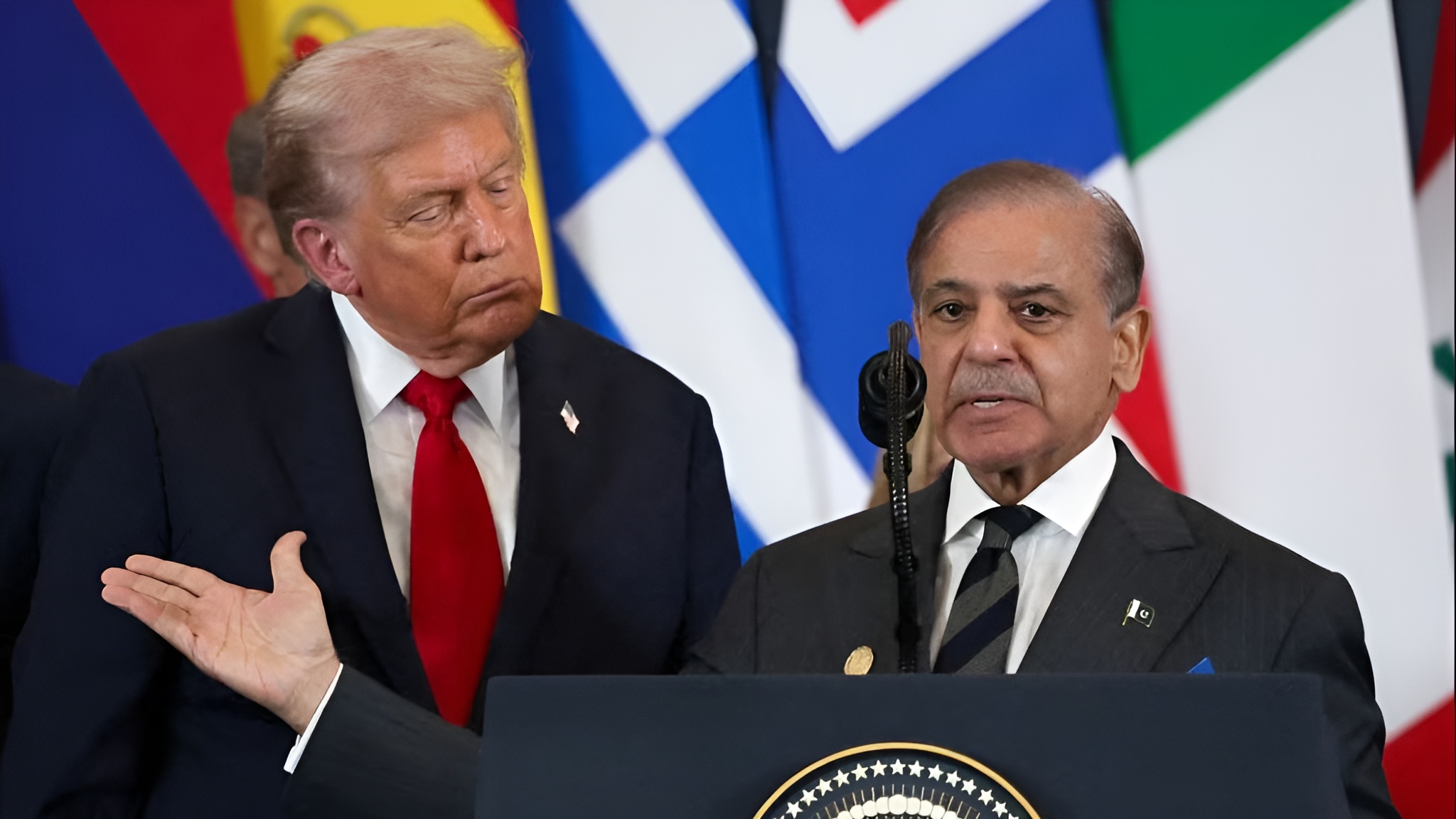

ISLAMABAD: United States President Donald Trump has expressed optimism about a potential deal with Iran, even as a Pakistan-led diplomatic initiative seeks to de-escalate the ongoing U.S.-Israeli war with Tehran amid rising regional tensions.
Trump said negotiations were progressing “extremely well” and that he could “see a deal… soon,” but his remarks contrasted sharply with continued military escalation and hardline positions from both Washington and Tehran.
Pakistan Leads Diplomatic Push
Pakistan, alongside Saudi Arabia, Türkiye, and Egypt, has formed a four-nation diplomatic framework aimed at facilitating dialogue between the United States and Iran.
Deputy Prime Minister and Foreign Minister Ishaq Dar confirmed that both sides had expressed confidence in Islamabad’s role as a mediator, with plans underway to host direct talks “in the coming days.”
The initiative includes the formation of a Committee of Four, tasked with structuring negotiations and creating conditions for a ceasefire and eventual political settlement.
Contrasting Signals from Washington
Despite diplomatic efforts, Trump’s rhetoric has highlighted the uncertainty surrounding the process. In a recent interview, he suggested the possibility of seizing Iran’s key oil export hub, Kharg Island, stating, “Maybe we take it, maybe we don’t.”
Such statements underscore the tension between diplomatic engagement and the continued threat of military escalation, including potential strikes on Iran’s energy infrastructure.
A Fragile Path to Negotiations
Analysts describe the current diplomatic initiative as an important but fragile step.
Former Pakistani minister Mushahid Hussain Sayed called the Islamabad meeting the first coordinated effort by Muslim-majority nations to open a pathway to dialogue. However, he cautioned that the process remains in its early stages, describing it as “baby steps” amid a rapidly escalating conflict.
Similarly, former ambassador Masood Khan said the initiative had created a “diplomatic corridor” through sustained backchannel efforts. He outlined a phased approach, including trust-building, ceasefire negotiations, and eventual talks on complex issues such as Iran’s nuclear programme and the Strait of Hormuz.
Deep Divisions Persist
Despite progress, fundamental disagreements continue to hinder negotiations.
Washington has proposed a comprehensive framework that includes a ceasefire, limits on Iran’s nuclear programme, restrictions on missile development, and an end to support for regional allies.
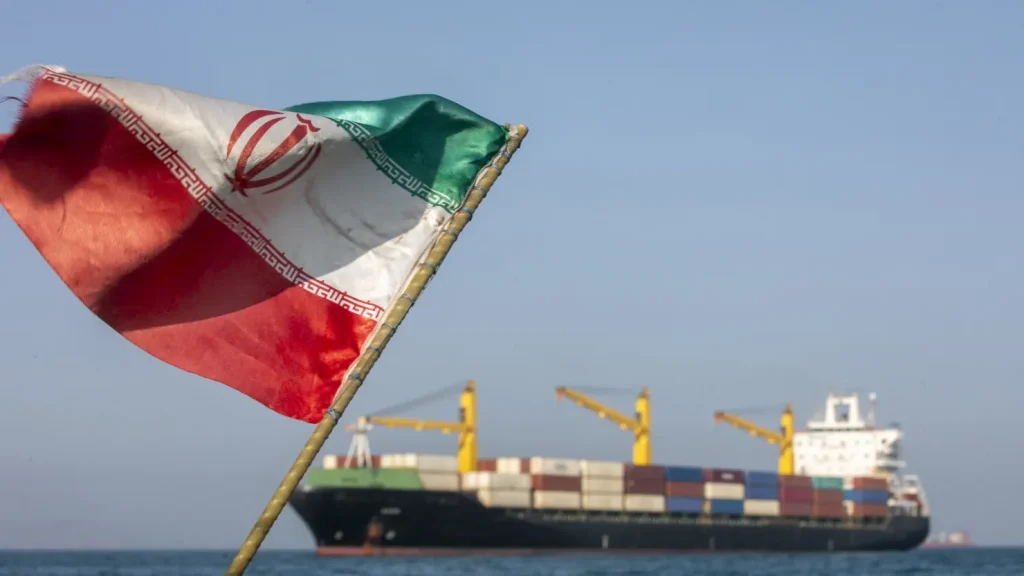
Tehran, however, has demanded an immediate halt to military actions, security guarantees, war reparations, and recognition of its sovereignty over the Strait of Hormuz.
Iranian officials have dismissed U.S. proposals as “unrealistic” and expressed scepticism about the Pakistan-led initiative, noting that Tehran has not formally participated in the Islamabad framework.
Global Backing and Strategic Stakes
The diplomatic effort has received support from Wang Yi and Antonio Guterres, reflecting broader international concern over the conflict’s potential to destabilize global energy markets and regional security.
Meanwhile, Pakistan Prime Minister Shehbaz Sharif has engaged in direct outreach to Iran, emphasizing the need to create conditions conducive to peace talks.
Outlook
While diplomatic channels remain open, the path to a resolution appears uncertain. The widening gap between U.S. and Iranian demands, combined with ongoing military operations and geopolitical rivalries, continues to complicate efforts to achieve a ceasefire.
As Pakistan and its partners push forward with mediation, the success of the initiative may depend on whether diplomacy can outpace escalation in a conflict that shows no immediate signs of easing.