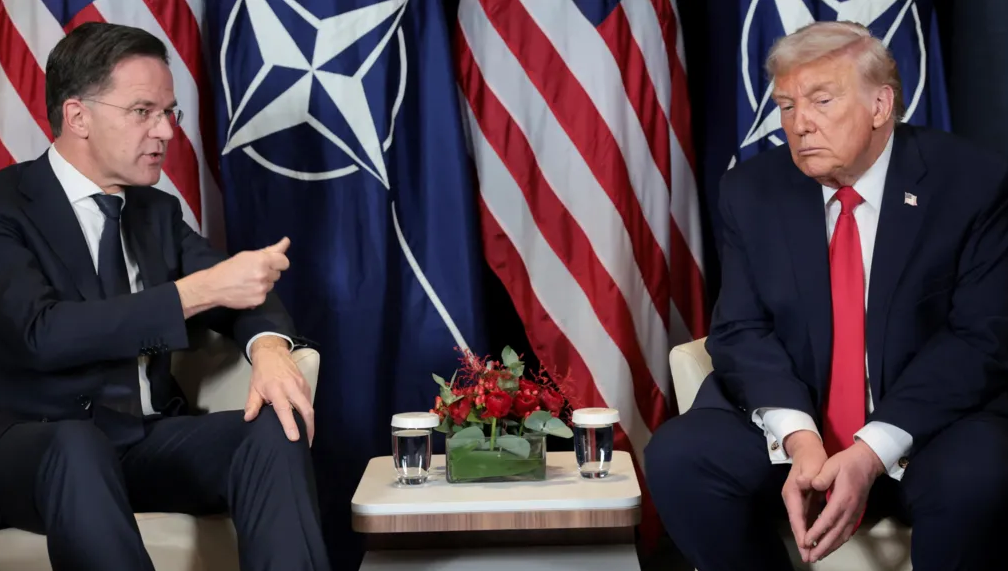

Washington, D.C. — Donald Trump has sharply criticized NATO following a high-stakes meeting with its Secretary General Mark Rutte at the White House, underscoring growing tensions within the transatlantic alliance amid the ongoing Iran conflict.
In a post on Truth Social after the meeting, Trump accused NATO of failing to support the United States during the Iran war, stating: “NATO WASN’T THERE WHEN WE NEEDED THEM, AND THEY WON’T BE THERE IF WE NEED THEM AGAIN.”
The remarks came after a more than two-hour visit by Rutte to the White House, where both leaders held what the NATO chief later described as a “very frank” and “very open” discussion. Despite the candid tone, clear disagreements remain over the alliance’s role in recent military developments.
Strained Alliance Over Iran Conflict
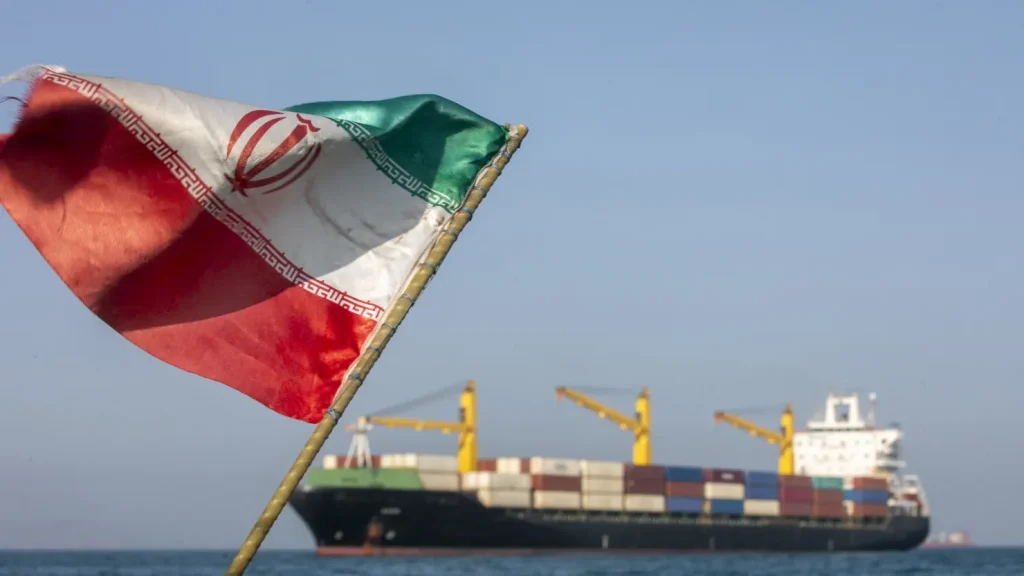
Tensions have escalated in recent weeks as Trump expressed frustration over NATO members’ reluctance to assist in reopening the strategically vital Strait of Hormuz, a key global energy route disrupted during the Iran war. The U.S. administration views allied support as crucial to stabilizing global oil markets.
Ahead of the meeting, Trump even floated the possibility of withdrawing from NATO — a move that would mark a historic shift in U.S. foreign policy. While no official decision has been announced, the rhetoric highlights deepening divisions within the alliance.
White House Press Secretary Karoline Leavitt reinforced Trump’s stance, saying NATO had been “tested and they failed,” adding that some member states had “turned their backs on the American people.”
Rutte Defends NATO’s Role
Rutte, however, offered a more nuanced perspective, emphasizing that many European nations provided logistical and operational support during the conflict.
“The large majority of European nations has been helpful with basing, with logistics, with overflights,” he said, adding that the situation was more complex than portrayed.
He also credited Trump’s leadership in weakening Iran’s nuclear capabilities, stating that the world is now “absolutely” safer following recent developments.
Wider Political Fallout
The dispute comes on top of existing tensions between the U.S. and NATO allies, including disagreements over Trump’s controversial interest in Greenland and broader defense burden-sharing issues.
The Iran war has further intensified these divisions, posing what analysts describe as one of the most serious challenges in NATO’s history.
Despite Trump’s threats, a 2023 U.S. congressional measure requires either a two-thirds Senate majority or an act of Congress for any president to withdraw from NATO, making an immediate exit unlikely.
What’s Next?
While both sides have kept diplomatic channels open, the future of U.S.-NATO relations remains uncertain. The outcome of ongoing geopolitical tensions — particularly in the Middle East — could play a decisive role in shaping the alliance’s trajectory in the coming months.