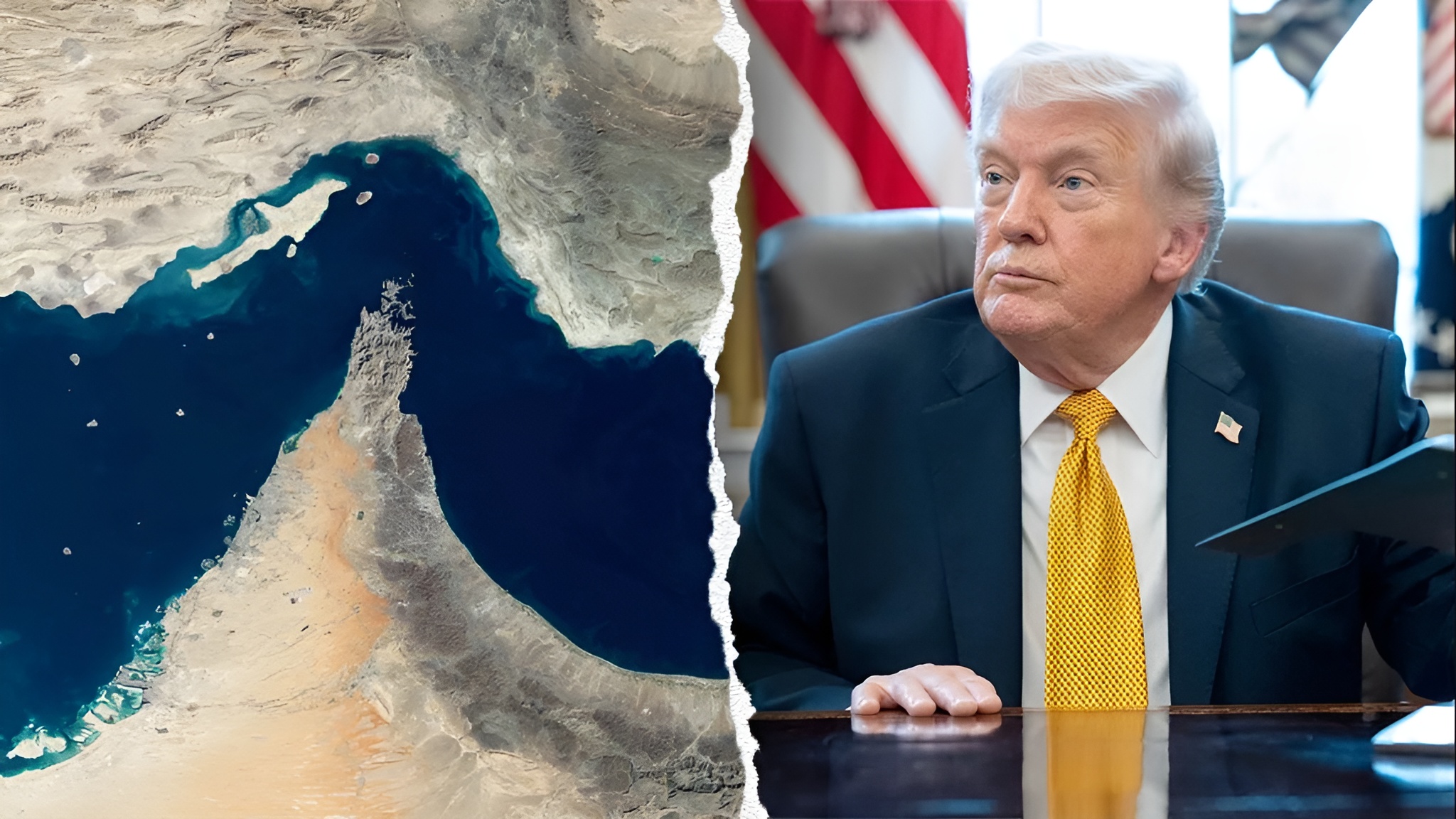

WASHINGTON: US President Donald Trump on Friday called on Iran to reopen the strategically vital Strait of Hormuz as a condition for reaching a peace agreement, while drawing attention with a controversial remark referring to the waterway as the “Strait of Trump.”
Speaking at a Saudi-backed investment forum in Miami, Trump said negotiations were ongoing to end the month-long conflict involving the United States, Israel, and Iran, but stressed that reopening the key oil transit route was essential.
“We’re negotiating now, and it would be great if we could do something, but they have to open it up,” Trump said. “They have to open up the Strait of Trump — I mean Hormuz.”
He later described the comment as a “mistake,” before adding that “there’s no accidents with me.”
Focus on Strategic Waterway
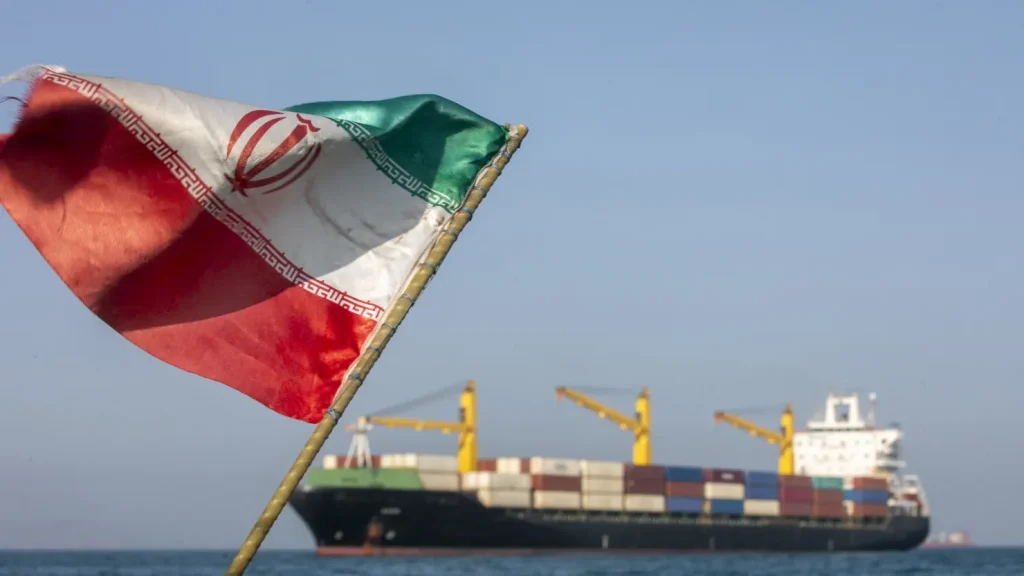
The Strait of Hormuz remains one of the world’s most critical النفط corridors, through which roughly one-fifth of global oil supply typically passes.
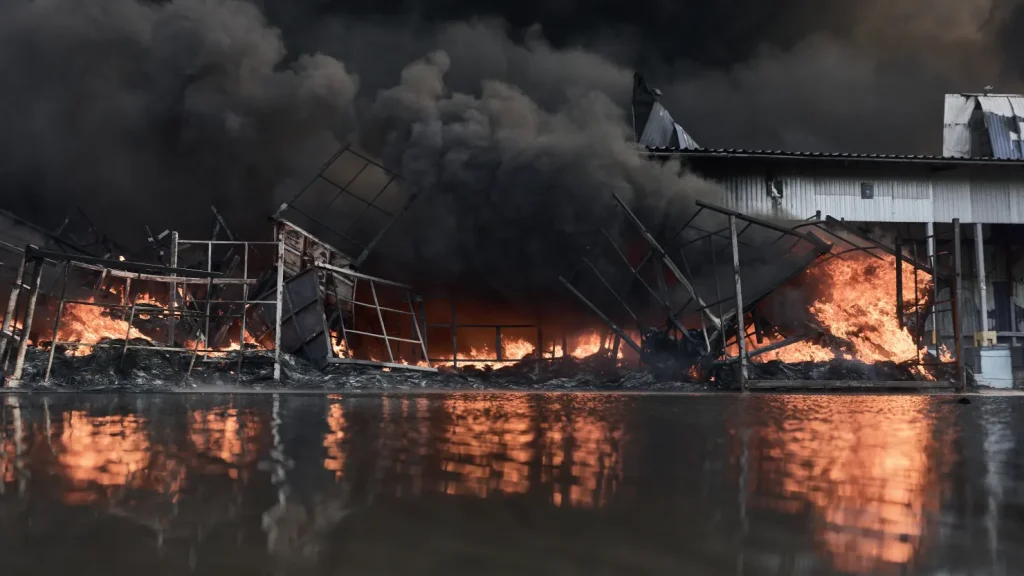
However, the ongoing conflict has effectively disrupted shipping through the narrow passage, contributing to rising global energy prices and heightened economic uncertainty.
US officials have expressed concern that Iran could attempt to impose control measures or restrictions on vessels passing through the strait, further escalating tensions.
Negotiations and Military Pressure
Trump reiterated claims that Iran was willing to negotiate despite public denials from Tehran, adding that the country was “on the run” following sustained military pressure.
He also suggested that Iran’s leadership, military capabilities, and nuclear programme had been significantly weakened during the conflict.
The US president further indicated that taking control of Iran’s oil resources remained “an option,” referencing similar measures previously imposed on Venezuela.
Pattern of Controversial Remarks
The “Strait of Trump” comment reflects a broader pattern of branding-related remarks by the US president. During his second term, Trump has overseen the renaming of several institutions and landmarks, including references to the Gulf of Mexico as the “Gulf of America.”
The latest remarks quickly drew attention amid already heightened global scrutiny over the ongoing conflict and its economic consequences.
Rising Global Stakes
The conflict has entered a critical phase, with ongoing diplomatic efforts alongside continued military posturing. Analysts warn that disruptions in the Strait of Hormuz remain a central factor influencing global oil markets and geopolitical stability.
Recent developments suggest that while negotiations are underway, significant gaps remain between the positions of Washington and Tehran.
The situation underscores the strategic importance of the Strait of Hormuz, as both a geopolitical flashpoint and a key determinant of global energy security.