
TSA Officers Paid After Weeks Without Salaries, But Concerns Persist
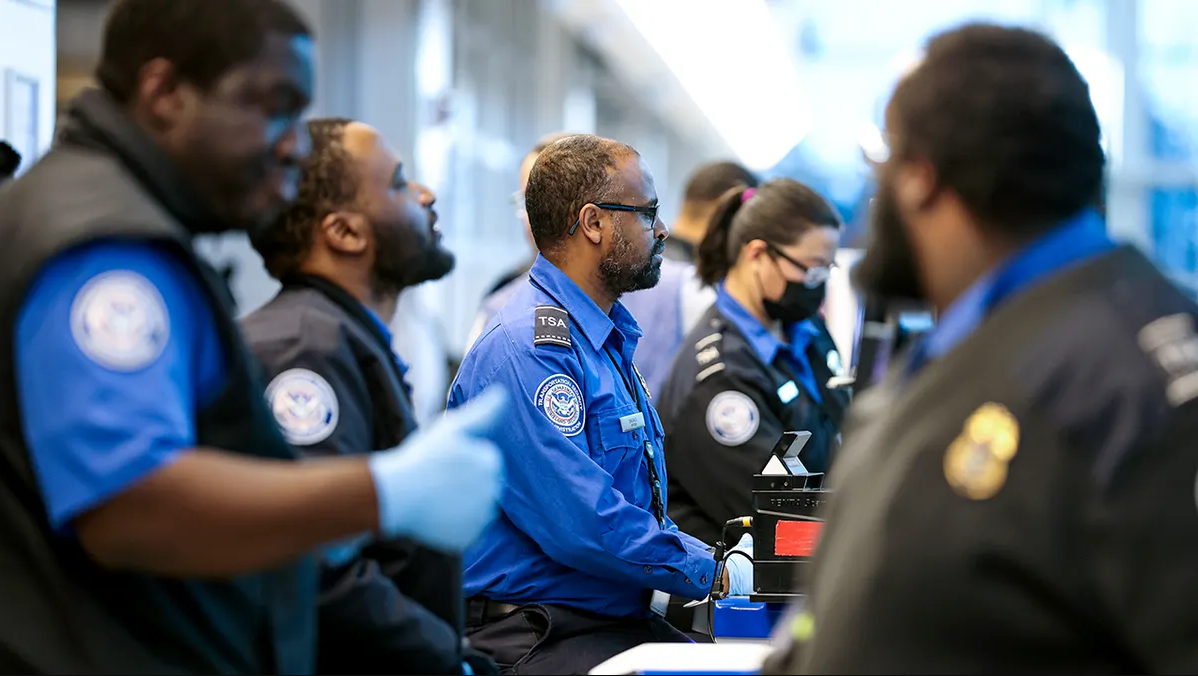
Officers from the Transportation Security Administration (TSA) have received their first paychecks in more than a month, following weeks of working without pay during a prolonged government shutdown.
The Department of Homeland Security (DHS), which oversees TSA operations, confirmed that most employees would receive at least two full paychecks covering previous pay periods. However, officials acknowledged that some workers may face delays due to banking or processing issues.

The payments come after Donald Trump signed a presidential memorandum directing officials to identify funds that could be used to compensate TSA workers. The move aimed to ease mounting pressure as employees faced financial hardship after 45 days without pay.
Despite the relief, uncertainty remains. It is still unclear whether TSA officers will continue receiving regular pay moving forward, and some workers have reported missing portions of their expected back pay.

Many TSA officers have described severe financial strain during the shutdown. Employees reported missing bill payments, taking on second jobs, and even facing eviction notices. Some families were forced to withdraw children from daycare or cut back on basic expenses.
Union representatives highlighted cases where officers struggled to make ends meet, with one officer reportedly leaving the job due to financial hardship.
“I feel like they’re playing with our lives,” said one TSA officer, describing the emotional and financial toll of working without pay while supporting a family.

The situation has also affected airport operations, with increased absenteeism reported across major U.S. airports. Officials noted a significant rise in call-outs, adding pressure to already strained security operations.
Meanwhile, political disagreements in Washington continue to delay a long-term funding solution. While temporary measures have been proposed, no final agreement has been reached, leaving thousands of federal employees in uncertainty.
The crisis has once again highlighted the vulnerability of essential workers during government shutdowns, raising questions about how such disruptions can be prevented in the future.