
UAE Reportedly Quits OPEC and OPEC+ Amid Global Energy Crisis
DUBAI: The United Arab Emirates has reportedly announced its exit from OPEC and OPEC+, marking a major development that could reshape global oil markets at a time of heightened geopolitical tensions and energy instability.
The move comes amid an ongoing Iran-related conflict that has disrupted global energy supplies and pushed oil prices above $110 per barrel, according to market data.
OPEC, the Organization of the Petroleum Exporting Countries, and its allied producers under OPEC+ have long coordinated oil output policies to stabilize global prices. The UAE’s reported departure could weaken the group’s unity and influence over global crude supply decisions.
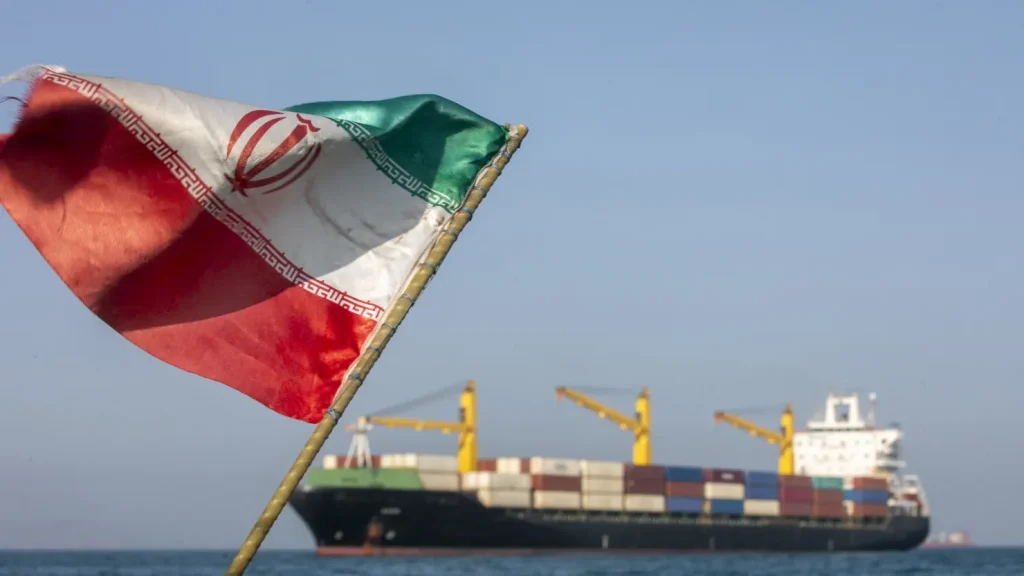
The Strait of Hormuz, a vital shipping route through which nearly one-fifth of the world’s oil and liquefied natural gas passes, has also faced disruptions due to regional tensions and security threats, further tightening global supply chains.
Market reaction was immediate, with Brent crude rising to $111.40 per barrel and US West Texas Intermediate climbing above $100. Stock markets also saw declines as investors assessed the impact of prolonged energy instability.
The development is also seen as a political shift, with analysts linking the move to broader regional disagreements and tensions over security cooperation and oil policy direction.
Former US President Donald Trump has previously criticized OPEC over high oil prices, arguing that oil-exporting nations benefit disproportionately from global energy dependence.
Energy analysts warn that any long-term fragmentation of OPEC+ could increase volatility in global oil markets, potentially leading to sharper price swings and supply uncertainty.
At the same time, the situation remains fluid, with no official confirmation yet on the long-term structural implications of the UAE’s reported decision.