
Ukraine Seeks to Leverage Drone Warfare Expertise for Global Exports Amid Middle East Conflict
Volodymyr Zelenskyy is positioning Ukraine as a global leader in drone defense technology, using lessons from the war with Russia to tap into rising demand in the Middle East.
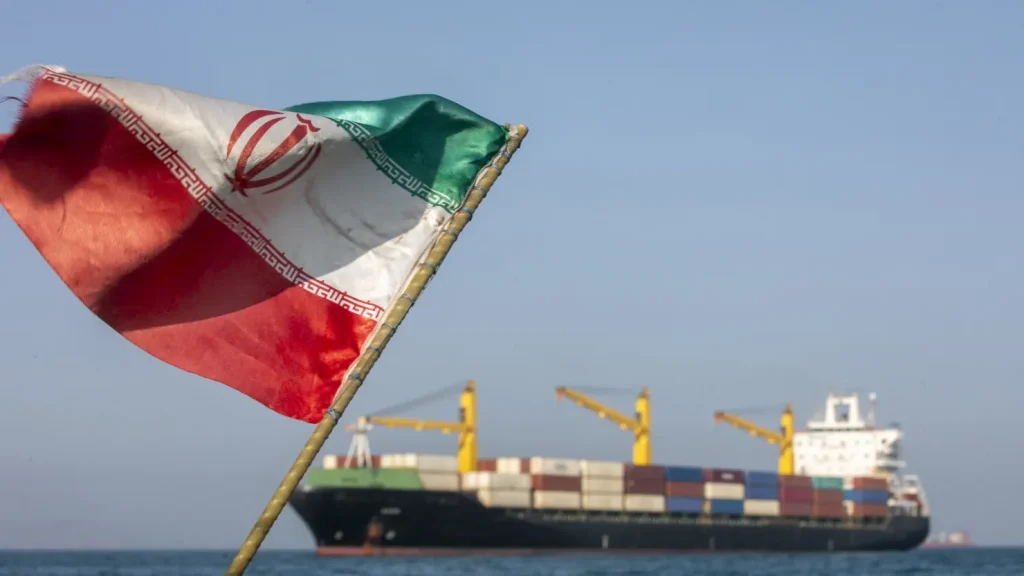
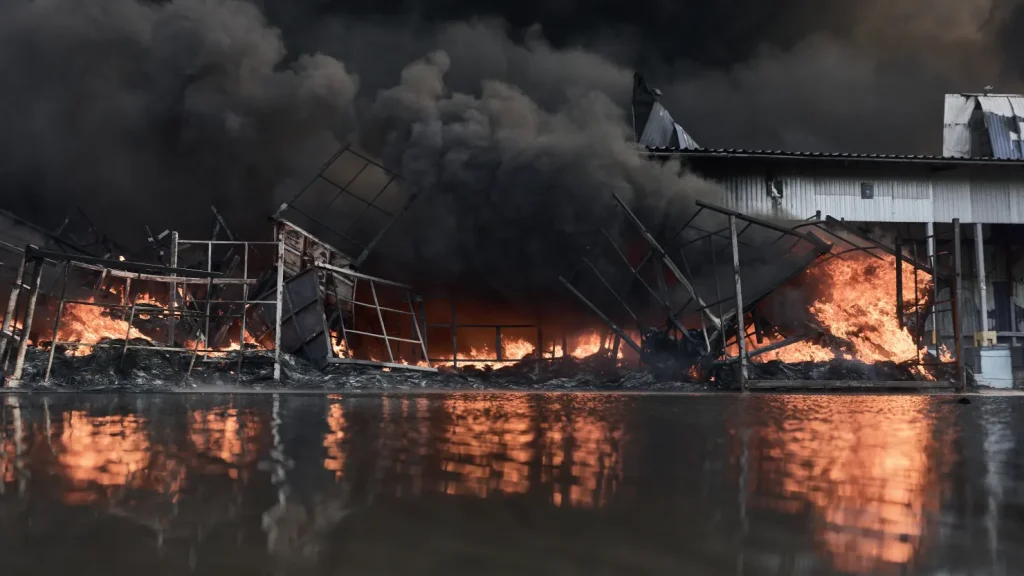
Ukraine’s years-long battle against Russian drone attacks has transformed the country into a pioneer in drone interception systems. Now, as Iranian drone strikes intensify across the Middle East, Kyiv sees a strategic opportunity to export its expertise and technology to Gulf nations seeking to strengthen their defenses.
“Ukraine is sharing expertise that is not available in the Middle East,” Zelenskyy said, emphasizing that the country offers not just hardware, but a complete system — including strategy, training, and operational integration.
In recent days, Ukraine has signed cooperation agreements with Saudi Arabia and Qatar, while a similar deal is reportedly in progress with the United Arab Emirates. These agreements aim to lay the groundwork for future defense collaboration, particularly in drone interception systems.
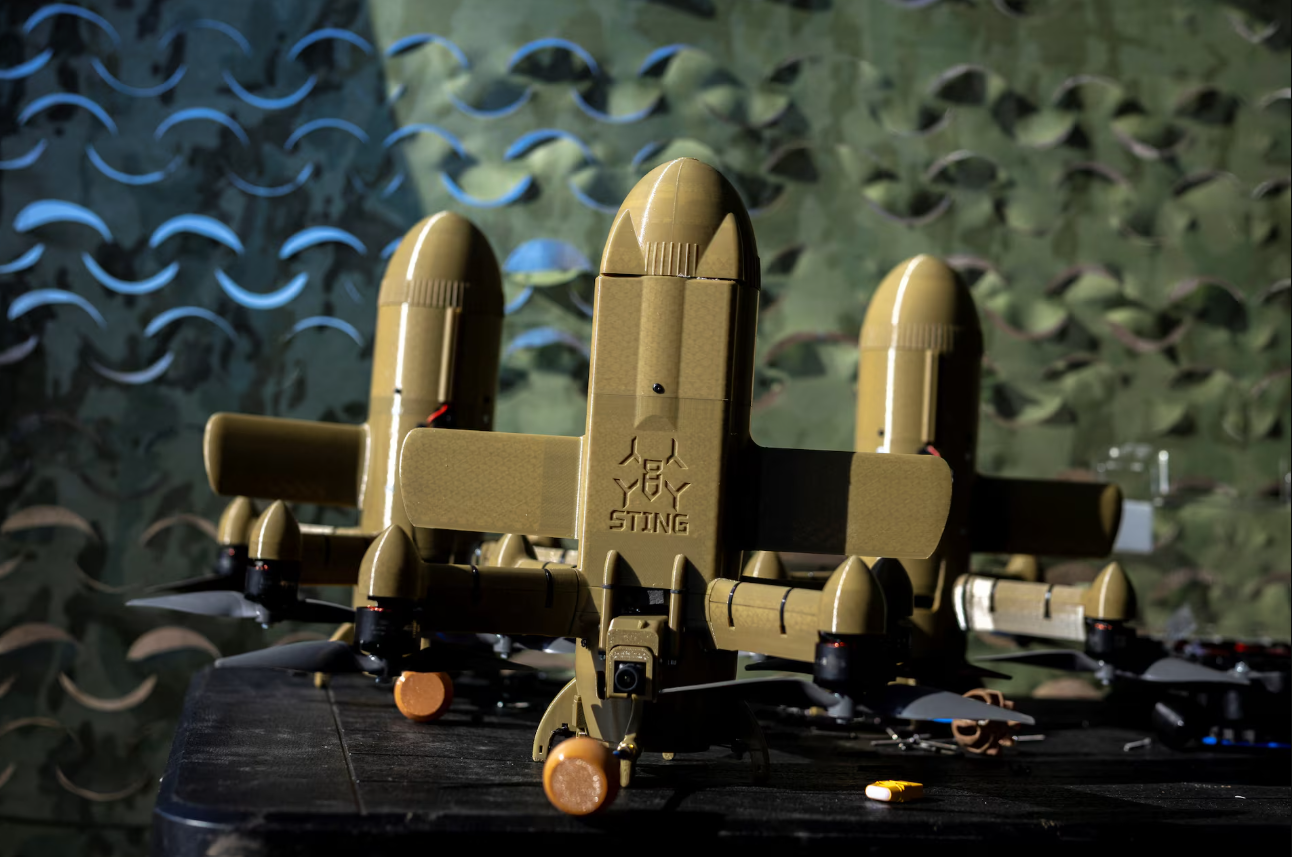
Ukraine’s private defense sector is also gearing up for expansion. Companies such as UForce, along with other drone manufacturers, have reported strong interest from Middle Eastern countries. Their technologies include advanced interceptor drones and naval drone systems designed to counter aerial threats.
The growing demand has been fueled by the increasing use of relatively low-cost attack drones in modern warfare, particularly those deployed by Iran and its allies. These developments have exposed vulnerabilities in many countries’ air defense systems, creating a surge in interest for cost-effective interception solutions.
Ukraine has rapidly scaled its production capabilities, reportedly manufacturing tens of thousands of interceptor drones in recent months. Officials say that with sufficient funding, production could reach up to 2,000 drones per day — far exceeding domestic needs and leaving significant capacity for export.
However, challenges remain. Ukrainian officials have emphasized that arms exports must be carefully controlled at the government level to avoid reputational risks and ensure proper training for foreign clients. Industry leaders have also warned that delays in policy decisions could cause Ukraine to miss a critical window of opportunity in the global defense market.
Analysts suggest that the Middle East conflict could serve as a turning point for Ukraine’s defense industry — potentially transforming it into a multi-billion-dollar export sector that could support post-war economic recovery.
Despite the opportunity, experts caution that deploying and integrating drone defense systems requires time, training, and coordination. Still, many believe that Gulf countries could quickly adapt, given their resources and urgency to counter emerging threats.
As global conflicts evolve, Ukraine’s battlefield experience may now shape the future of modern warfare — not just on the frontlines, but in defense markets around the world.