
At Least 269 Killed in Afghan Rehab Centre Airstrike, Families Demand Answers
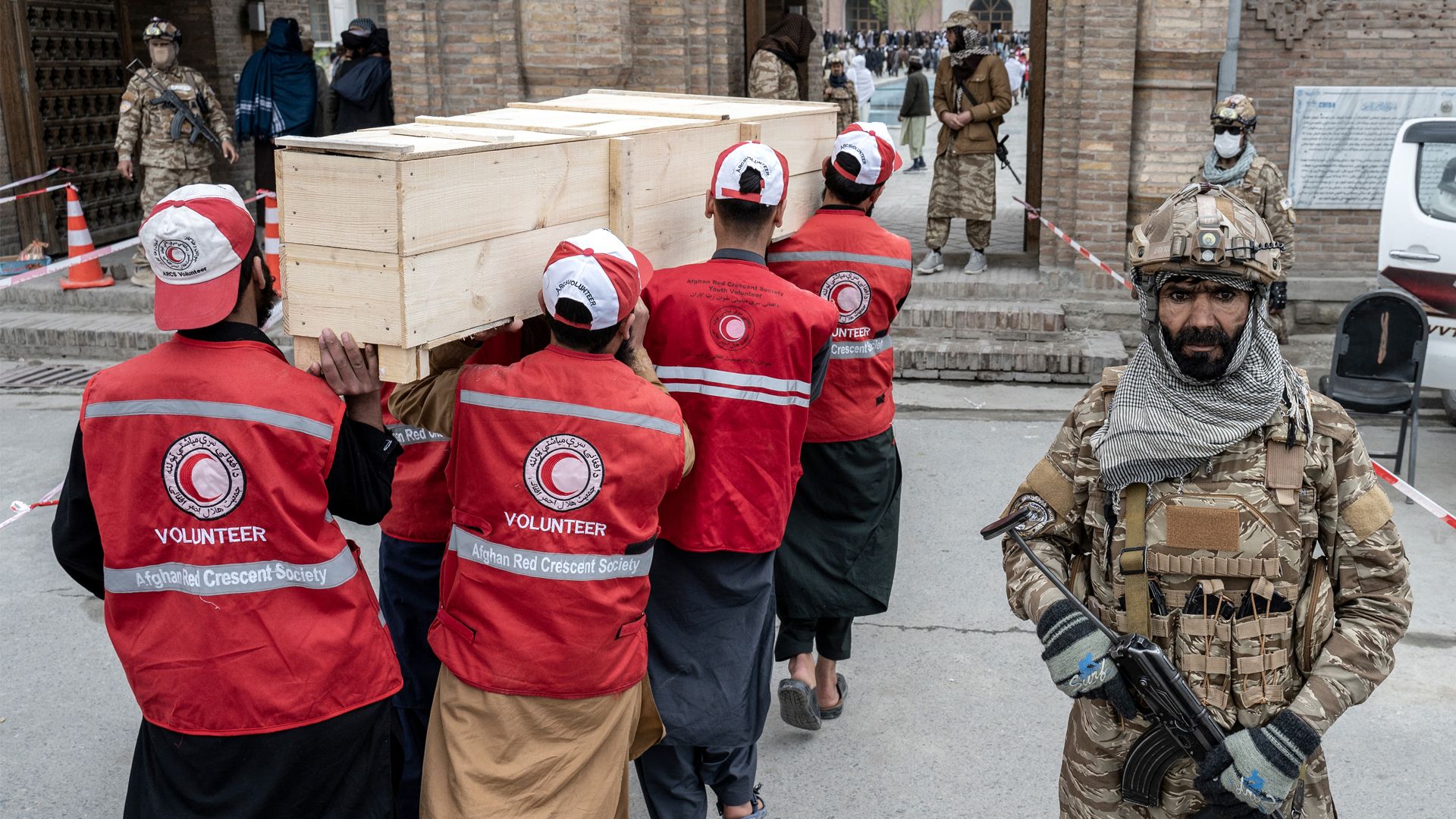
Families in Kabul are mourning loved ones killed in a deadly airstrike on a drug rehabilitation centre, as a new United Nations report confirms at least 269 fatalities and warns the true death toll may be higher.
On a cold, rainy morning in north-west Kabul, Masooda stands at a hillside cemetery searching for the grave of her younger brother, 24-year-old Mirwais. He was among those killed when airstrikes hit the Omid Drug Rehabilitation Hospital two months ago.
“I don’t even know exactly where he is buried,” she says, standing beside a mass grave marked with white stones and granite slabs. “His body was in pieces… I identified him through a birthmark.”
The UN report released this week confirms at least 269 people died in the attack, making it one of the deadliest incidents in Afghanistan in recent history. The exact number may be higher due to the condition of the victims’ remains.
Human rights groups have called for an investigation into possible war crimes. Human Rights Watch described the strike as “an unlawful attack and a possible war crime.”
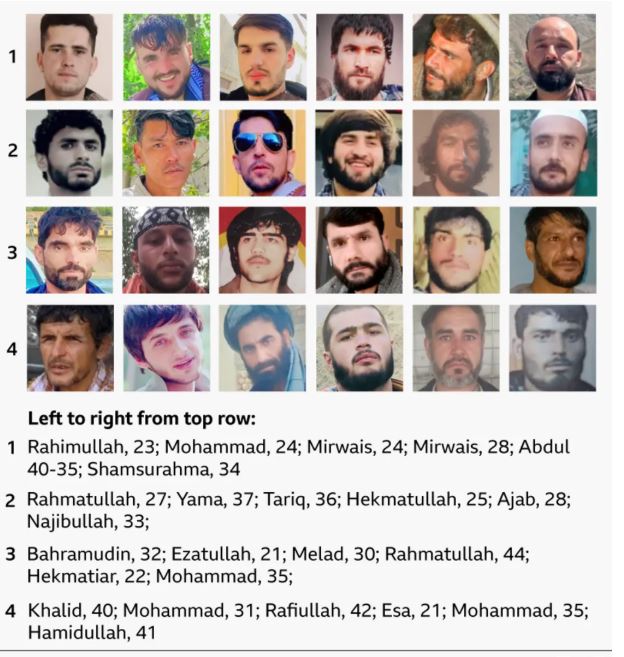
The facility, located along the Kabul-Jalalabad highway, treated people recovering from drug addiction. Survivors and staff say the victims included patients, medical workers, and support staff.
Pakistan has denied targeting civilian infrastructure, stating that “no hospital, no drug rehabilitation centre, and no civilian facility was targeted,” and insisting that only militant-linked sites were struck.
However, families of victims strongly reject this claim. Masooda insists her brother was a patient undergoing treatment after struggling with addiction to a synthetic drug known locally as “Tablet-K.”
“He had only been there for 10 days. He went there to recover, not to fight,” she says.
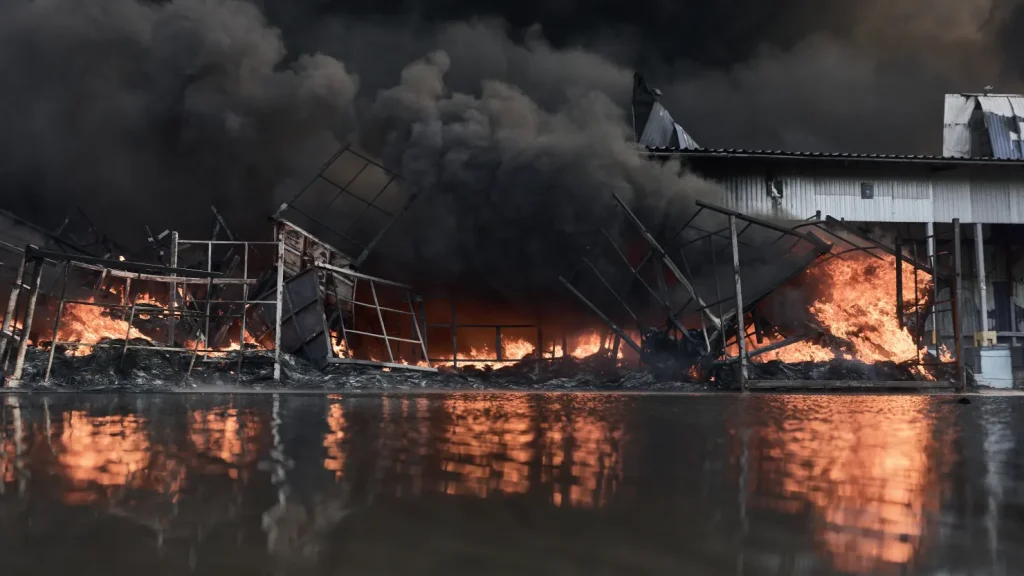
According to a doctor who was present during the strike, three bombs hit different sections of the facility, including patient housing and administrative areas, causing massive destruction and fire.
The UN says the scale and impact of the attack have deeply shocked even a country long accustomed to decades of conflict, raising urgent questions about civilian protection and accountability in the ongoing tensions between Pakistan and Afghanistan.
As investigations continue, grieving families are left with uncertainty, searching for closure that remains out of reach.