
The United States is exploring the possibility of a second round of in-person negotiations with Iran, even as tensions escalate following the imposition of a naval blockade on Iranian ports.
According to officials familiar with the matter, discussions are underway within the US administration regarding potential dates and locations for renewed talks before the current ceasefire deadline on April 21. However, it remains uncertain whether Iran will agree to return to the negotiating table.
The move comes after marathon negotiations in Islamabad failed to produce a breakthrough. Despite the setback, US President Donald Trump has indicated he remains open to further discussions if Tehran shows willingness to meet Washington’s demands.
Sources suggest that preliminary planning is ongoing, with possible venues including Geneva and Islamabad once again. Regional mediators such as Turkey, Egypt, Oman, and Pakistan continue to play a role in facilitating dialogue between the two sides.
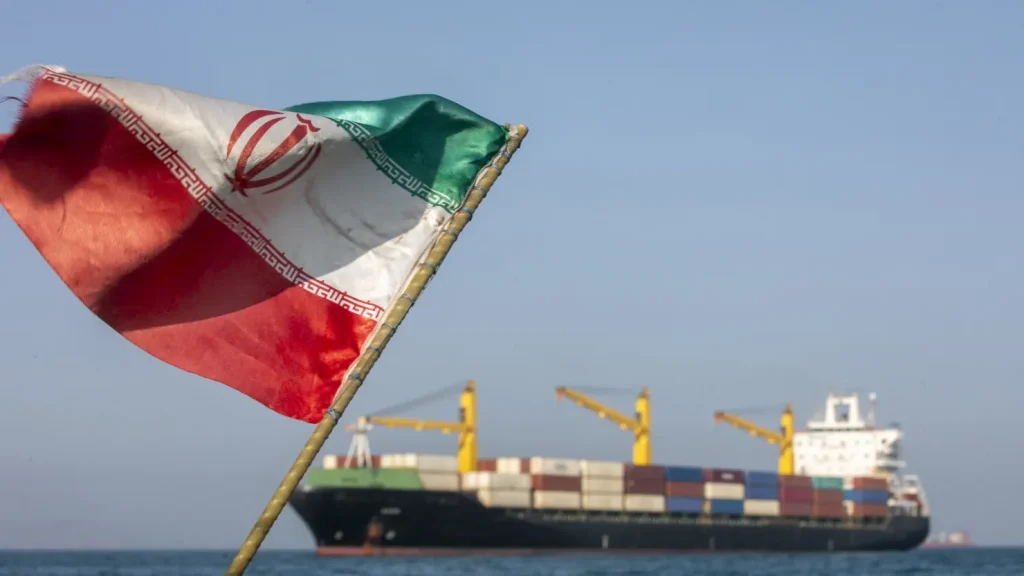
Meanwhile, the US has increased pressure on Iran by initiating a blockade of its ports, a move seen as a strategy to force Tehran back into negotiations under more favorable terms for Washington. With the Strait of Hormuz still largely closed, Iran believes it holds strategic leverage, particularly over global energy routes.
Despite differing perspectives, both sides appear to recognize the importance of diplomacy. US officials have expressed hope that a peaceful resolution can still be achieved, and there is even a possibility that the ceasefire deadline could be extended to allow more time for negotiations.
However, major sticking points remain unresolved. The United States continues to insist on strict conditions, including Iran ending uranium enrichment, dismantling nuclear facilities, and surrendering its stockpile of enriched uranium. These demands have long been rejected by Tehran, making progress difficult.
While both nations have shown interest in avoiding further military escalation, the coming days will be critical in determining whether diplomacy can succeed or tensions will intensify further.