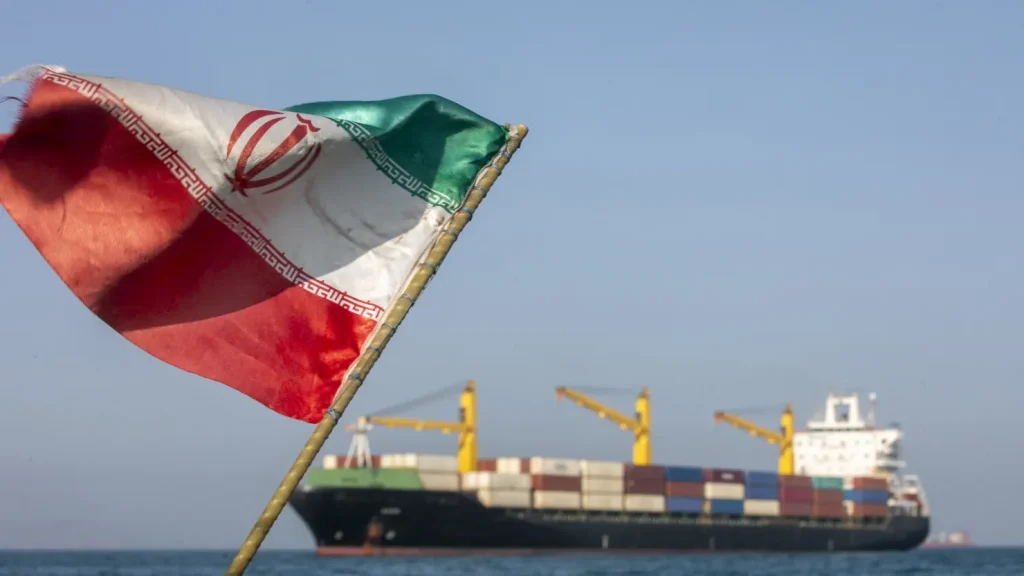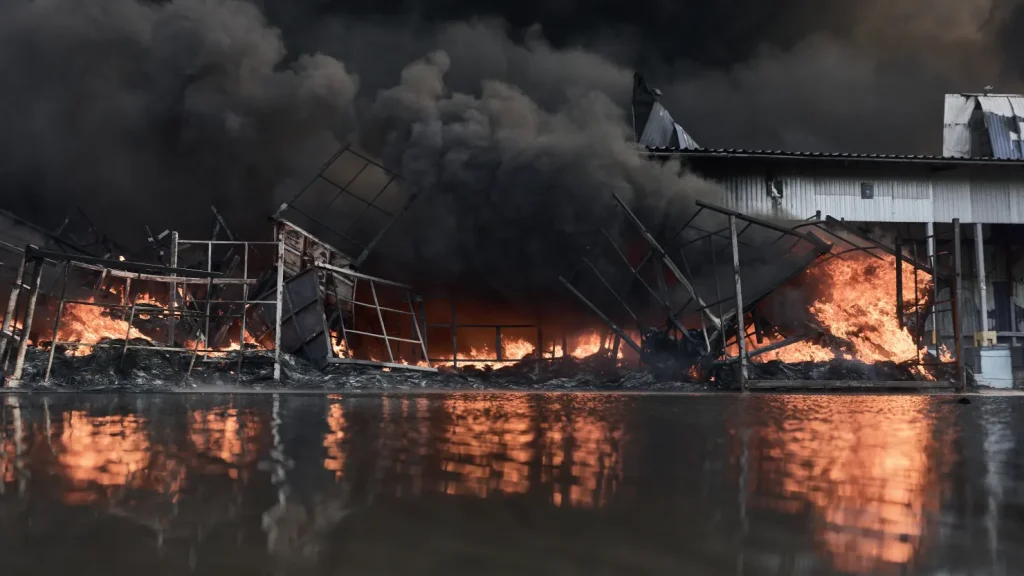
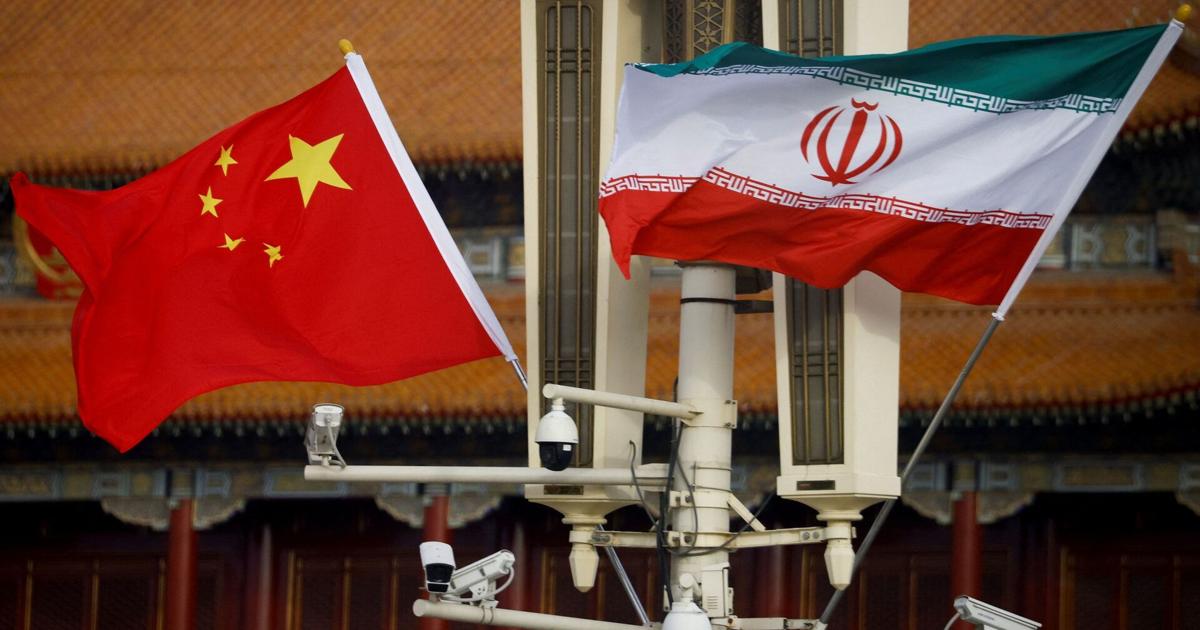

Fresh concerns have emerged over the fragile ceasefire between the United States and Iran, as new intelligence suggests that China may be preparing to supply advanced weapons systems to Tehran.
According to multiple sources familiar with US intelligence assessments, Beijing is allegedly planning to deliver air defense systems — specifically shoulder-fired missiles — within the coming weeks. These systems, known as MANPADS, are capable of targeting low-flying aircraft and could significantly impact military dynamics if the ceasefire collapses.
The development comes at a sensitive time, as China has publicly positioned itself as a mediator that helped facilitate the recent truce between Washington and Tehran. The reported move, if confirmed, could complicate diplomatic efforts and raise questions about Beijing’s role in the conflict.
US President Donald Trump warned that China would face serious consequences if it proceeds with such transfers. Speaking to reporters, he stated that Beijing would have “big problems” if it supplied weapons to Iran, although he did not confirm whether the issue had been directly raised with Chinese President Xi Jinping.
Chinese officials have strongly denied the allegations. A spokesperson for the Chinese Embassy in Washington dismissed the claims as “untrue” and urged the United States to avoid making “baseless accusations” that could escalate tensions further.
Intelligence sources also suggest that China may attempt to route these shipments through third countries to conceal their origin. Analysts believe this could be part of a broader strategy to maintain plausible deniability while still supporting Iran.
The potential transfer of air defense systems marks a possible escalation in China’s involvement in the conflict. While Chinese companies have previously been accused of supplying dual-use technology to Iran, a direct government-backed weapons shipment would represent a significant shift in policy.
Experts note that such systems are considered defensive in nature, which Beijing could use to justify its actions. However, their deployment could still pose a serious threat to US and allied aircraft operating in the region.
The situation highlights the complex geopolitical balancing act China faces. On one hand, it seeks to maintain strong ties with Iran — a key supplier of oil — while on the other, it aims to avoid direct confrontation with the United States and its allies.
As diplomatic efforts continue, including upcoming talks between Trump and Xi Jinping, the reported intelligence adds another layer of uncertainty to an already volatile situation.
Observers warn that any confirmed arms transfer could undermine the ceasefire, escalate military tensions, and further complicate efforts to achieve lasting peace in the region.