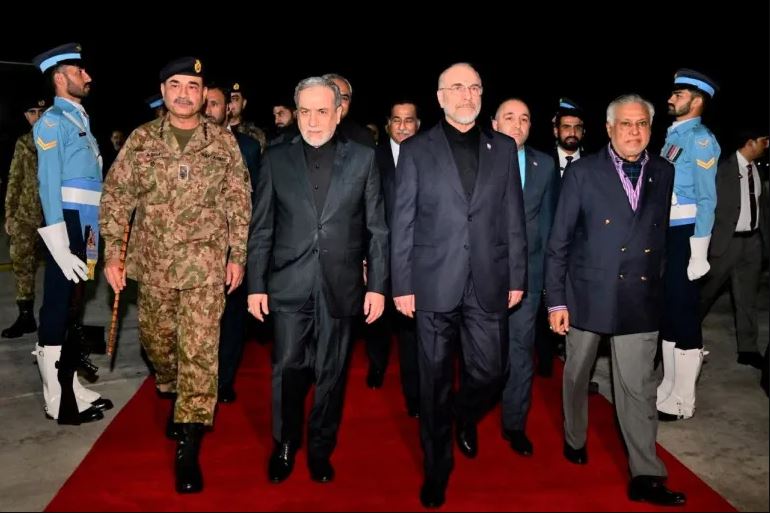

The US–Iran conflict has entered its 43rd day, with senior officials from both sides arriving in Islamabad, Pakistan, for high-level ceasefire negotiations as violence continues across multiple fronts in the Middle East.
The Iranian delegation is led by parliamentary speaker Mohammad Bagher Ghalibaf and Foreign Minister Abbas Araghchi, while the United States is represented by Vice President JD Vance, alongside special envoy Steve Witkoff and Jared Kushner.
Ahead of the talks, Vice President Vance said Washington is prepared to “extend an open hand” if Iran engages in good faith, signaling a cautious diplomatic opening after weeks of escalating tensions.
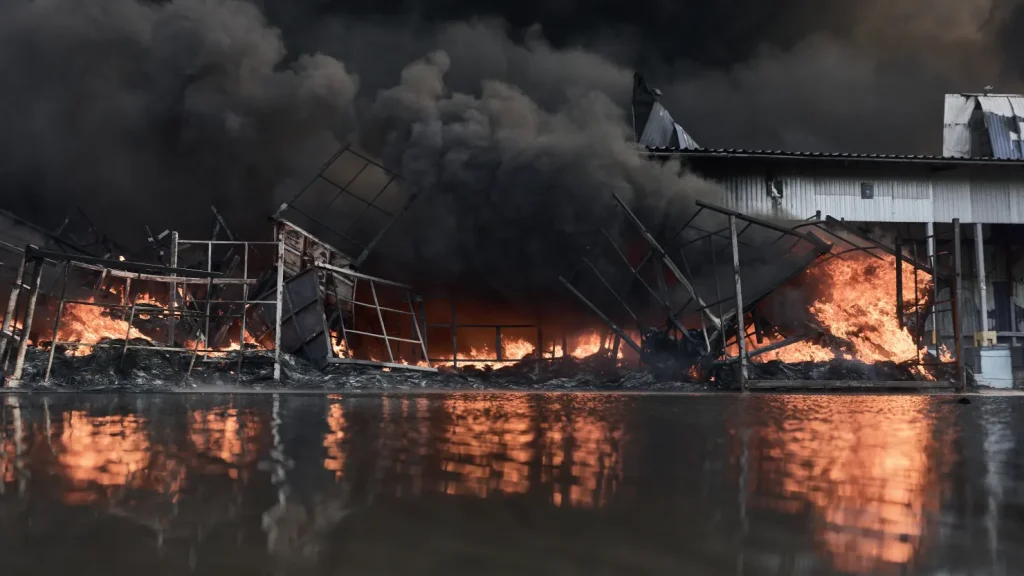
Despite the negotiations, the situation on the ground remains highly unstable, particularly in Lebanon, where the Ministry of Public Health reported at least 357 deaths in Israeli strikes on Wednesday alone, with the toll expected to rise as recovery efforts continue.
Iran’s delegation has arrived with a firm stance, insisting that any agreement must recognize Iran’s rights. Parliamentary speaker Ghalibaf said Tehran is attending the talks in good faith but continues to distrust Washington. Foreign Minister Araghchi echoed this sentiment, stating that Iran enters negotiations in “complete distrust” of the US.
The Iranian delegation has also emphasized political symbolism, naming its team “Minab 168” in reference to victims of earlier strikes, underscoring the emotional and political weight of the discussions.
On the US side, officials have urged Tehran not to “play” Washington during negotiations, while President Donald Trump warned that Iran “has no cards” and suggested that US military readiness remains on the table if talks fail. Trump also stated that US warships are being rearmed amid rising tensions.
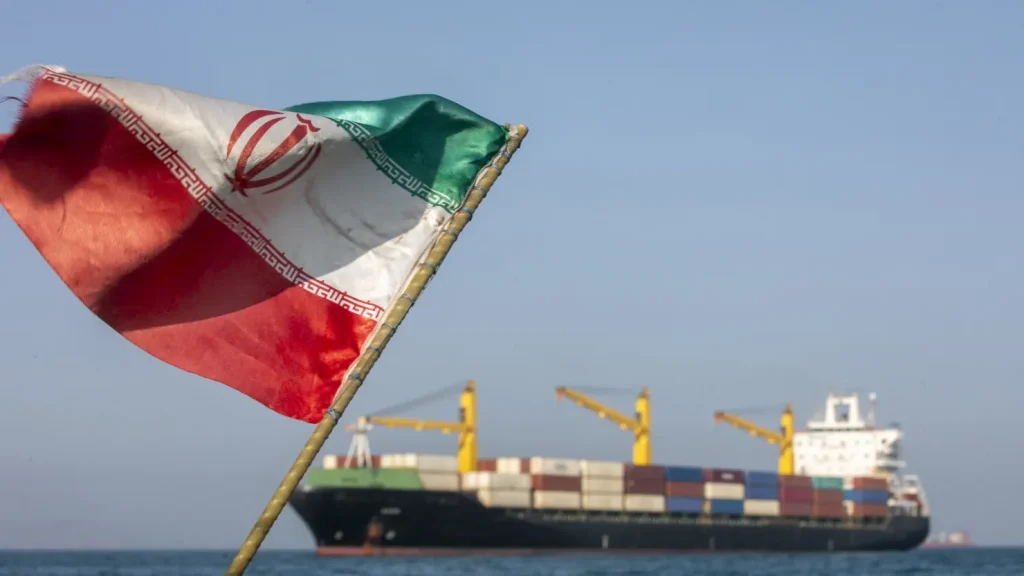
A central point of dispute remains control over the Strait of Hormuz, a critical global energy route. Trump has insisted it must be reopened fully, while Iran has previously signaled it seeks leverage over access and transit conditions in the region.
Diplomatic pressure is also mounting from multiple fronts. Reports indicate the US has urged Israel to pause its operations in Lebanon to avoid undermining ceasefire negotiations, even as cross-border fighting continues between Israel and Hezbollah.
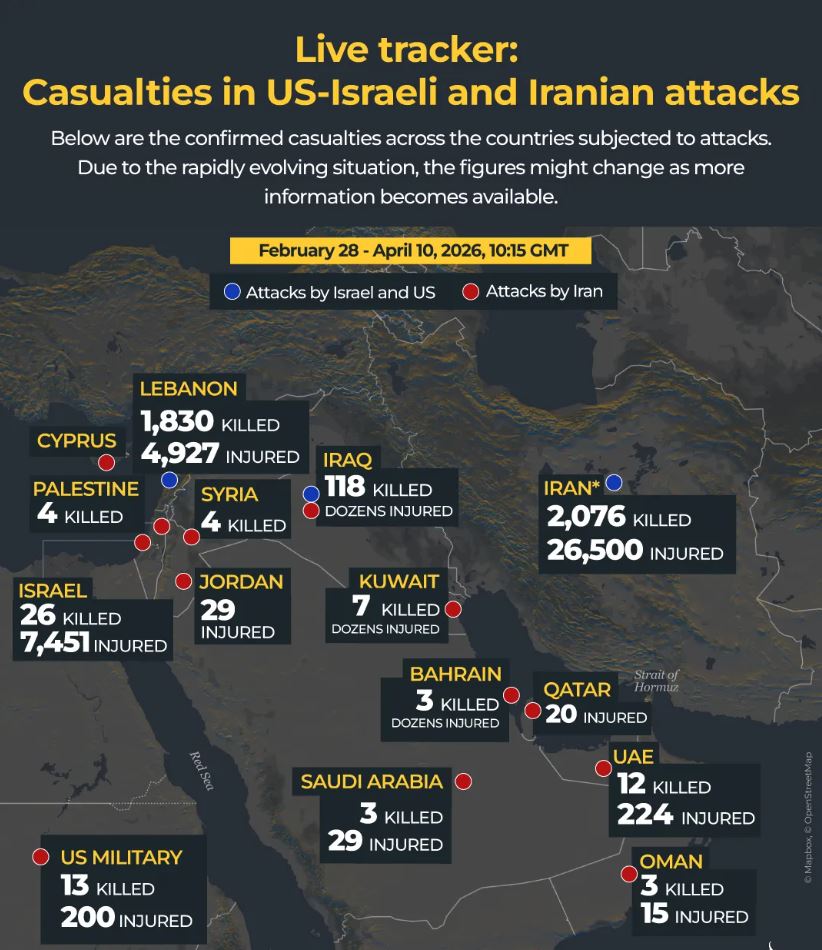
In Lebanon, the humanitarian situation is deteriorating rapidly, with widespread displacement and a growing food crisis reported by international agencies. The UN says over 1.2 million people have been forced from their homes, while shelters remain overcrowded and supply chains severely disrupted.
Meanwhile, violence continues in Gaza and Jerusalem, where an Israeli airstrike killed at least six people in central Gaza, and over 100,000 worshippers gathered at Al-Aqsa Mosque for Friday prayers following a temporary reopening linked to the ceasefire period.
Analysts say the negotiations in Islamabad represent one of the most significant diplomatic efforts since the conflict began, but deep mistrust, ongoing military operations, and competing regional interests continue to threaten any potential breakthrough.