
The next round of negotiations between the United States and Iran aimed at implementing a recently signed peace agreement has been postponed, according to Swiss authorities.
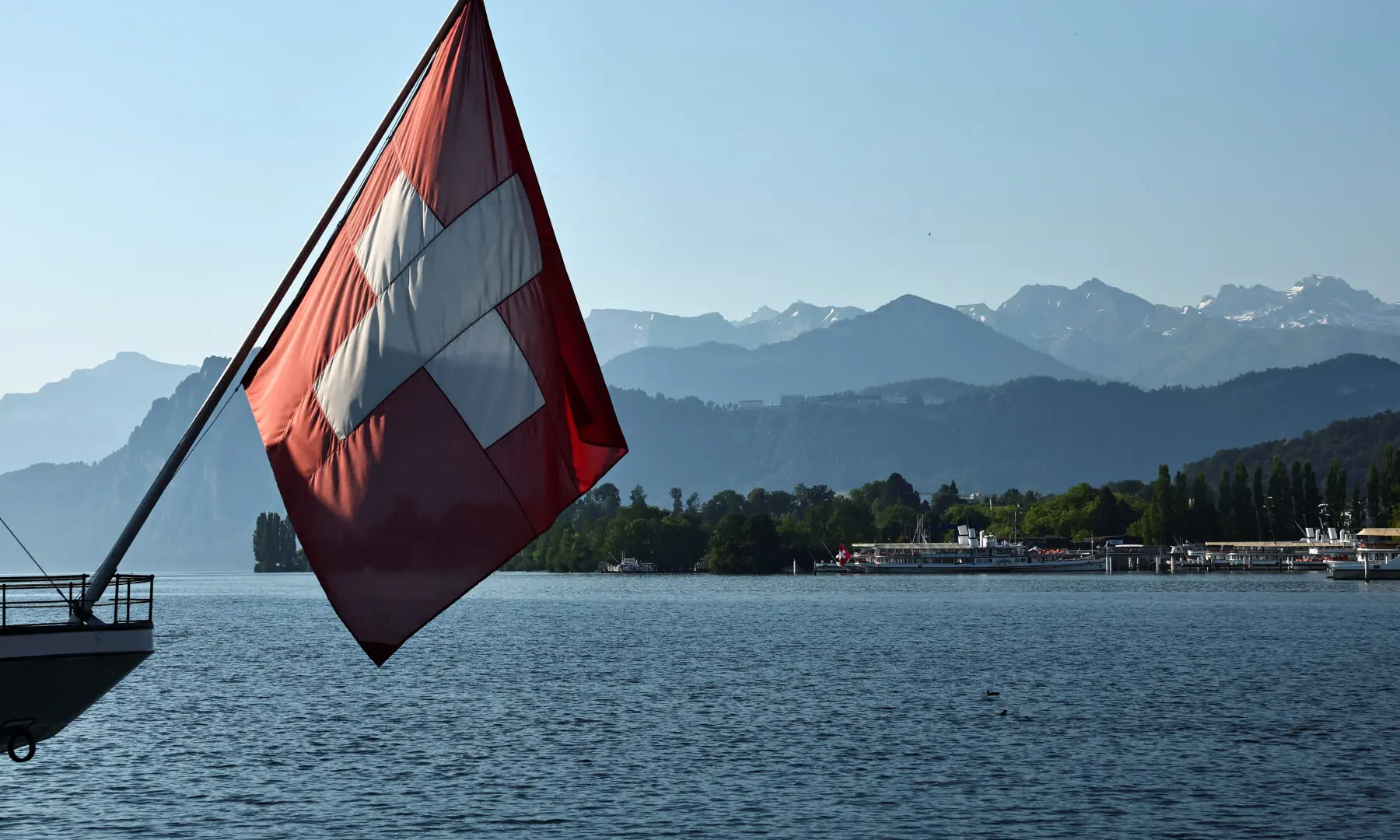
The talks were expected to take place in the Swiss resort town of Burgenstock following the signing of the Islamabad Memorandum of Understanding (MoU), a framework agreement designed to end months of conflict between Washington and Tehran.
Switzerland’s Foreign Ministry confirmed that the planned meeting involving the US, Iran, Pakistan, and Qatar would not take place as scheduled on Friday. No new date has been announced, although Swiss officials said preparations for future negotiations are continuing.
A White House spokesperson also confirmed that US Vice President JD Vance would not travel to Geneva as previously expected. However, Washington said it remains committed to launching technical discussions with Iran as soon as possible.
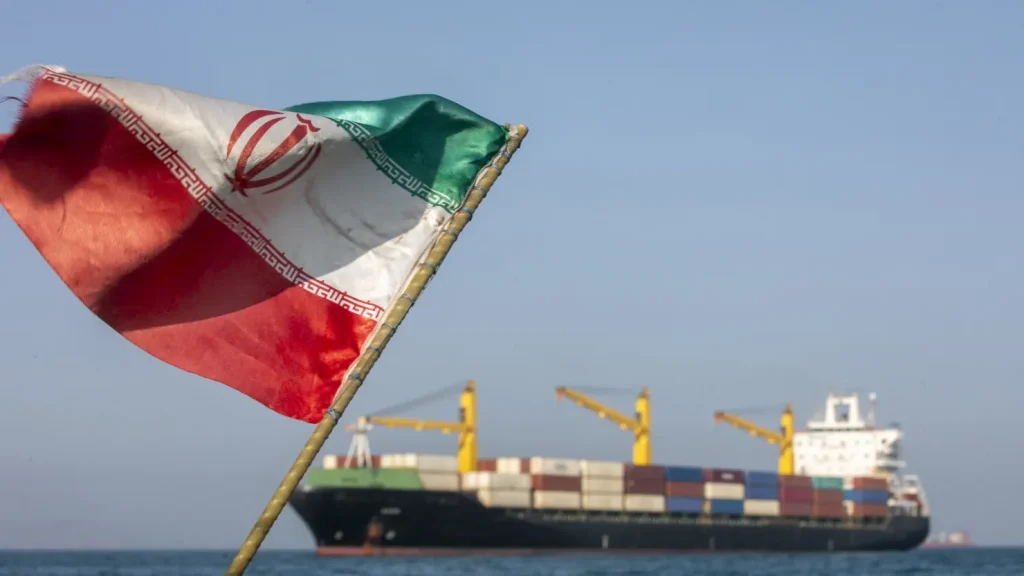
The agreement, reached after intensive diplomatic efforts, includes the reopening of the Strait of Hormuz, a commitment to continue negotiations for 60 days, and discussions on Iran’s nuclear programme and regional security issues.
Iranian officials have indicated they want to see practical implementation of US commitments before moving forward with detailed negotiations. Tehran has also stressed that future talks will not involve accepting excessive demands from Washington.
Meanwhile, tensions remain high in the region. Israel has continued military operations in Lebanon despite the broader diplomatic breakthrough, raising concerns about the durability of the peace process. Fresh Israeli strikes reportedly killed at least 15 people in southern Lebanon on Friday.
The conflict, which began in late February, has caused thousands of deaths, disrupted global energy markets, and significantly impacted oil prices. While the reopening of the Strait of Hormuz has improved market confidence, analysts warn that a full return to normal shipping and energy flows could take weeks.
Diplomatic sources say the postponement does not signal a collapse of negotiations but highlights the complexity of implementing a comprehensive peace agreement between the US and Iran.