
Washington, D.C. – President Donald Trump has issued an unprecedented ultimatum to Iran, warning that the US would destroy “every bridge” and power station across the country in just four hours if a deal isn’t reached by Tuesday evening, EST. Trump escalated the rhetoric further on Tuesday, claiming that “a whole civilization will die” if Iran fails to comply.
While the threats mark an extraordinary level of aggression from a sitting US president, military analysts and former defense officials caution that such an operation is logistically implausible. Iran is roughly one-third the size of the continental United States, and experts say the US cannot simultaneously identify and destroy thousands of targets across the country within hours.
“To meet this threat literally would be an absolute herculean task. And would it have the desired strategic effect?” said a former senior US defense official speaking anonymously. “Trump is almost struggling to come up with a new level of threat that will move the strategic needle in favor of the US.”
Experts suggest that large-scale strikes against Iran’s power infrastructure, particularly in the coastal provinces of Bushehr, Khuzestan, and Hormozgan, would be more feasible and could significantly disrupt the regime’s access to oil revenue and the Strait of Hormuz. These provinces host the majority of Iran’s power plants and refineries, which are critical to the country’s energy exports.
Vice President JD Vance confirmed that US airstrikes had recently targeted military installations on Kharg Island, a key oil-exporting hub in the Persian Gulf, but emphasized that the strikes were not a shift in strategy. Vance warned that the US retains additional tools to exert economic and military pressure if Iran does not change course.
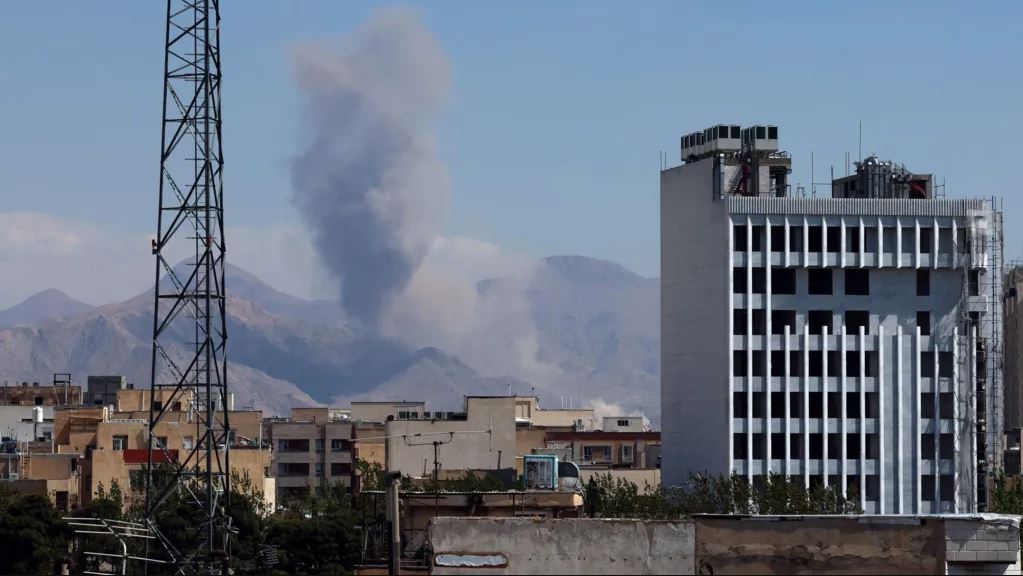
The White House dismissed speculation that the US would consider a nuclear strike. Nonetheless, Iran’s civilian infrastructure has already experienced attacks; state media reported US-Israeli airstrikes on a bridge in Qom, and last week Trump announced the bombing of Iran’s largest bridge.
Despite these threats, analysts remain skeptical that further attacks would compel the Iranian regime to negotiate. Iranians have already been contending with widespread power outages even before the conflict began, limiting the impact of additional blackouts as a pressure tactic.
US and Iranian officials reportedly engaged in direct talks on Tuesday, but substantial gaps remain over the future of Iran’s oil sector, nuclear program, and control of the Strait of Hormuz. Trump’s negotiations involve special envoys Steve Witkoff and Jared Kushner, with Vance positioned to intervene if a deal nears completion.
Jason Campbell, a former Department of Defense official and senior fellow at the Middle East Institute, noted that Iran’s leadership sees the conflict as existential, making it unlikely that new US attacks alone would force compliance.
“Nearly six weeks into the war, the Iranian regime has shown a high pain threshold and won’t easily cave to US demands,” Campbell said.
The looming deadline and Trump’s rhetoric have sent global markets and diplomatic circles into high alert, with the world closely monitoring whether the threat will translate into tangible military action or remain a show of force.