

US Treasury yields remained largely unchanged on Friday as investors absorbed a week of key economic data releases and central bank policy decisions. The stability in yields reflects a cautious market sentiment as uncertainty around inflation, economic growth, and geopolitical tensions continues.
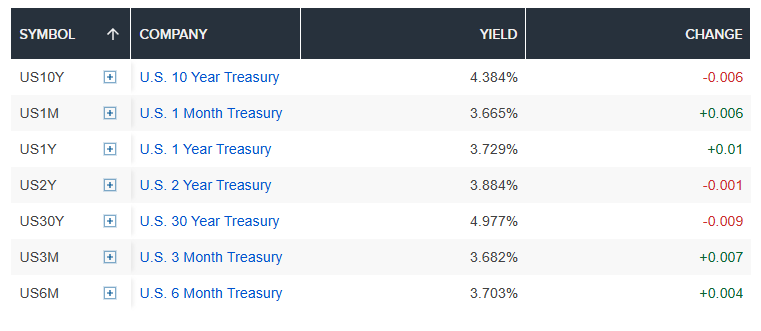
The benchmark 10-year Treasury yield held steady at 4.390%, while the 2-year yield — closely tied to expectations around interest rate policy by the Federal Reserve — remained flat at 3.890%. Meanwhile, the 30-year bond yield was unchanged at 4.983%. Bond yields and prices typically move in opposite directions, and even small shifts can signal broader changes in investor expectations.
Recent economic data provided a mixed picture of the US economy. According to the United States Department of Commerce, the country’s gross domestic product (GDP) grew at an annualized rate of 2% in the first quarter. While this marked an improvement from the previous quarter’s 0.5% growth, it fell short of market expectations of 2.2%.
Analysts attribute the slower-than-expected growth partly to global disruptions, particularly the ongoing tensions in the Middle East, which have impacted supply chains and energy markets. Rising oil prices and uncertainty around trade routes have added pressure on economic activity.
Inflation data also remains a key concern. The personal consumption expenditures (PCE) price index — the Federal Reserve’s preferred inflation gauge — rose by 0.7% in March, bringing the annual rate to 3.5%, in line with expectations. Core PCE, which excludes volatile food and energy prices, increased by 0.3% month-on-month and stood at 3.2% year-on-year, indicating that underlying inflation pressures persist.
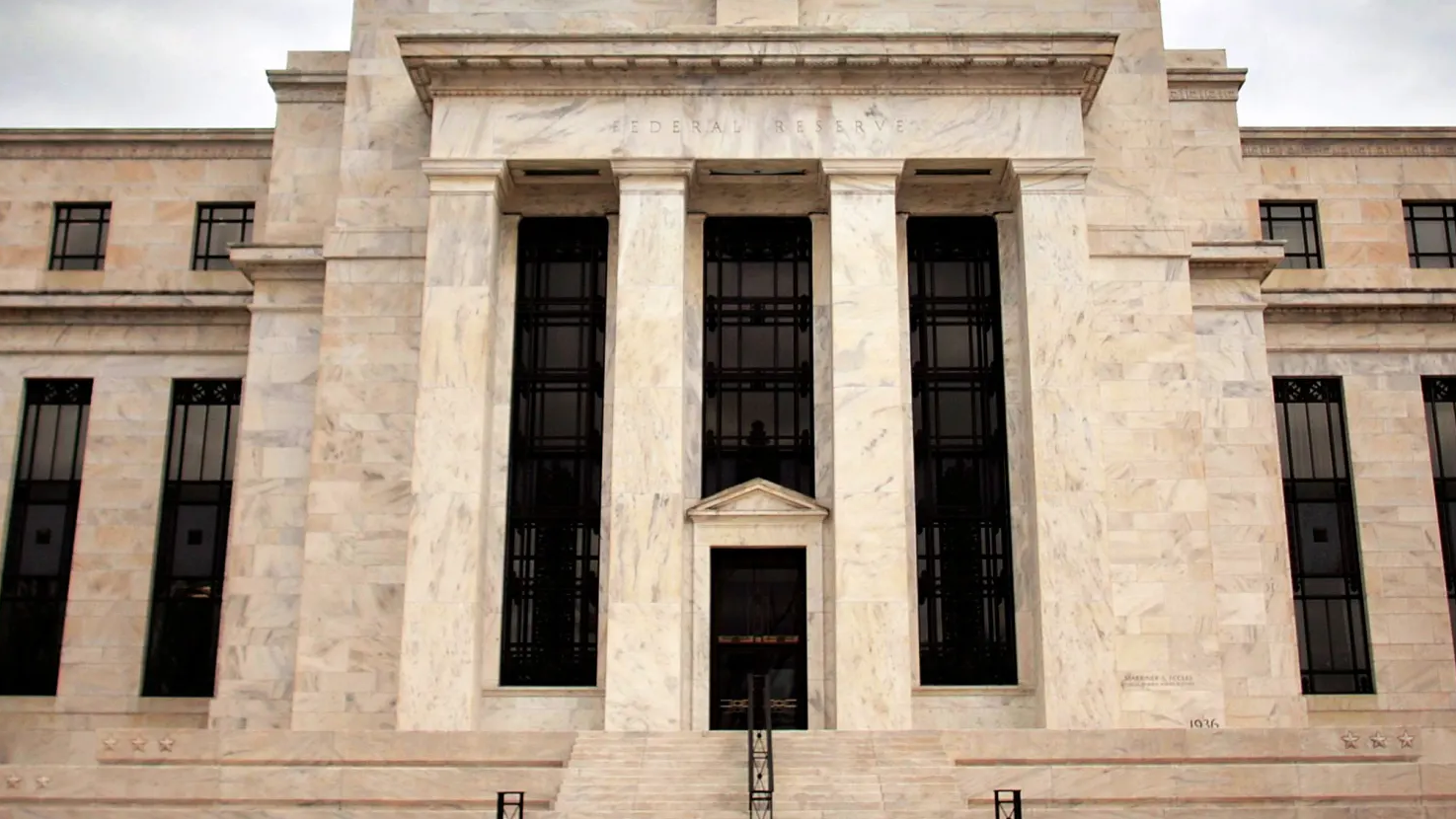
Despite these inflation concerns, the Federal Reserve decided to keep its benchmark interest rate unchanged in the range of 3.50% to 3.75%. The decision reflects a balancing act between controlling inflation and supporting economic growth, especially as uncertainties continue to cloud the outlook.
Geopolitical developments are also influencing market sentiment. US President Donald Trump faces a legal deadline under the War Powers Resolution related to military involvement in the Iran conflict. However, the administration argues that a recent ceasefire has effectively ended active hostilities, potentially removing the need for congressional authorization.
Globally, central banks are also monitoring inflation risks closely. Andrew Bailey, governor of the Bank of England, warned that persistent energy price increases could embed inflation more deeply into the economy. He indicated that prolonged price pressures may require policy action to keep inflation under control.
Overall, financial markets remain in a wait-and-see mode, with investors closely watching incoming economic data and geopolitical developments. The steady Treasury yields suggest that while concerns persist, markets are not yet reacting with significant volatility, reflecting a period of cautious stability in uncertain times.