
‘Fireball Season’ Brings Surge in Bright Meteors, Scientists Observe Unusual Spike
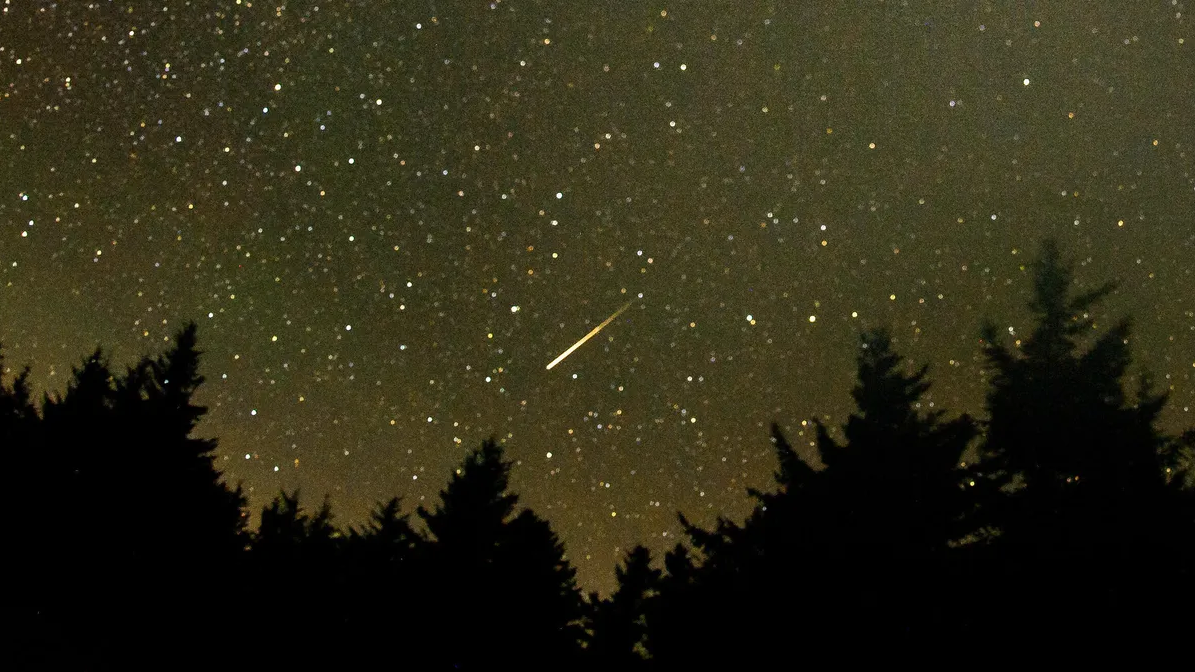
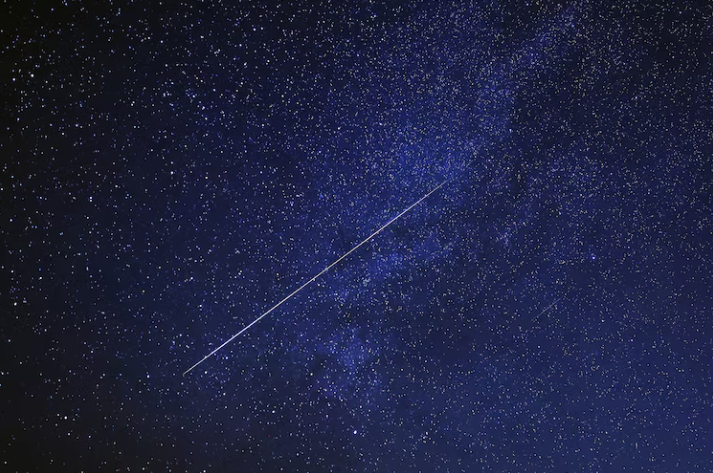
Skywatchers around the world are witnessing a dramatic increase in bright meteors, known as “fireballs,” as Earth moves through its annual peak meteor activity period.
According to NASA, “fireball season” typically runs from February through April, when the number of visible meteors can increase by 10% to 30%. These bright streaks of light occur when space debris enters Earth’s atmosphere at high speed and burns up.
However, 2026 has brought an unusual twist. Data from the American Meteor Society (AMS) shows a significant spike in large meteor events, particularly in March — the highest concentration seen in at least five years.
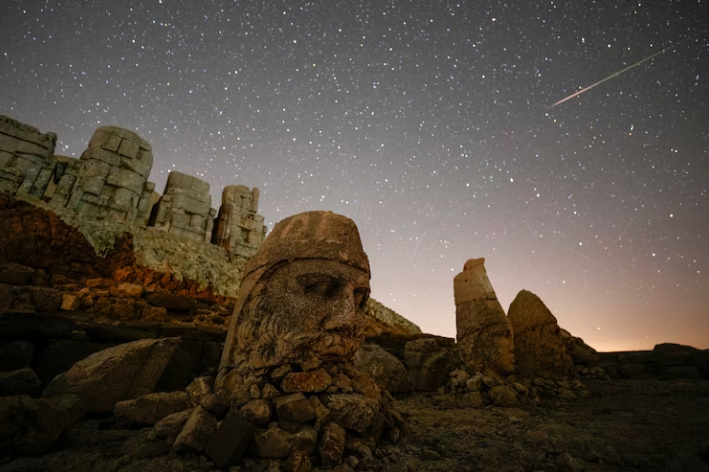
Experts say not only are more meteors being reported, but many are also larger and brighter than usual. Some have even produced sonic booms — loud explosive sounds caused when objects travel faster than the speed of sound through the atmosphere.
One major event on March 21 involved a meteor weighing nearly one ton, which streaked across the sky before breaking apart and creating a powerful boom. Similar sightings were reported across multiple U.S. states and parts of Europe.
Scientists believe many of these meteors originate from known debris fields in space, including the “Anthelion” sporadic stream — a region Earth regularly passes through.
While the exact cause of this year’s spike remains unclear, experts suggest several possibilities, including Earth encountering larger debris fragments or improved detection due to widespread use of smartphones, dashcams, and security cameras.
Despite the surge, experts emphasize that such events are natural and not a cause for concern. However, the increased frequency of large fireballs — some capable of producing meteorites that reach the ground — has drawn significant scientific interest.
“It’s been very consistent for years, and suddenly we’re seeing a surge,” experts noted, calling the recent activity an “unprecedented concentration of major fireballs.”
As “fireball season” continues, scientists say it remains uncertain how long the elevated activity will last, leaving both researchers and skywatchers watching closely.