
Pakistan LNG Limited (PLL) has successfully secured three spot LNG cargo bids after a gap of 28 months, as the country faces rising electricity demand and supply constraints ahead of the summer season.
According to official details, PLL received four bids on Friday, of which three were declared the lowest, with prices ranging between $17.997 and $18.88 per million British thermal units (mmBtu). The cargoes are scheduled for delivery between April 27 and May 8.
For the first delivery window (April 27–30), TotalEnergies submitted the lowest bid at $18.88 per mmBtu. Vitol Bahrain offered $18.54 per mmBtu for the May 1–7 window, while OQ Trading secured the lowest bid at $17.997 per mmBtu for delivery between May 8–14.
The urgent tender was issued amid rising temperatures and a widening electricity shortfall of over 4,500MW during peak hours, leading to extended load-shedding across the country.
Officials said the decision to procure LNG from the spot market was driven by immediate energy needs, especially as power demand continues to increase with the onset of summer.
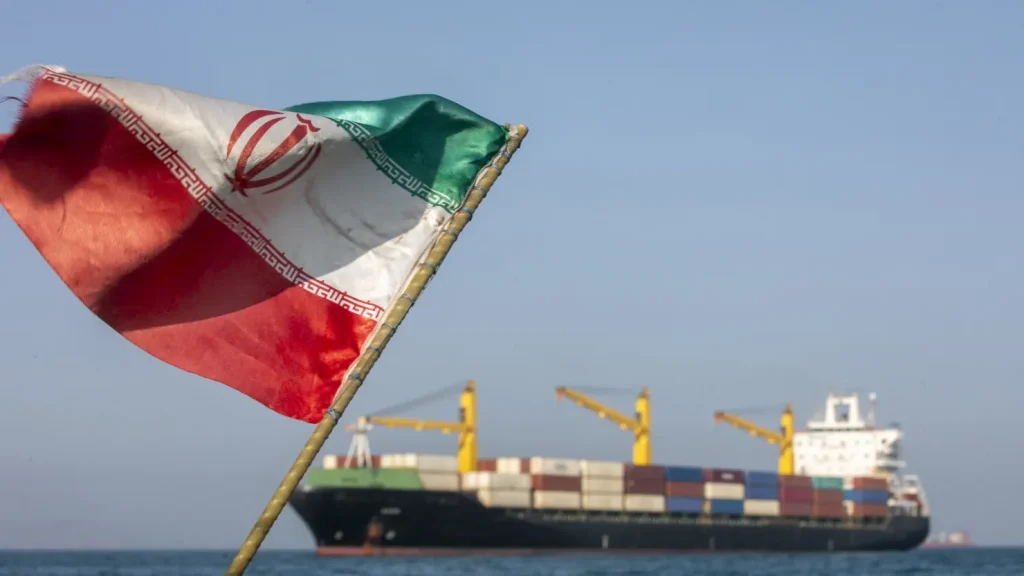
The situation has been further complicated by disruptions in global LNG supply routes, including security-related issues in the Strait of Hormuz, which previously impacted Qatar’s LNG shipments to Pakistan.
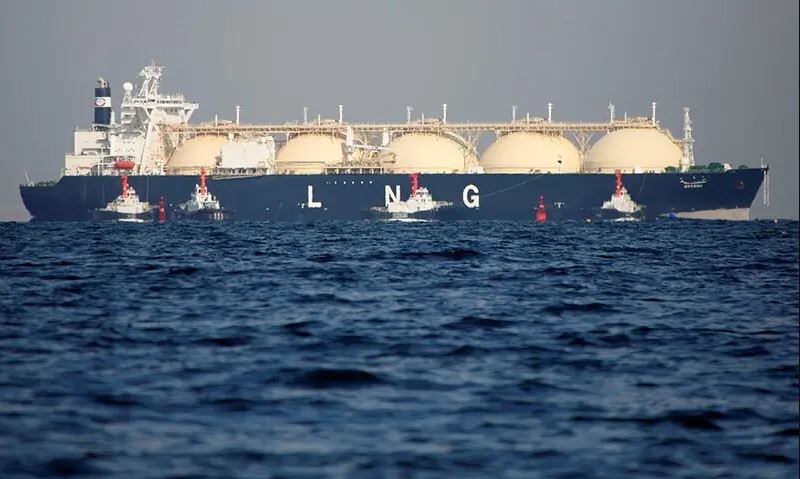
Each LNG cargo is expected to deliver around 140,000 cubic meters of gas, equivalent to approximately 100 million cubic feet per day (mmcfd), which will be used primarily for power generation.
Energy officials warned that without additional LNG supplies, the country may need to rely on expensive alternative fuels such as high-speed diesel (HSD) and furnace oil, significantly increasing electricity production costs and consumer tariffs.
Power Division authorities have already warned that increased dependence on oil-based generation could push electricity costs above Rs80 per unit in extreme scenarios.
To manage the crisis, the Power Division has shared detailed demand forecasts with the Petroleum Division, emphasizing the need for coordinated allocation of LNG supplies to ensure grid stability and avoid prolonged load management.
Officials also noted that LNG-based power plants in Punjab play a critical role in maintaining system stability, particularly during peak summer demand, which is expected to exceed 28,000MW in the coming months.